Go Deeper, Not Louder:Kings Canyon
The loudest voice on your team is almost never the deepest one.
And the people you trust the most? You didn't learn to trust them in a meeting. You learned to trust them somewhere quieter.
Somewhere below the surface.
The old model told you presence meant volume.
Show up. Speak up. Take up space.
Be the loudest voice in the room so people know you're serious.
Build accountability by naming things in front of everyone.
Signal leadership with energy, not silence.
Somewhere along the way, loud became a stand-in for real.
And the team learned to perform depth instead of live it.
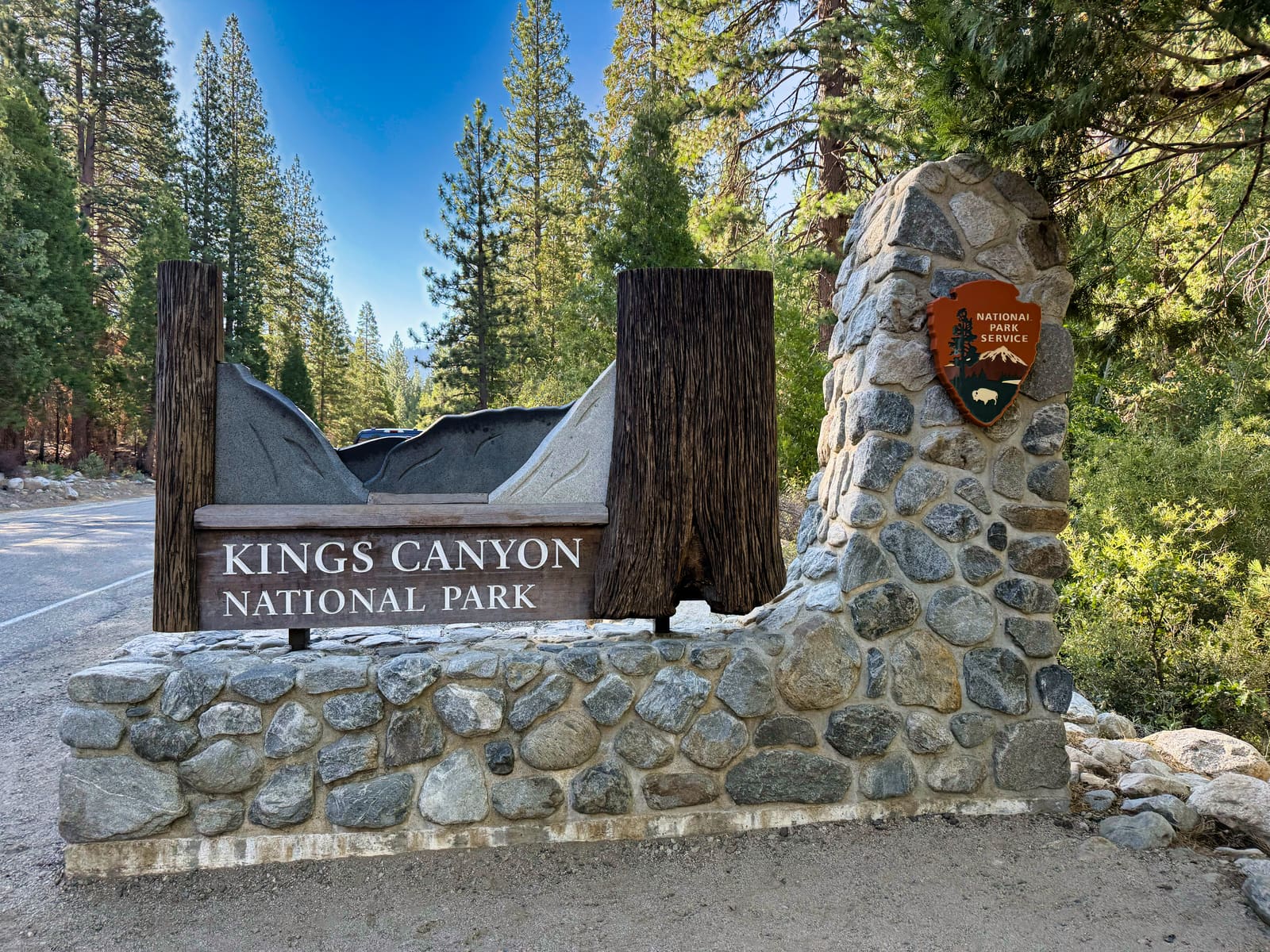
That's where Kings Canyon comes in.
The Canyon That Wasn't Trying to Be Famous
Kings Canyon is absolutely beautiful.
It sits right next to Sequoia. Same corner of California.
Most people drive right past it.
Which is wild.
Because Kings Canyon is, in places, deeper than the Grand Canyon.
Deeper.
You just don't hear about it.
No rim walk full of tour buses. No postcards in every gas station.
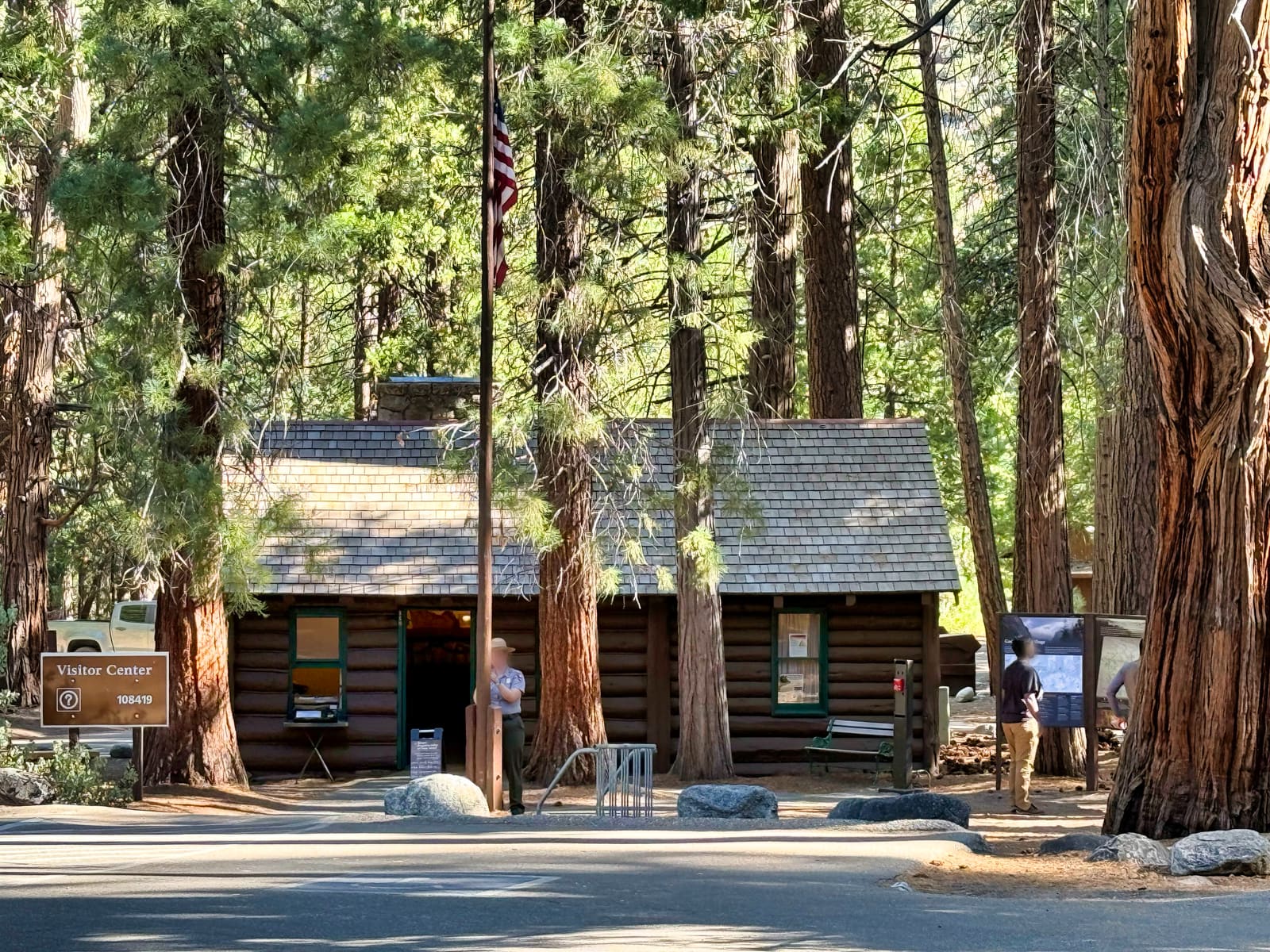
I went to see the sequoias first. Then I drove down to the canyon floor.
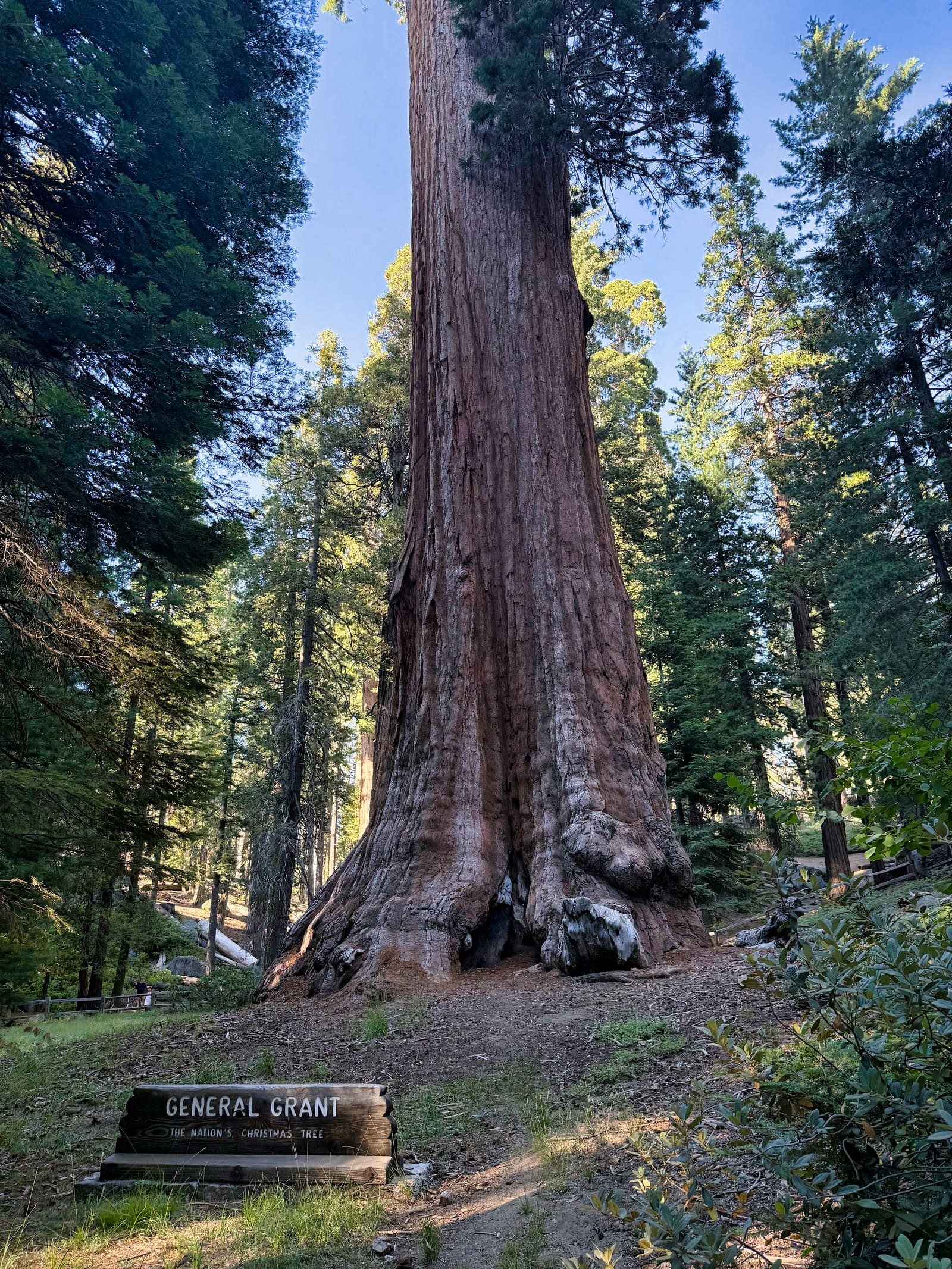
It's about two hours from the big trees to the bottom.
And you would never guess it's that deep.
The Grand Canyon is pronounced. You can't miss it.
Kings Canyon doesn't work that way. You go into it slowly. The road bends and drops, bends and drops, and the walls rise around you so gradually you barely notice how far down you've come.
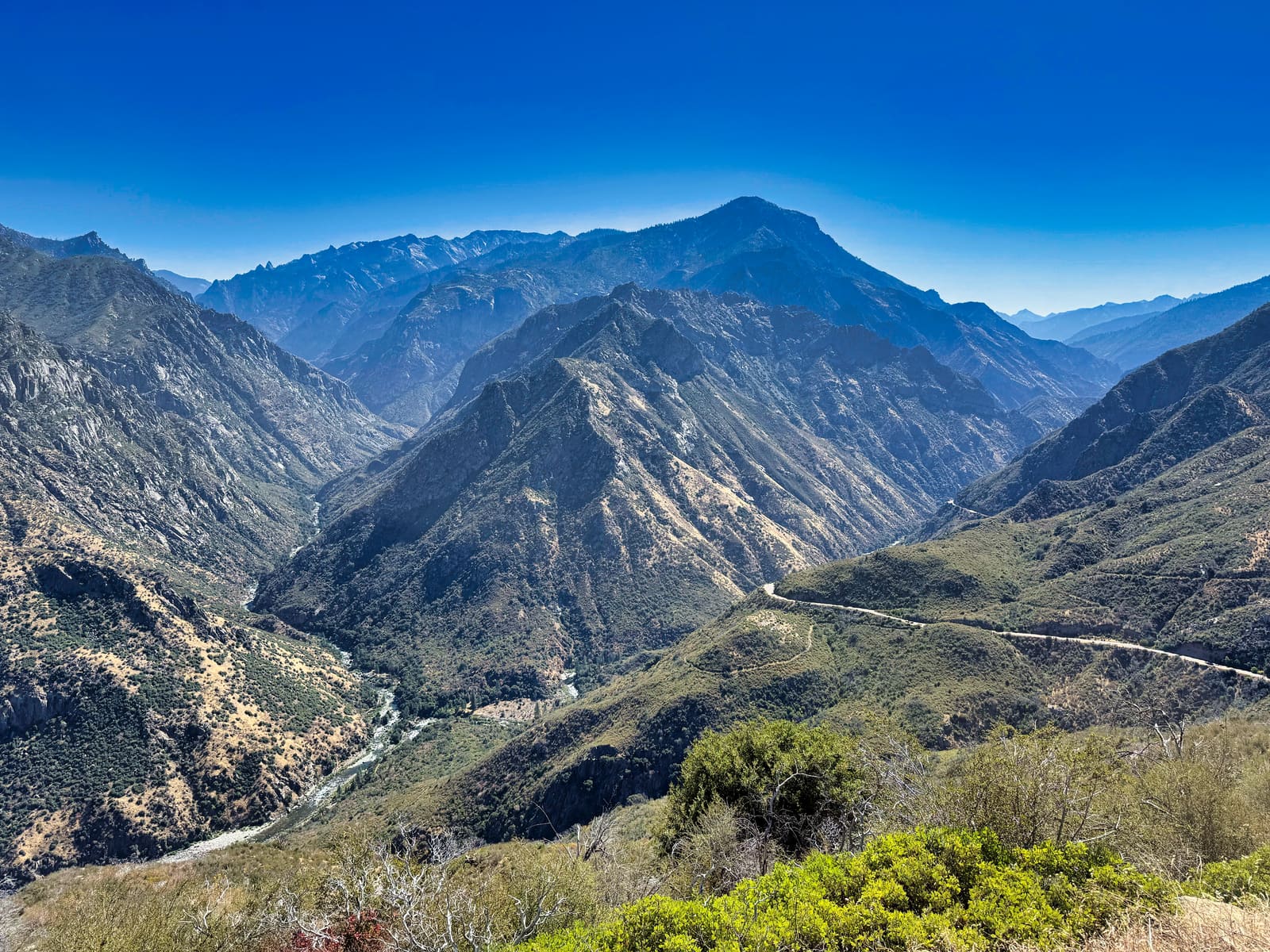
Then you're at the bottom.
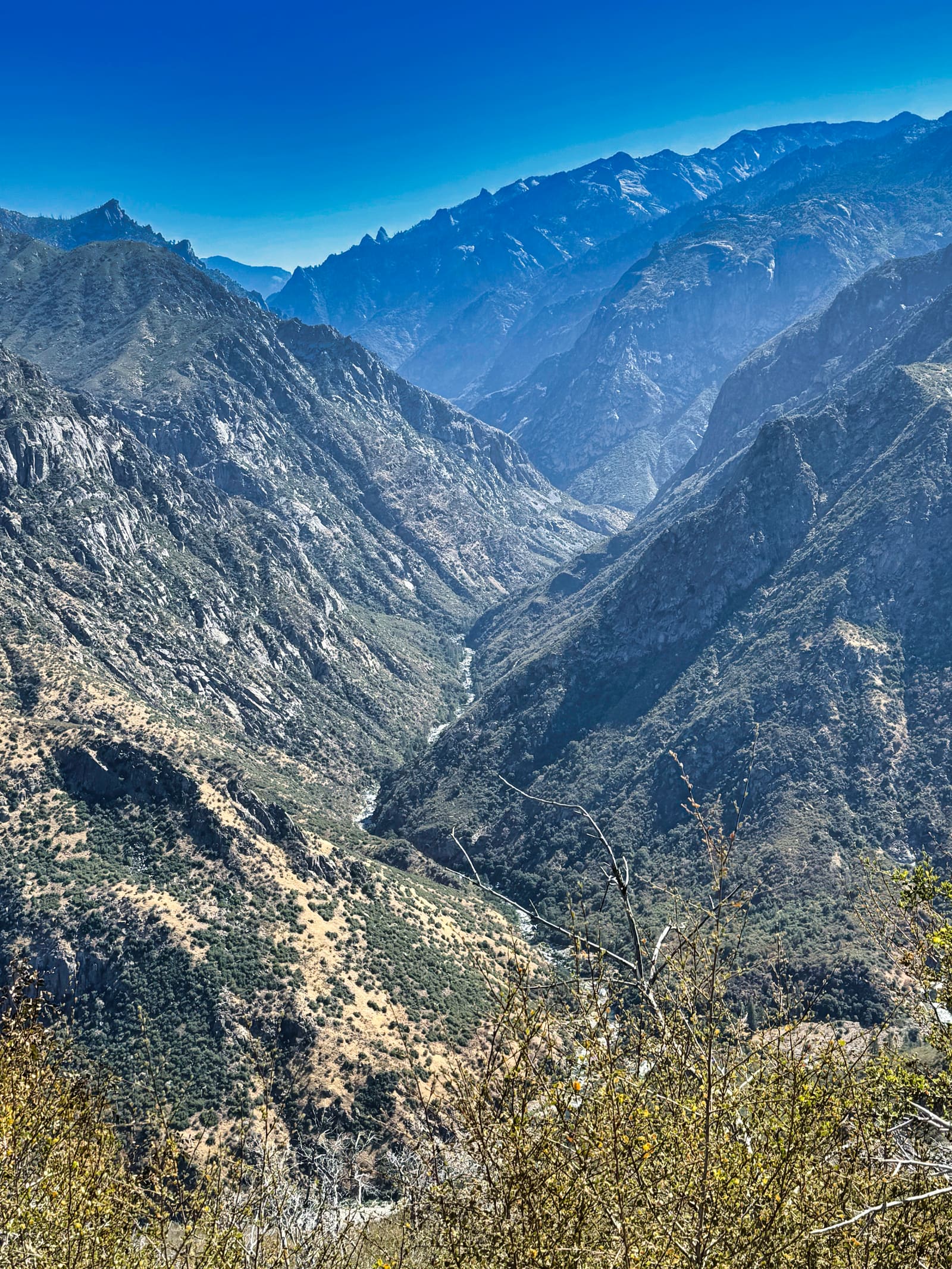
Granite walls standing over you. The river running right beside the road.
And you realize you've been going deeper the whole time.
It never announced itself.
It just sat there, quietly being one of the deepest canyons on the continent.
No fanfare.
No billboard.
No need to prove anything.
It was breathtaking. I'd love to go back and spend more time down there.
The leaders I trust the most work the same way.
None of them are the loudest person in any room they walk into.
None of them are performing.
They go deeper than the rest of us and let that do the work.
Kings Canyon is deeper than the Grand Canyon in places, and almost no one knows it. Depth doesn't need an audience. It needs intention.
You've watched the loudest person on the team take up the whole room and leave everyone else quieter.
You've been in the meeting where someone performed accountability by calling people out in front of a group, and watched trust get a little thinner in the room afterward.
You've had the real conversation that changed a relationship on your team.
And it wasn't in the meeting. It was after. In the hallway. On the walk to the parking lot. On a phone call at seven p.m. that wasn't on anyone's calendar.
You've felt the difference between a leader who makes noise and a leader who goes deep.
You know which one you actually want to follow.
And you know which one you're tempted to be when you're tired and want to feel in charge.
1. Volume Doesn't Build Trust. Depth Does.
Let me name the thing we all know but rarely say.
The leaders on your team with the most volume are almost never the ones people bring the real stuff to.
The loud one hears what people think they're supposed to say.
The deep one hears what people actually believe.
Volume is easy.
You can fake volume. Practice it. Perform it in the mirror.
Volume gets you noticed in the meeting.
It doesn't get you trusted after it.
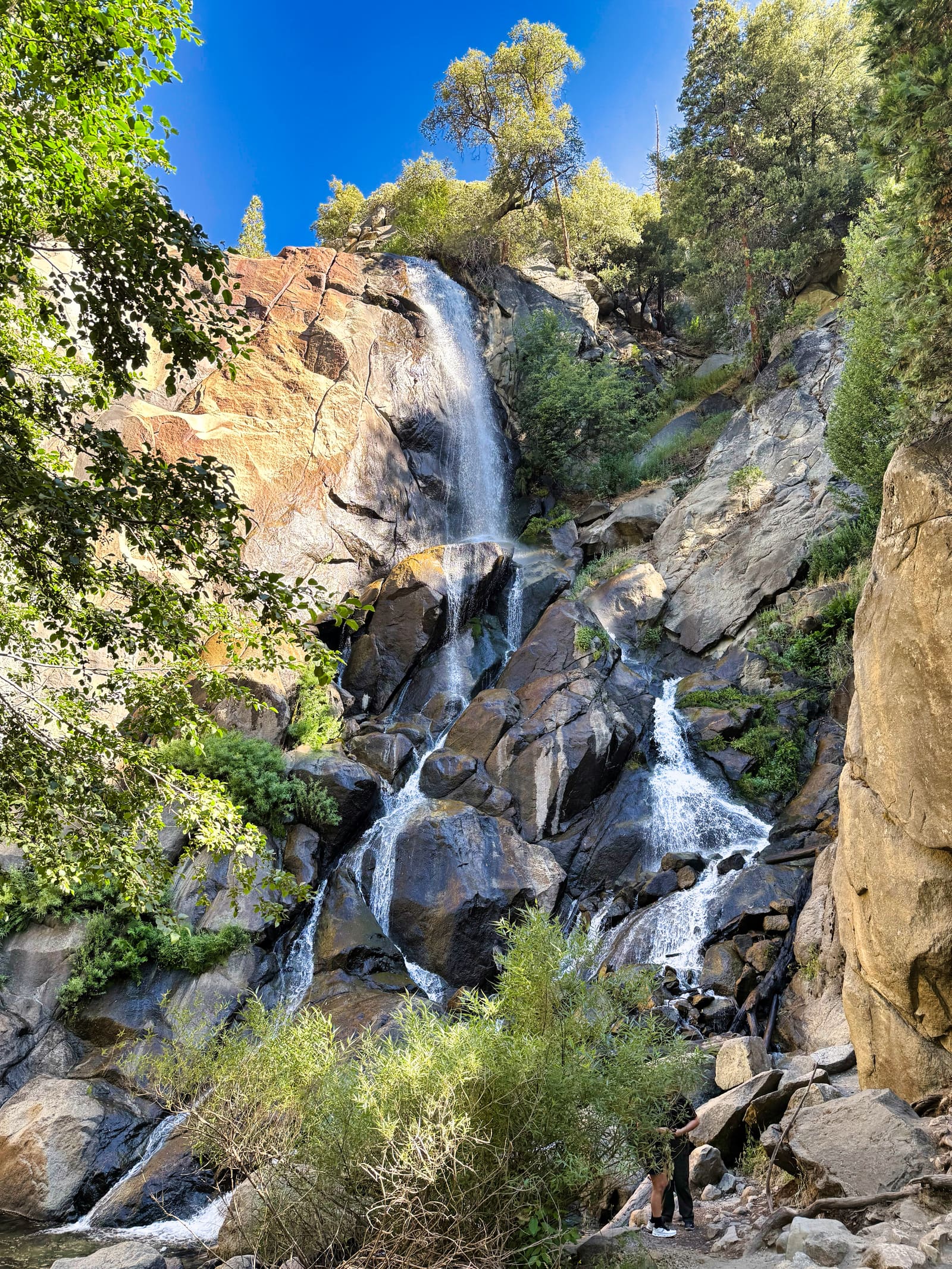
Kings Canyon doesn't announce itself. It just keeps dropping.
Wall after wall of granite, cut by a river and ground down by glaciers, with no one around to applaud the work.
The depth isn't for show. It's just what the place is.
The deepest leaders I know work the same way.
They ask one more question than everyone else.
They stay in the conversation twenty seconds longer than is comfortable.
They don't fill silence just to fill it.
They carry what people told them in private and don't bring it up in public.
Nothing about that is loud.
All of it is trust.
Who on your team is quietly deeper than you've been giving them credit for?
2. The Old Model Shouts Accountability. The New Model Builds It Quietly.
Here's a move a lot of leaders have to unlearn.
The belief that accountability has to be visible to count.
If you name it in the meeting, it's real. If you say it privately, it's soft.
So the performance conversation happens in a group setting.
The missed deadline gets called out in front of the team because "everyone needed to hear it."
The correction gets made loud so nobody can miss the lesson.
And the team gets quieter.
Not more accountable. More careful.
People stop bringing that leader the hard stuff.
Because they've seen what happened to the last person who did.
The old model shouts.
It uses volume as a signal of seriousness.
It assumes public pressure equals private change.
The new model builds accountability below the surface.
It runs the hard conversation in private, first.
It names the pattern without the audience.
It lets someone keep their dignity while still owning the miss.
It makes the next move easier, not harder.
I've always held people accountable in private.
I don't believe it belongs in front of a group.
Quiet accountability is the only kind that actually changes behavior.
Where are you still shouting accountability because it feels like leadership, and missing the deeper version that would actually work?
3. The Deepest Relationships on Your Team Weren't Built in Meetings. They Were Built in Moments You Went Below the Surface.
This is the one that matters most.
Think about the people you most trust in your professional life.
Walk through the list.
Now ask yourself where that trust was actually built.
It wasn't the Monday standup.
It wasn't the quarterly offsite.
It wasn't the group email thread.
It was a phone call during a hard week.
A dinner where someone told you the truth about what was going on at home.
A walk where you admitted you didn't know what to do next and they didn't try to fix it.
A text at the right moment that let you know you weren't alone.
Every deep relationship on your team has one of those moments in it.
Not a meeting.
A moment.
Something that happened below the surface of the org chart.
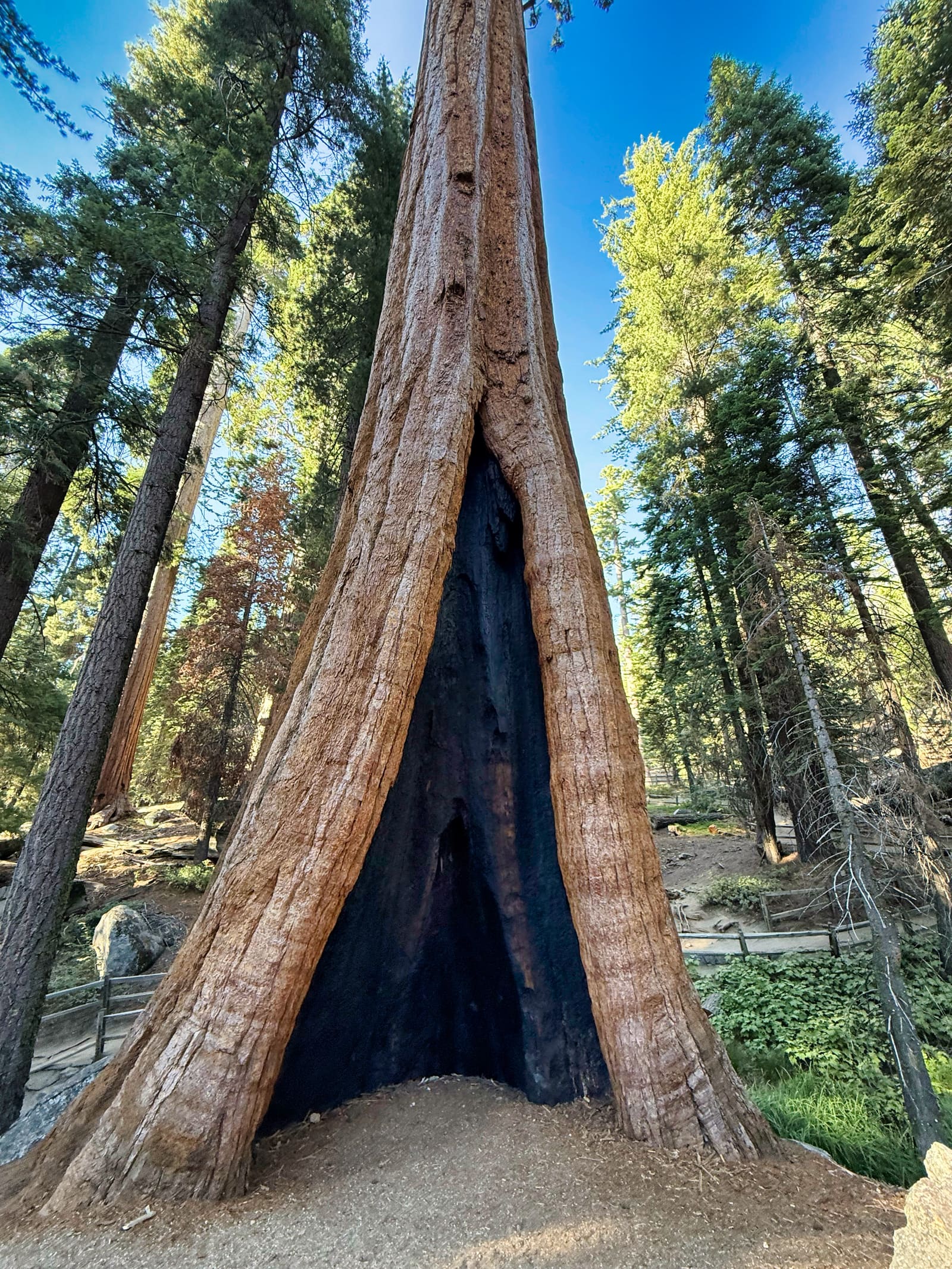
Kings Canyon was cut by a river a lot of visitors never drive down to see.
The canyon is the story the river and the ice have been telling for ages.
You can look at it from up top and miss the whole thing.
The depth is at the bottom.
The team you lead is the same.
The real work is happening below the meeting layer.
Your job, as the leader, is to keep going down there.
Who on your team have you only ever met at the rim?
The Price of Leading From the Rim
If you stay on the rim of every relationship on your team, here's what it costs.
It costs you the information you actually need.
People stop telling you the hard stuff because they've learned the hard stuff doesn't go anywhere productive with you.
It costs you the retention of your best people.
The deepest ones on your team don't leave because of pay. They leave because they stopped feeling seen.
And being seen requires someone to look below the surface.
It costs you your own reputation.
The leaders people follow for twenty years are not the loudest ones. They're the deep ones. The ones who carried people through the hard chapters quietly and kept showing up.
And it costs you the version of yourself you actually wanted to become.
Because loud is exhausting.
And deep is sustainable.
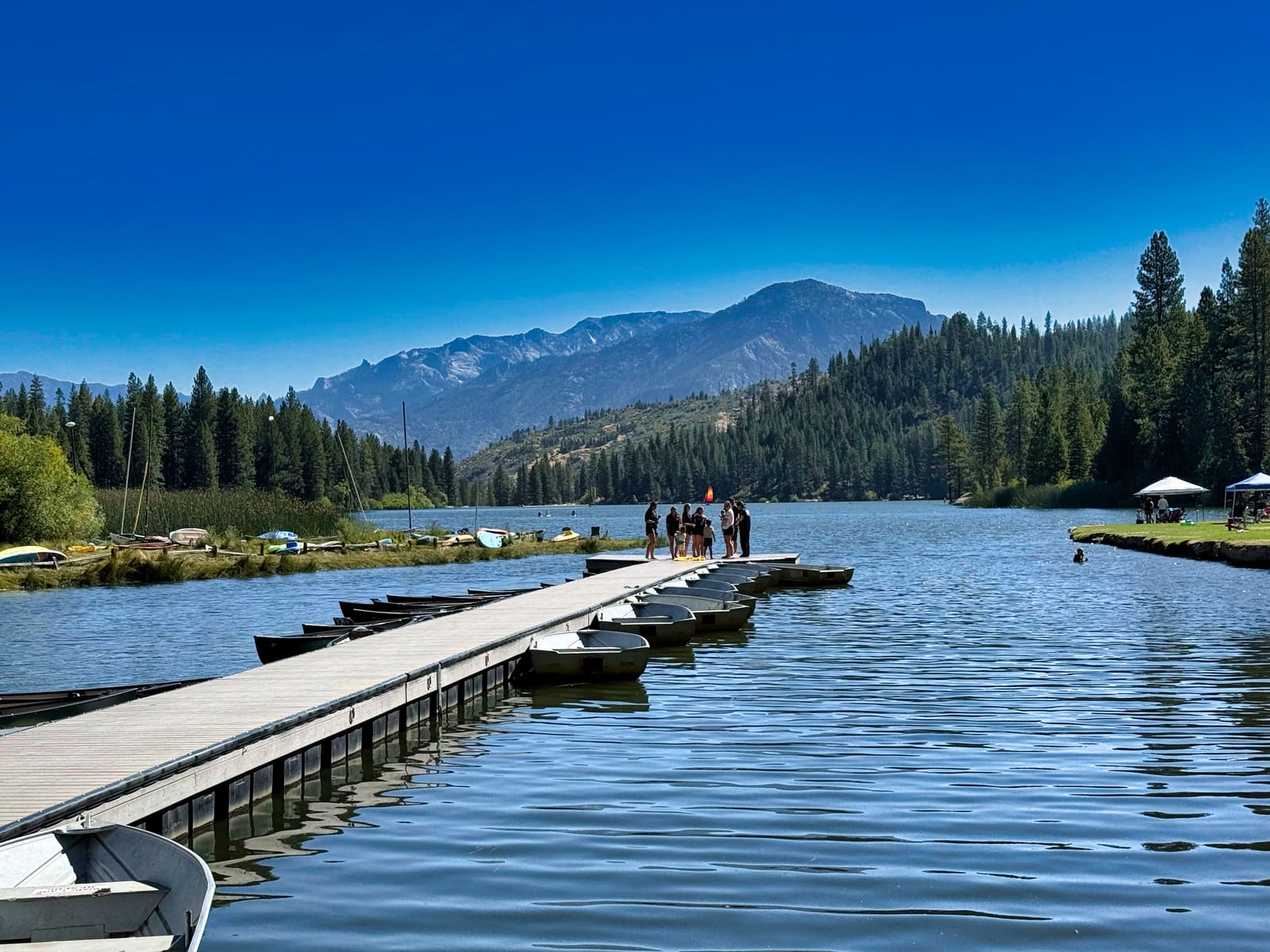
The Rim and the Floor
Every team has a rim and a floor.
The rim is the meeting. The org chart. The Slack channel. The stated values.
The floor is the actual river. The real relationships. The trust that's been built in moments nobody saw.
Most leaders only ever work the rim.
They run the meeting. They post in the channel. They do the quarterly offsite. They give the speech.
And they wonder why their team feels shallow.
It's not the team.
It's the layer they're leading from.
The leaders who go deep don't skip the rim work.
They still run the meeting. Still post in the channel. Still give the speech.
They just don't mistake it for the real thing.
They know the real thing happens in the canyon.
Your team needs you down there.
Quiet. Intentional. Present at a depth most people don't get to.
Not louder.
Deeper.
Go Below the Rim With One Person
Pick one person on your team.
Someone you've been meeting at the rim.
Someone you'd say you "know" but probably couldn't tell me what they're actually carrying right now.
Go deeper this week.
Not in a meeting.
Not in a group.
In a moment.
Ask them one question below the surface and actually wait... and wait... for the answer.
What's hard right now that you haven't told anyone?
What would you want me to know if you trusted me enough to say it out loud?
What part of your work right now feels like you're doing it alone?
Ask. And then don't fill the silence.
Let them go to the bottom of the canyon with you.
That's where the depth is.
Kings Canyon is deeper than almost anyone knows.
Your team is too.
You already know the way down. It's how every relationship you trust was built.
Go down there.
You got the position.Nobody gave you the playbook.
If this note read like your team, High Impact Teams is where you install the playbook they can run when you're not in the room.
See High Impact Teams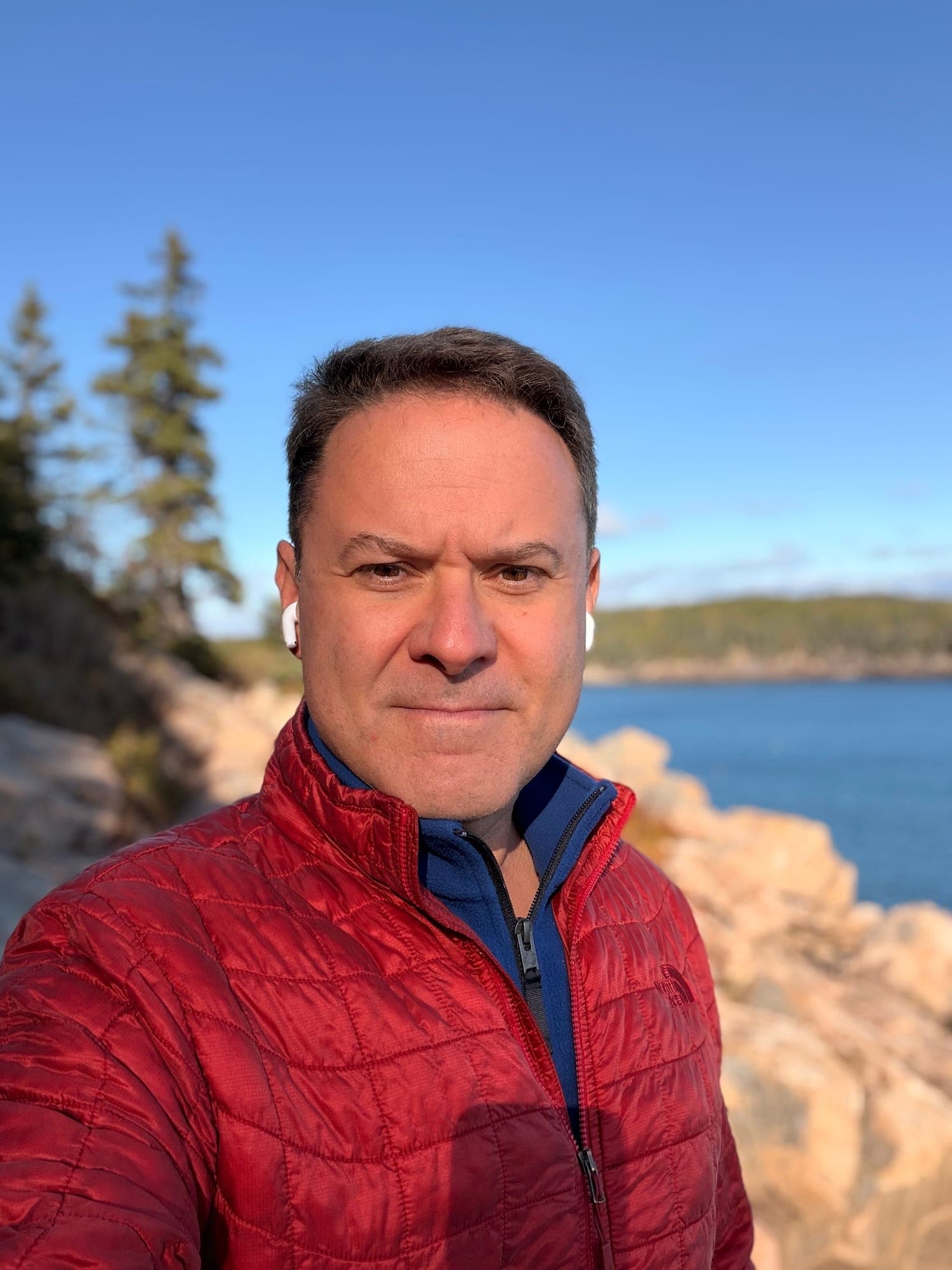

Founder, Lead Differently
The Lead Differently movement. For leaders who got the position without the playbook. Built around how you're actually wired.