Build the Ecosystem Your Team Needs:Isle Royale
You've been treating your team like a roster. It's actually an ecosystem.
That's why everything you touch ripples.
And why nothing you fix stays fixed.
Most leaders run on some version of this:
"If I just replace this one person, the team will run."
"If I just restructure this role, the bottleneck will clear."
"If I just promote the right person, everything will align."
You tell yourself the issue is a single piece.
A single hire.
A single process.
A single conversation that will unlock everything.
It never does.
Because your team is not a collection of parts.
It's a living system.
The Island That Teaches You About Your Team
I flew out to Isle Royale on a seaplane.
A seaplane.
The kind that lands on water like it's the most natural thing in the world, and most of us forgot that was even possible.
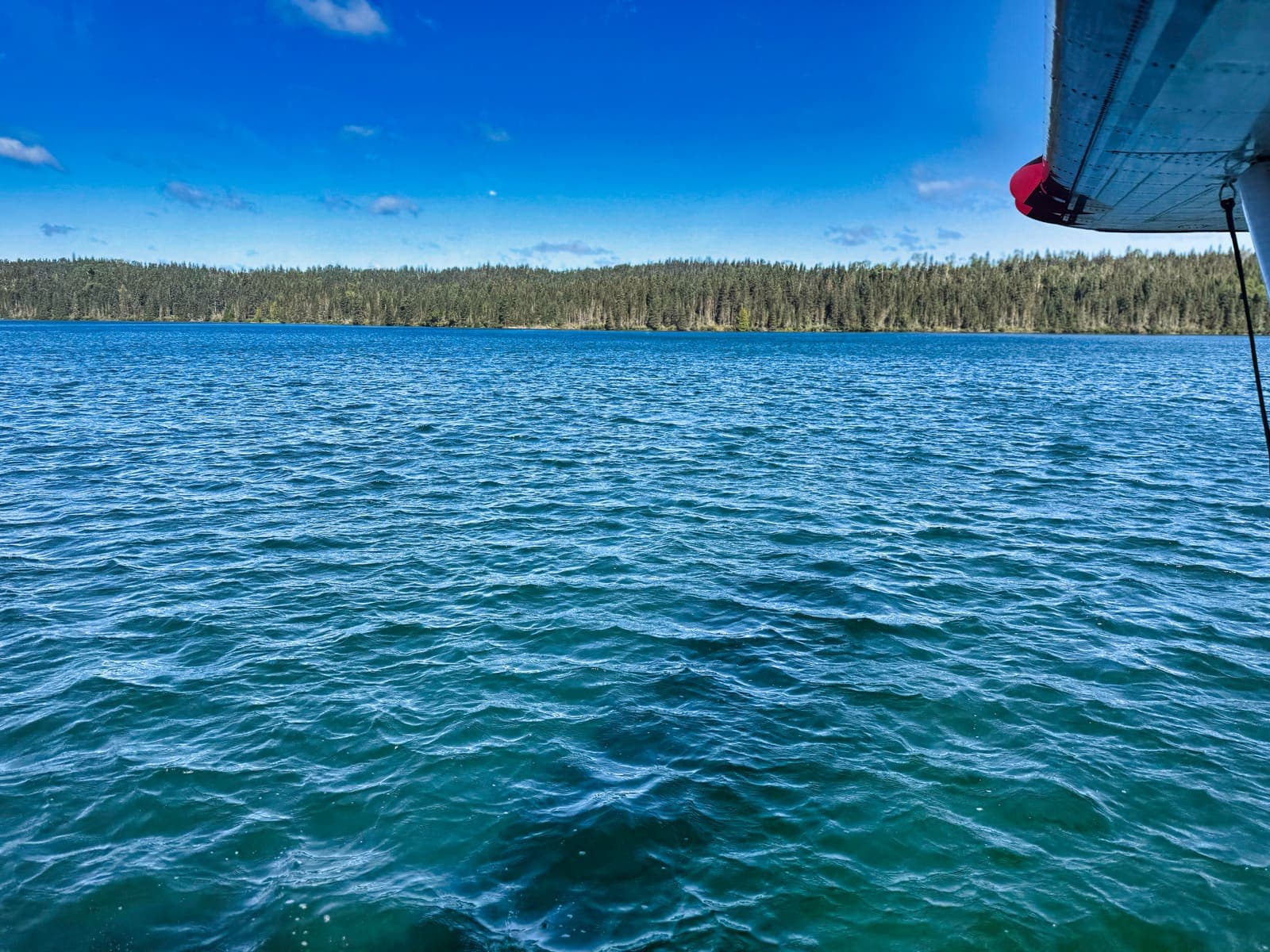
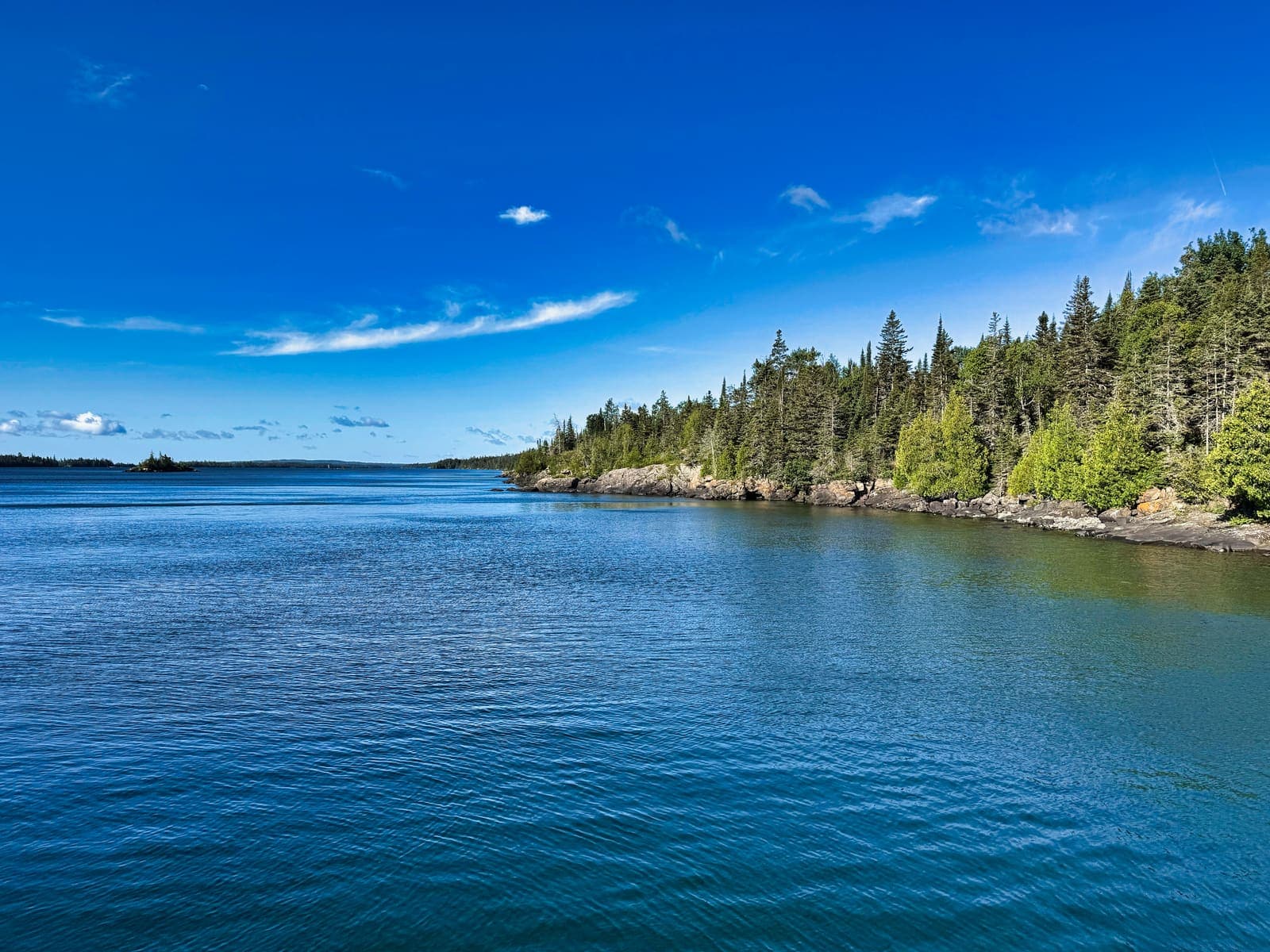
We took off from Michigan with the pontoons trailing white water behind us. The shoreline shrank to a thread. Then it was just Lake Superior, stretching past the horizon in every direction.
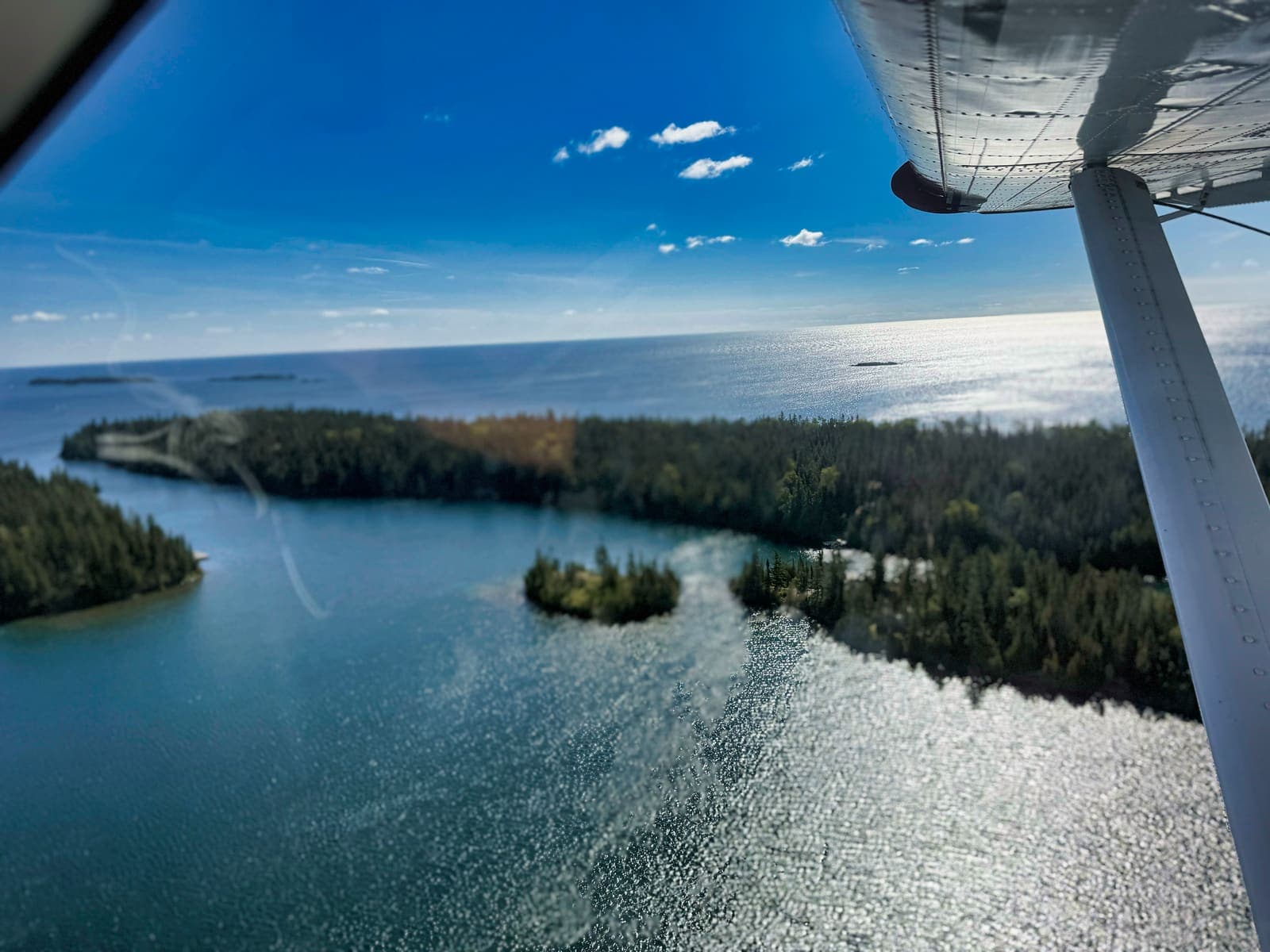
And then, slowly, the island rose up out of the water ahead.
Green. Wild. Alone.
No roads.
No town.
No cell signal. Once you're out there, you're out there.
Then we dropped down toward the water.
Slow descent.
The lake was flat and crystal clear. The pontoons touched the surface with a long hiss that felt more like landing on a sheet of glass than a runway.
Just that landing was absolutely stunning.
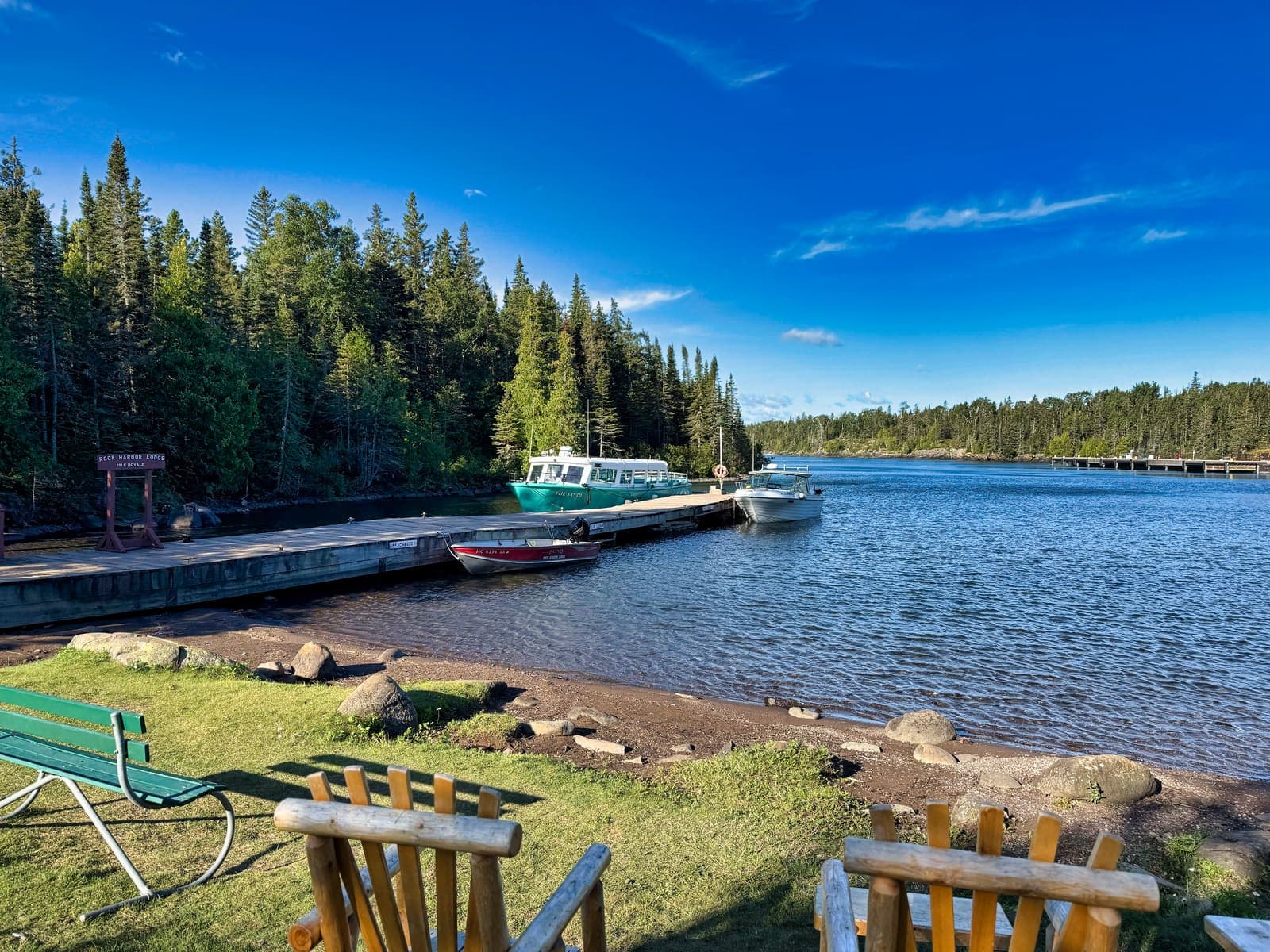
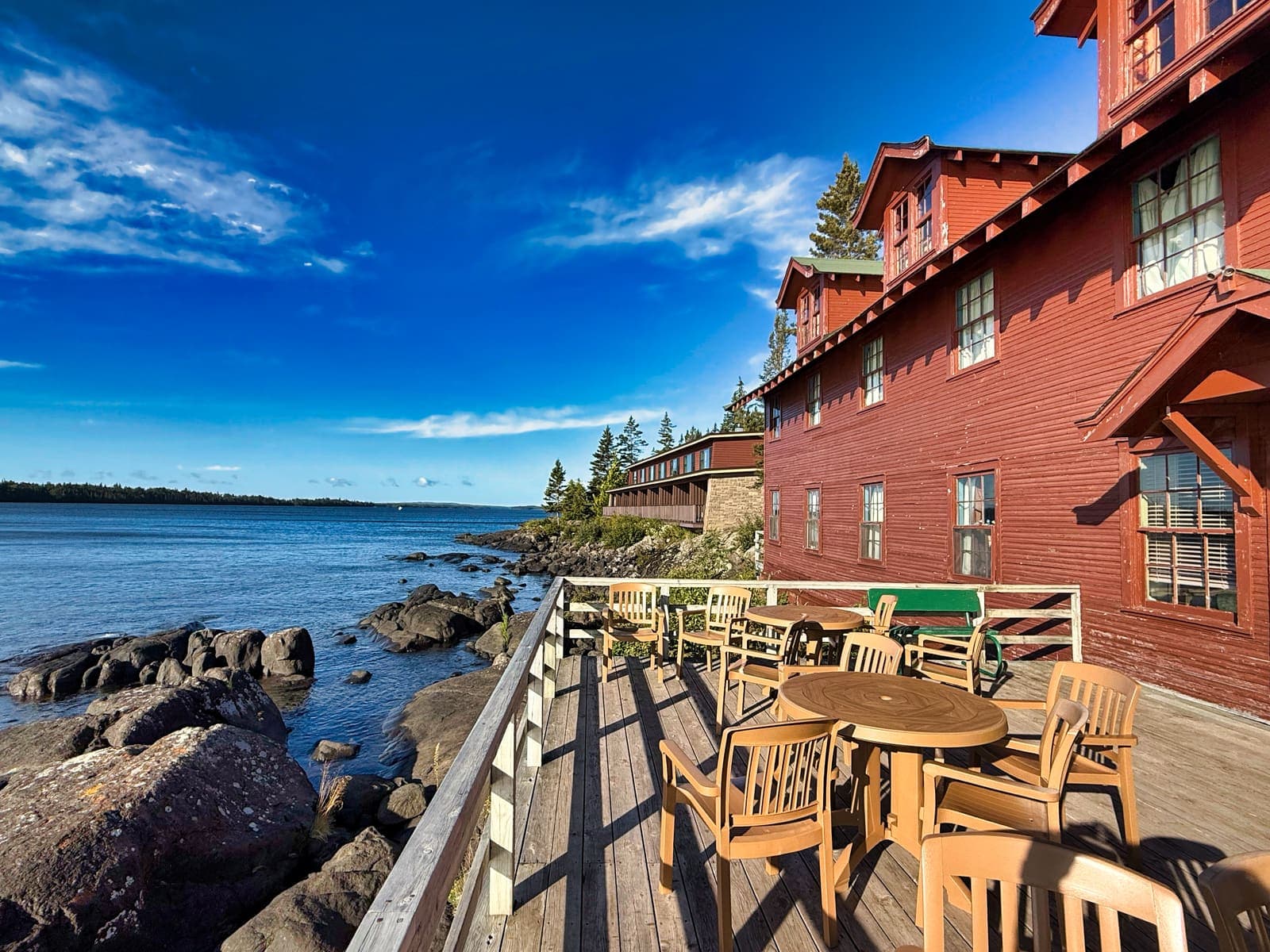
We came up to the dock, and there were two ducks on it, watching us come in. That was the welcoming committee.
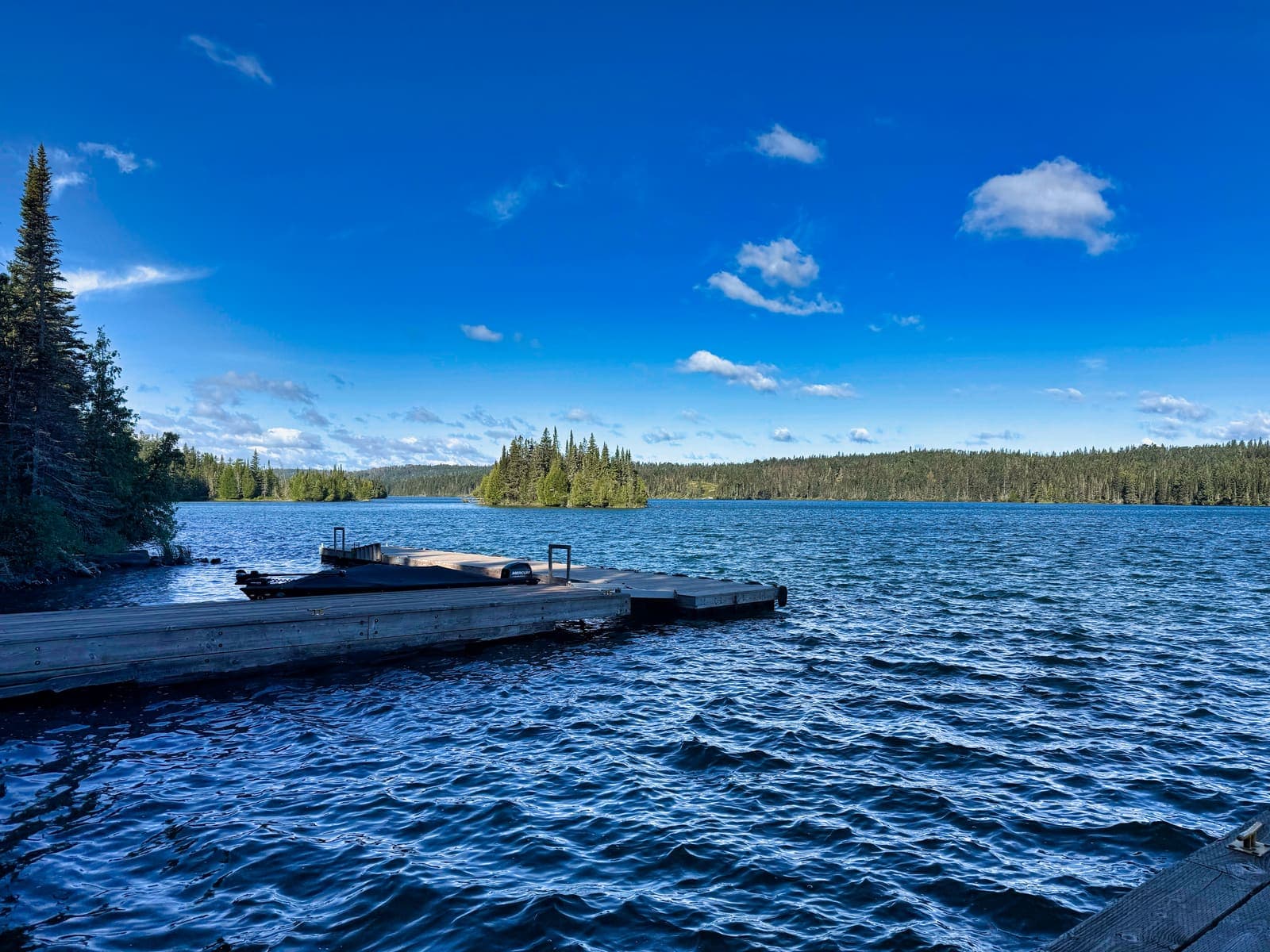
I'll be straight with you about the rest.
That was most of my trip. It got cut short.
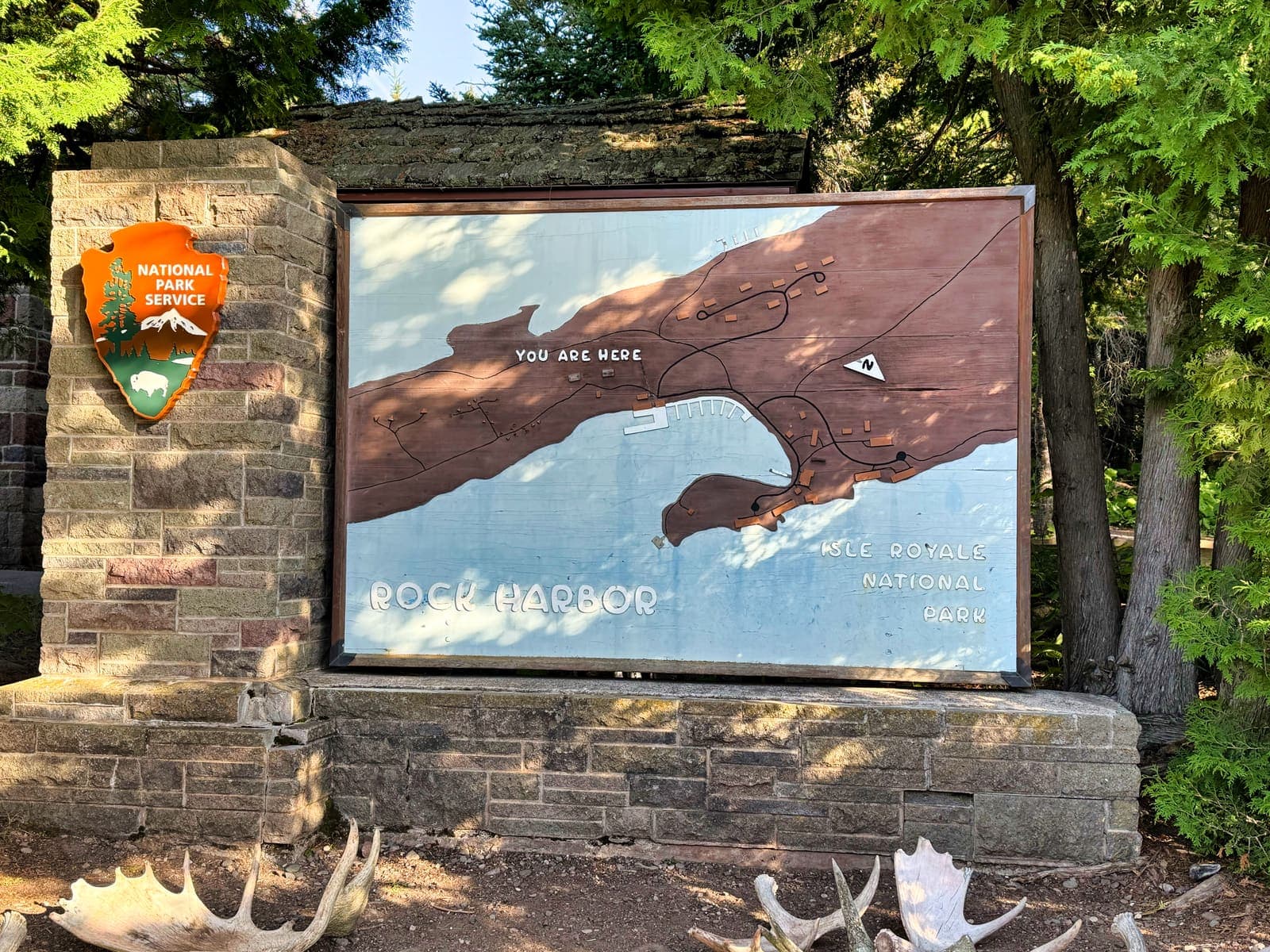
I made it out to Rock Harbor, and that was about as far as I got. I didn't see a moose. I didn't see a wolf. Other than those two ducks, I didn't see any wildlife at all.
And I want to go back to that one so bad.
Because almost everything that makes Isle Royale famous happens where you can't see it from the dock.
Moose and wolves have been studied on this island for nearly seventy years.
The longest continuous predator-prey study in the world.
And the thing researchers keep finding is this.
When one population shifts, everything shifts.
Wolves thin out. Moose explode. Trees get stripped. Beaver populations drop because they lose the vegetation they rely on.
Moose explode. Wolves eventually catch up. Moose crash. Trees recover. Beavers come back.
On and on.
A closed system where nothing operates in isolation.
And it's still moving. After the wolves crashed, new wolves were brought to the island in 2018 and 2019. By the 2026 winter count, there were more wolves than the island had seen since the late 1970s, and the moose numbers were falling hard.
One change. Everything else answering it.
Think about that for a second.
I saw that whole island from the air, all at once, and still missed nearly everything that makes it run.
That's how most of us see our teams.
Every hire. Every role you remove. Every promotion. Every pivot.
It all ripples.
We just aren't standing where we can watch the waves.
Isle Royale's wolves and moose have been studied for nearly seventy years. When one population shifts, everything shifts. Your team works the same way.
You've made these moves.
Hired the rockstar from outside and watched two internal people who were about to thrive quietly check out within six weeks.
Promoted the top performer to manager and wondered why the team's output actually dropped for a quarter.
Removed the process you thought was slowing everyone down and discovered three other things were quietly depending on it.
Cut the meeting that felt like a waste and watched four different groups start reinventing the same alignment, in silos.
Rewrote the comp plan to solve one incentive problem and accidentally broke the collaboration you'd built for two years.
You weren't fixing a part.
You were moving a single thread in an ecosystem that had been balancing itself around it.
1. Your Team Is an Ecosystem. Pulling One Thread Unravels Everything.
Here's the part most leaders never sit with.
A team is not a roster.
A roster is a list of names and titles.
A team is a system of relationships, feedback loops, trust lines, unwritten agreements, and invisible handoffs that have been building for months or years.
When you pull a thread, you don't just remove the thread.
You disturb everything that had been holding onto it.
A lot of leaders make personnel decisions purely on the role.
Swap the title.
Fill the seat.
Tell themselves the team will absorb the change.
The team absorbs the change.
And something else breaks that nobody connects to the original move for three months.
Your team member who went quiet after the reorg?
Not being dramatic.
She lost the colleague who'd been her informal thought partner for two years, and nobody named it.
Your high performer who suddenly missed a deadline after the new hire started?
Not slipping.
Renegotiating his sense of where he stands in a system that just shifted under him.
Your two leads who stopped talking to each other after you restructured reporting lines?
Not a personality clash.
A handoff that used to work because of proximity, now broken because proximity is gone.
Every move you make in an ecosystem is an ecosystem move, whether you treat it that way or not.
When you stop pretending your decisions are isolated, you start making better ones.
2. The Problem You're Fixing Is a Symptom of the System You Built
Look at what happened to Isle Royale's wolves.
They didn't crash because of one bad year.
They crashed because the system around them changed.
Inbreeding after decades of isolation. A warming climate that meant fewer ice bridges to the mainland. Food availability shifting. A dog virus that made it onto the island.
The wolf crash looked like a wolf problem.
It was actually a system story.
Your team works the same way.
The employee who keeps underperforming in the same role that three previous hires also struggled in?
That's not a people problem.
That's a role problem you've been blaming on people.
The collaboration breakdown between product and engineering that you keep mediating?
Not a personality clash.
A structural mismatch you've been patching with your calendar.
The new hire who keeps needing direction you didn't expect to give?
Not a hiring miss.
A playbook that doesn't exist yet being written in real time, by you, while you solve the symptom.
Most leaders have done this one more times than they'd like to admit.
Spent months coaching someone back to baseline in a role nobody could actually succeed in, without ever looking at the role itself.
Rewrote the same process four times, because the problem wasn't the process. It was the ecosystem the process lived inside.
When the same problem keeps showing up in different shapes, that's not a people issue.
That's the system telling you where the leak actually is.
You built this system.
Intentionally or not.
And the system is always talking.
You just have to be willing to stop blaming the symptom long enough to listen.
3. Healthy Ecosystems Don't Need a Hero. They Need Balance.
Let me say what most leaders won't.
Most leaders don't want to build an ecosystem.
They want to be the hero of one.
The one who steps into the chaos and fixes it.
The one whose name is on every save.
The one without whom it all falls apart.
You've probably watched this leader from the outside and thought how exhausted they must be.
Some weeks, you've been them.
Hero leadership feels good in the moment.
It's also the fastest way to build a team that can't function without you in the middle of it.
Isle Royale doesn't have a hero.
It has a balance.
No single wolf saves the island. No single moose carries the ecosystem. The thing that keeps the system functioning is the relationships between the parts, not any one part being stronger than the others.
Your team needs the same thing.
Your top performer who you've been leaning on to save every fire?
Not an asset.
A single point of failure you've been calling a strength.
Your rising star who keeps closing the gaps nobody else knows exist?
Not sustainable.
Every gap she closes is a gap in the system you never fixed, and when she leaves, you'll watch five things break at once.
The person on your team everyone quietly calls when something complicated comes up?
He's carrying connective tissue that should be written into how the team actually works.
A healthy team doesn't need a hero.
It needs a playbook that makes the hero role unnecessary.
The moment you stop trying to be the indispensable center, your team starts functioning like a living, balanced system.
And your calendar finally starts breathing.
When You Keep Treating It Like a Roster
Your best people leave and you can't trace why.
Your reorgs fix one problem and create three.
Your top performers burn out carrying the weight of a system you never balanced.
Your hiring decisions keep missing in the same role for reasons you keep blaming on candidates.
Your team looks strong on the org chart and fragile in the actual work.
And you end each year exhausted because you've been holding the middle of something that was supposed to run on its own.
But when you lead the ecosystem instead of managing the roster?
Your moves ripple in your favor, not against you. Your people stop needing you to hold them together because the system is designed to do that. Problems stop repeating because you're addressing the cause instead of the symptom. Balance becomes the default and heroics become the exception.
Lead the Island, Not the List
Think back to what you wanted when you first took on a team.
Something that worked. A team that functioned even when you stepped away. A culture that held its shape when the pressure came. A place where the right people could do their best work without you having to glue every handoff together.
Somewhere along the way, you started treating the team like a list of seats instead of a living system.
Pulling threads without tracking where they connected.
Fixing the symptom and walking away from the cause.
Stepping in to save the day and accidentally building a team that needed saving every week.
Not because you stopped caring.
Because you were handed a list of names, and nobody handed you the ecosystem playbook.
Thinking in relationships instead of roles is a skill. It can be learned.
The island doesn't run on its strongest wolf. It runs on the relationships between everything on it.
Your team does too.
Trace One Ripple
Pick one decision you've made in the last ninety days.
A hire. A firing. A promotion. A process change. A structural shift.
Now trace the ripples.
Who got stronger because of it?
Who got quieter?
What relationship shifted?
What handoff broke that nobody has named?
Write the ripples down.
That's the ecosystem you're actually leading.
Every move on your team is a ripple.
You've felt them for a long time, even when you couldn't trace them. That instinct is right.
Now start leading like you can see the whole island.
You got the position.Nobody gave you the playbook.
If this note read like your team, High Impact Teams is where you install the playbook they can run when you're not in the room.
See High Impact Teams

Founder, Lead Differently
The Lead Differently movement. For leaders who got the position without the playbook. Built around how you're actually wired.