Align Many Roads to One Shared Mission:Canyonlands
Your team isn't misaligned.
They were never given the same map.
Ask a frustrated leader what's wrong and you'll hear some version of this:
"My team won't step up."
"They're not motivated."
"I'm the only one who cares about results."
But here's what's actually happening:
You kept the mission in your head.
You assumed alignment meant everyone working the same way.
You let them wander different paths without ever saying where they were supposed to end up.
And now you're frustrated that they're not arriving somewhere they never knew they were headed.
Where Every Road Comes Together
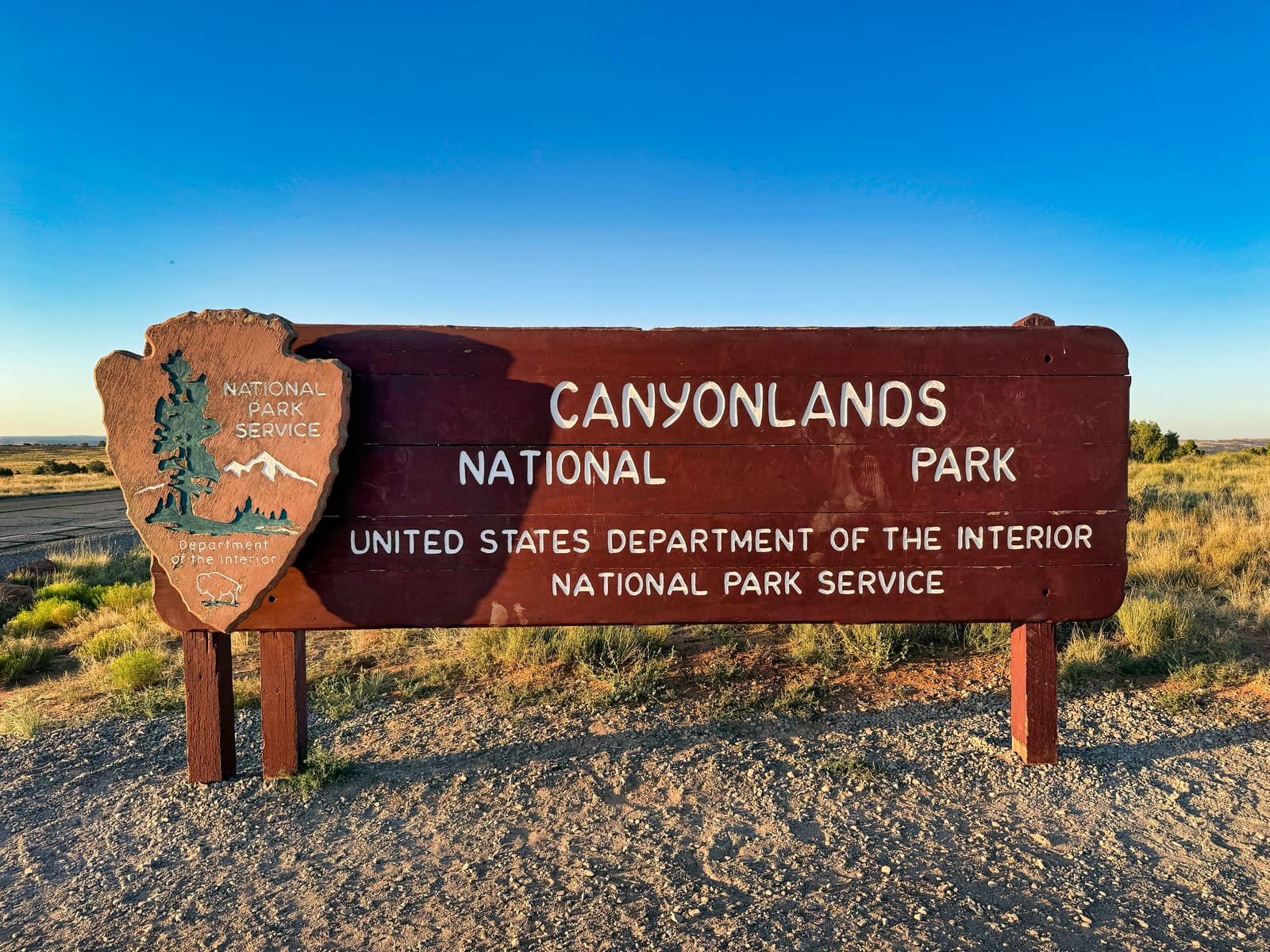
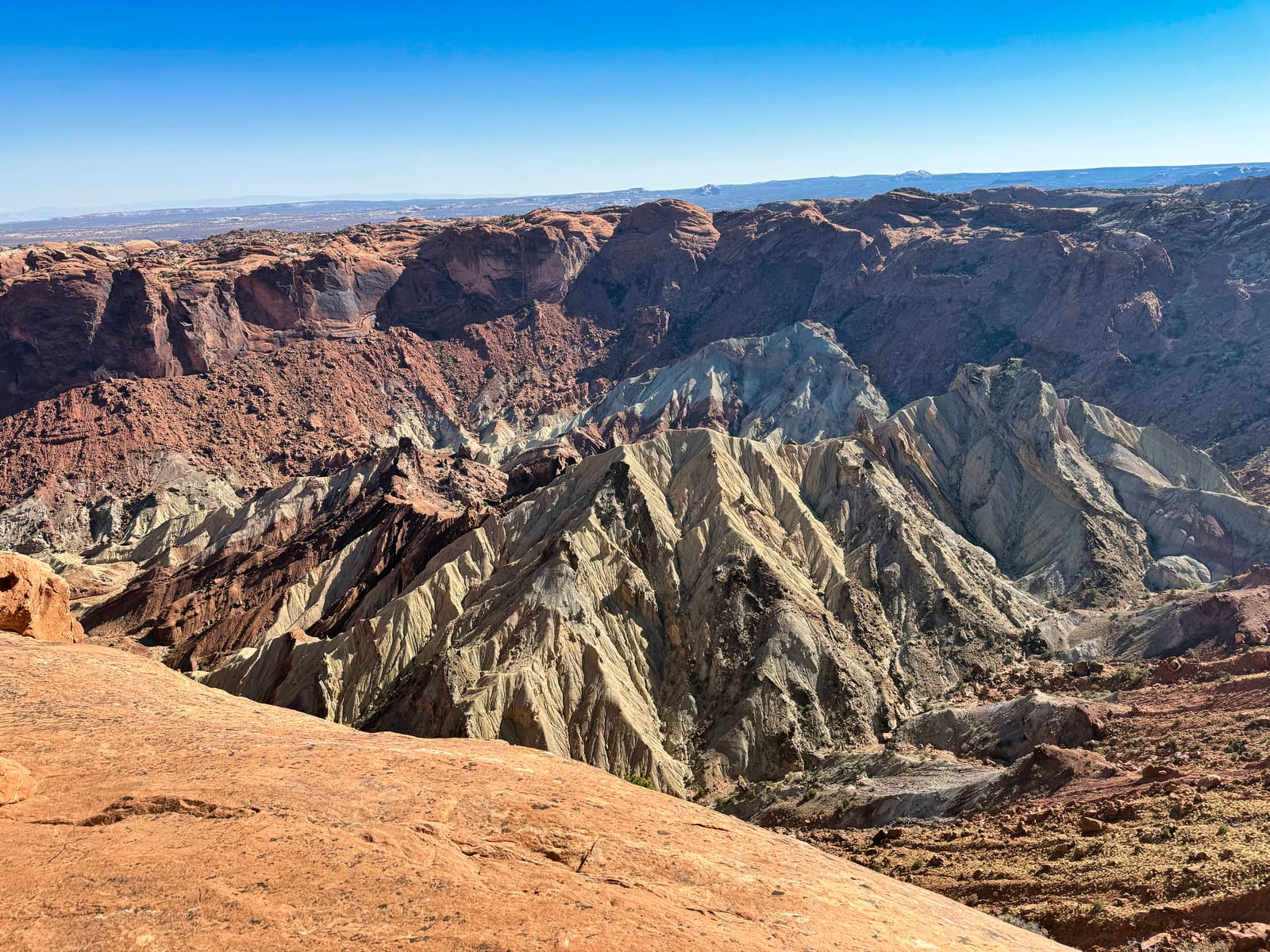
Canyonlands was stunning.
What stays with me is the network of it. Roads and canyons everywhere, all of it coming together.
There's off-roading out there. There are some beautiful hikes.
Upheaval Dome was a really cool one.
And then there was Mesa Arch.
I got there for sunrise.
The sun came up through those canyons, and you could see it on the canyon floor through the arch.
Absolutely breathtaking. I have an amazing picture of it.

You don't get that moment by wandering around.
You get it by knowing exactly where you're going and when you need to be there.
Which road you took in the dark matters a lot less.
From up top, you could see the Green River and the Colorado River.
I didn't go down to where they meet.
But you don't have to stand at the water to see what they do.
Two different rivers.
Two different starting points. The Green in Wyoming's Wind River Range. The Colorado in Rocky Mountain National Park.
Two different canyons.
Some days they don't even look the same. The Colorado runs redder and browner. The Green runs greener.
And then, at the Confluence, they come together and keep going as one river.
Not because someone forced them together.
Not because they were identical.
Because they were always headed to the same place.
Now think about your team.
You have a team member who works completely differently than you do.
Methodical where you're intuitive.
Asking questions where you jump ahead.
Needing the "why" in a way that feels tedious to you.
Moving deliberately where you move fast.
And for years, you treated this like a problem.
Like they weren't aligned.
Like their caution was misalignment.
Like the fact that they didn't think like you meant they weren't committed to the same destination.
You'd get frustrated in meetings.
You'd pull them aside and ask if they were really bought in.
You'd read their questions as resistance instead of rigor.
But look closer.
You never actually told them where you were going.
Not plainly.
Not in a way they could find their own path toward it.
You expected them to figure out the destination by watching your moves.
You assumed they could read your mind.
You guessed they understood the strategic direction.
You wondered why they weren't "getting it" when "it" was never actually said out loud.
You kept the map locked in your head.
You never showed them where the rivers meet.
That isn't a team problem.
It's a map you never handed over.

1. Different Isn't the Same as Misaligned
Canyonlands has a lot of roads.
Some are easy.
Some are brutal.
Some require patience.
Some require skill.
Some require guts.
Some require all of the above.
But nobody goes out there to see a road.
You go for what's at the end of it.
The overlook. The arch at sunrise. The reason you're in the canyon at all.
Leaders often confuse sameness with alignment.
You expect people to think like you.
Work like you.
Solve problems like you.
Move at your pace.
Care about what you care about in the order you care about it.
But sameness isn't alignment.
It's control.
You have a detail-oriented team member who wants everything documented and mapped out before moving.
They need to understand the system before they trust it.
You read this as a lack of initiative.
Slow movement.
Not stepping up.
Analysis paralysis.
But you never actually told them what success looked like.
Never named the destination.
Never explained the strategic "why" behind the work.
Never wrote down the systems you were relying on.
You assumed they'd figure it out from your energy and pace and tone.
They weren't misaligned.
They were walking without a map.
They were moving through your assumptions.
They were trying to follow your footprints, when what they needed was your destination.

Where are you calling it misalignment when you never actually shared where you're going?
2. Multiple Paths Work When Everyone Knows the Destination
This is where alignment actually gets interesting.
Alignment isn't agreement.
Alignment is a shared destination.
The Green River and the Colorado River aren't the same.
They start in different mountains.
They don't follow the same route.
They don't always look the same.
But they end up in the same river.
When you make the destination plain...
When you explain the strategic why...
When you describe what success actually looks like...
When you define the non-negotiables and leave everything else flexible...
...then people don't need permission to take different paths.
They need the freedom to find their own way there.

Think back to a time a boss gave you one clear objective... and then got out of the way.
Didn't tell you how to build the solution.
Didn't tell you which team members to use.
Didn't micromanage the timeline or the process.
Didn't assume there was only one right way.
Didn't check in daily to make sure you were following their roadmap.
But the objective was unmistakable.
The destination was undeniable.
The definition of success was measurable.
The budget was set. The deadline was real. The impact was urgent.
And you? You did your best work, because you could solve the problem your way, toward a shared goal.
You brought your strengths to the table because the destination was plain enough to let you.
You made decisions on your own because you understood where the river was flowing.
You worked differently than your leader would have... and it was better.
You looked back weeks later and realized you'd felt trusted.
Knowing where you were going had freed you instead of boxing you in.
That's what a shared destination does.
It doesn't constrain.
It frees people up.
It turns followers into owners.
Are you telling your team the destination, or the route?
Are you holding the map so tight you forgot they have to get there too?
3. Alignment Isn't Agreement. It's a Shared Destination.
This is the part that changes everything.
You don't need agreement about the path.
You need everyone certain about the destination.
The Green River and the Colorado River don't agree on much.
Their water starts in different mountains.
It carries different sediment, which is why the rivers can run different colors.
They cut different canyons on the way.
They're completely different.
And they end up in the same place.
Picture a mixed team... designers and engineers who barely speak the same language.
Different pace.
Different values.
Different ways of solving problems.
Different measures they each care about.
The designers want to iterate and explore. The engineers want a locked spec and a timeline.
Instead of trying to make them think alike, you make the outcome impossible to miss.
You show them the customer problem so plainly nobody can look past it.
You define what solved means in measurable terms.
You say, "Here's what customers will tell us if this works."
You set milestones everyone can track, even if they track them differently.
You make the destination so vivid that every person on the team can picture their own path there.
Then you let them move toward it in their own ways.
The designers might go first, sketching possibilities.
The engineers might follow, building it to last.
They won't be in sync.
They'll be aligned.
That's where people's best thinking shows up.
When the destination is certain enough to let everyone's strengths into the work.
What would change if you stopped chasing agreement and started sharing the destination?
What outcome is so plain that people could take different paths toward it?
When the Map Stays in Your Head
Your team keeps taking wrong turns because they're guessing the destination.
You stay frustrated because people "don't get it"... when you never actually showed it to them.
Your people become dependent on your proximity... looking to you for every decision instead of finding their own way.
Innovation stops because people are too busy figuring out where they're going to imagine better ways to get there.
The person who built half your onboarding process from scratch updates their LinkedIn... because they can't see a destination worth staying for.
And the destination stays locked in your head... instead of multiplying through your team.
Different Roads, Same Place
Being the only one who knows where you're going was never the job.
You took this on because you believed in building something bigger.
Something where different people with different strengths could all move in the same direction.
Something where a shared destination replaces control.
Something where people could find their own path, as long as they knew where it ended.
That's not micromanagement.
That's trust.
Two rivers from different mountains, running different colors, meeting and going on as one.
That's what alignment looks like.
Not sameness.
A shared destination.
Your team is ready to come together.
They need to know where they're going.
Write Down the Destination
Write down the destination in a way your team could understand it.
Not the strategy.
Not the methods.
Not the vision that lives in your head.
The destination.
Plain enough that someone could find their own path toward it.
Specific enough that they'd know if they were heading the right direction.
Complete enough that they wouldn't have to guess.
Share it with your team this week.
Then watch what happens when they finally know where the river goes.
The Green and the Colorado meet in Canyonlands because they're headed to the same place.
Not because they agree on how to get there.
Your people are already capable of getting there their own way.
Show them where you're going.
You got the position.Nobody gave you the playbook.
If this note read like your team, High Impact Teams is where you install the playbook they can run when you're not in the room.
See High Impact Teams

Founder, Lead Differently
The Lead Differently movement. For leaders who got the position without the playbook. Built around how you're actually wired.