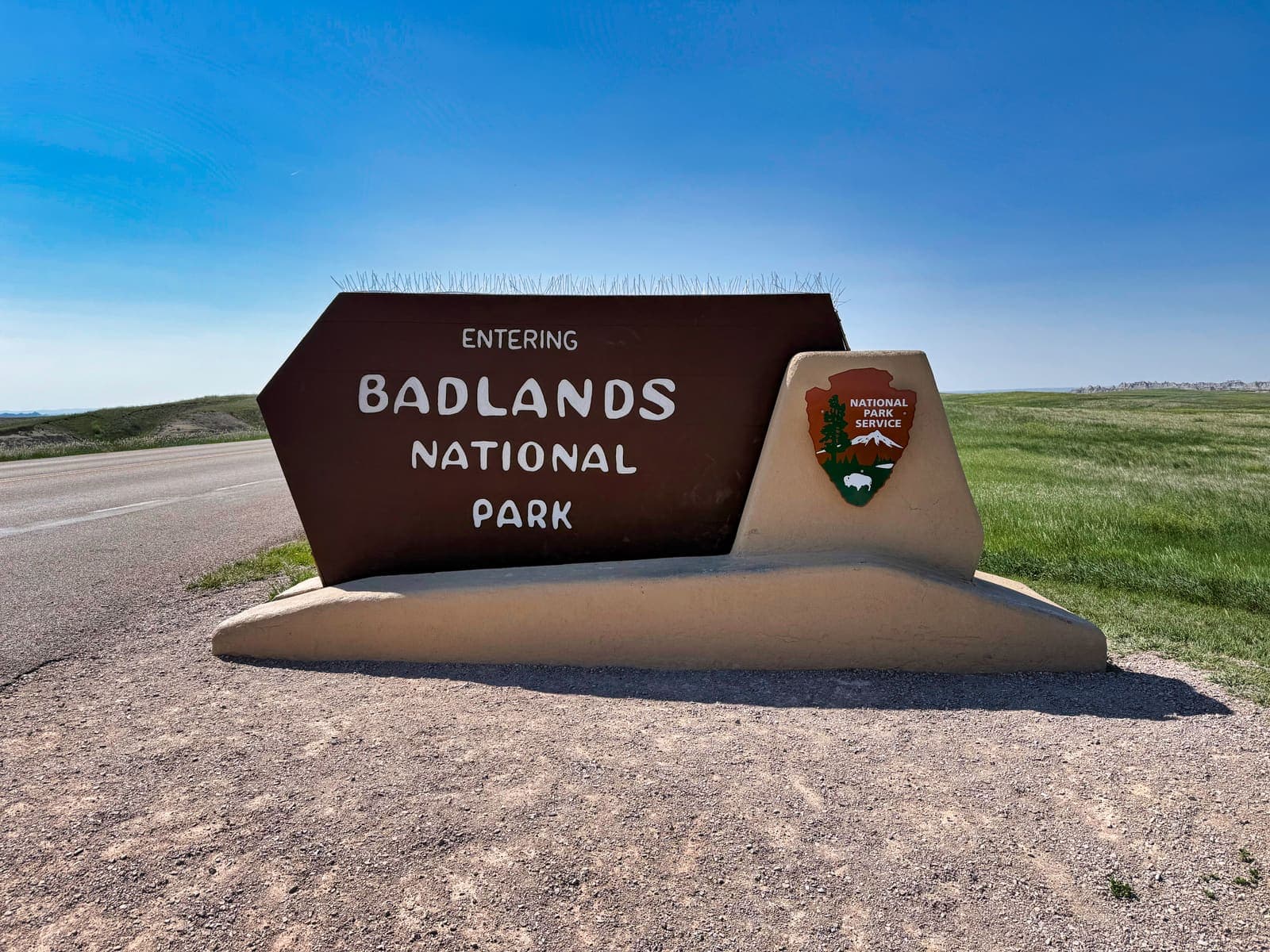
Thrive When the Conditions Turn Harsh:Badlands' Rugged Terrain
You keep telling yourself you'll build the system after this season calms down. The season isn't calming down. It's getting harder. And you haven't built a thing.
Here's the lie busy leaders keep telling themselves:
"I'll get to the hard work once things settle."
"I'll build the playbook after we get through this stretch."
"I'll fix the system when I have time to breathe."
You tell yourself the conditions will ease. You tell yourself the weather is temporary. You tell yourself next quarter is when the real work starts.
Every month the conditions get harder. Every month the playbook gets further away.
And every month, you survive on grit that was never designed to last this long.
The Terrain That Refused to Soften
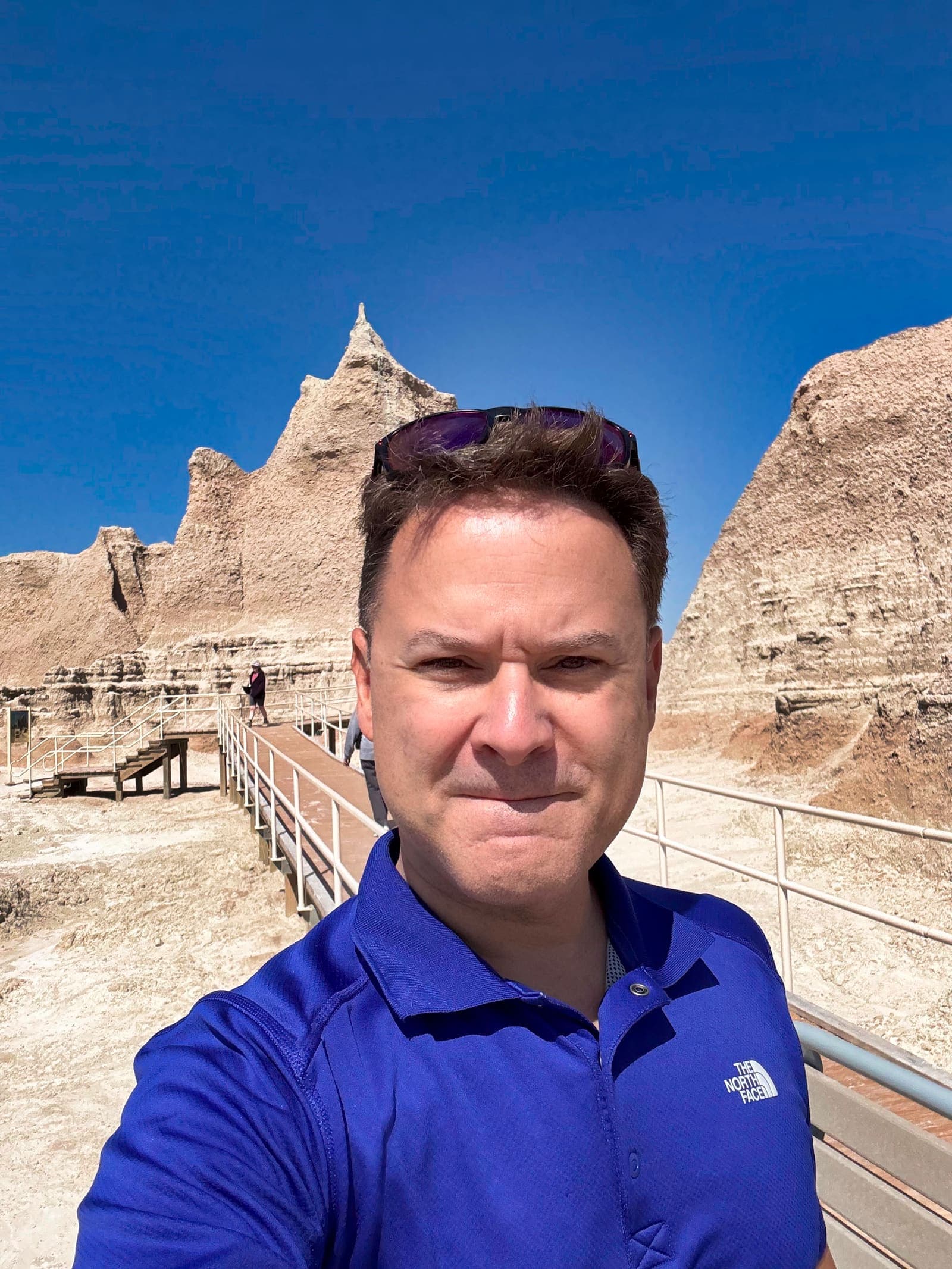
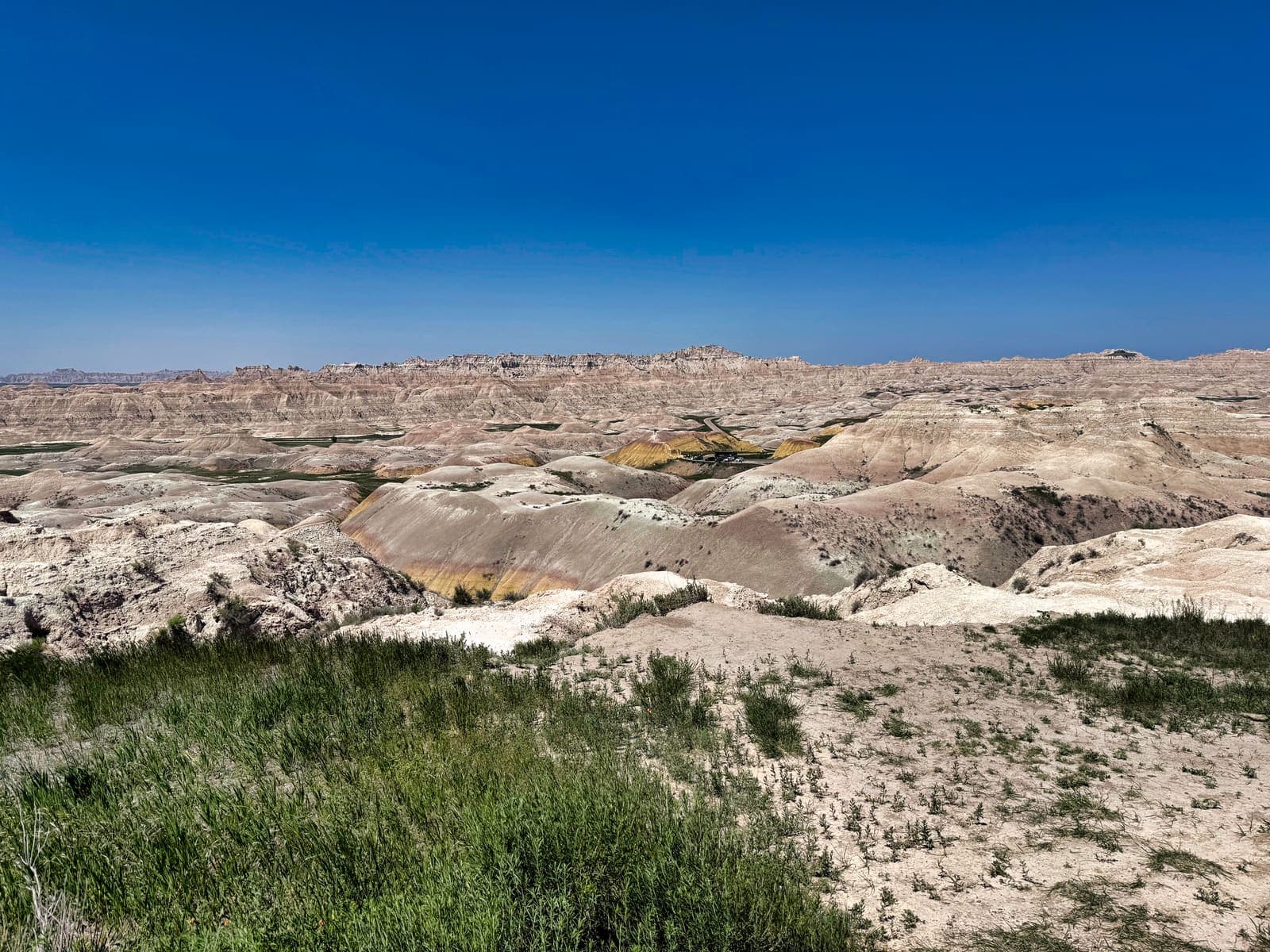
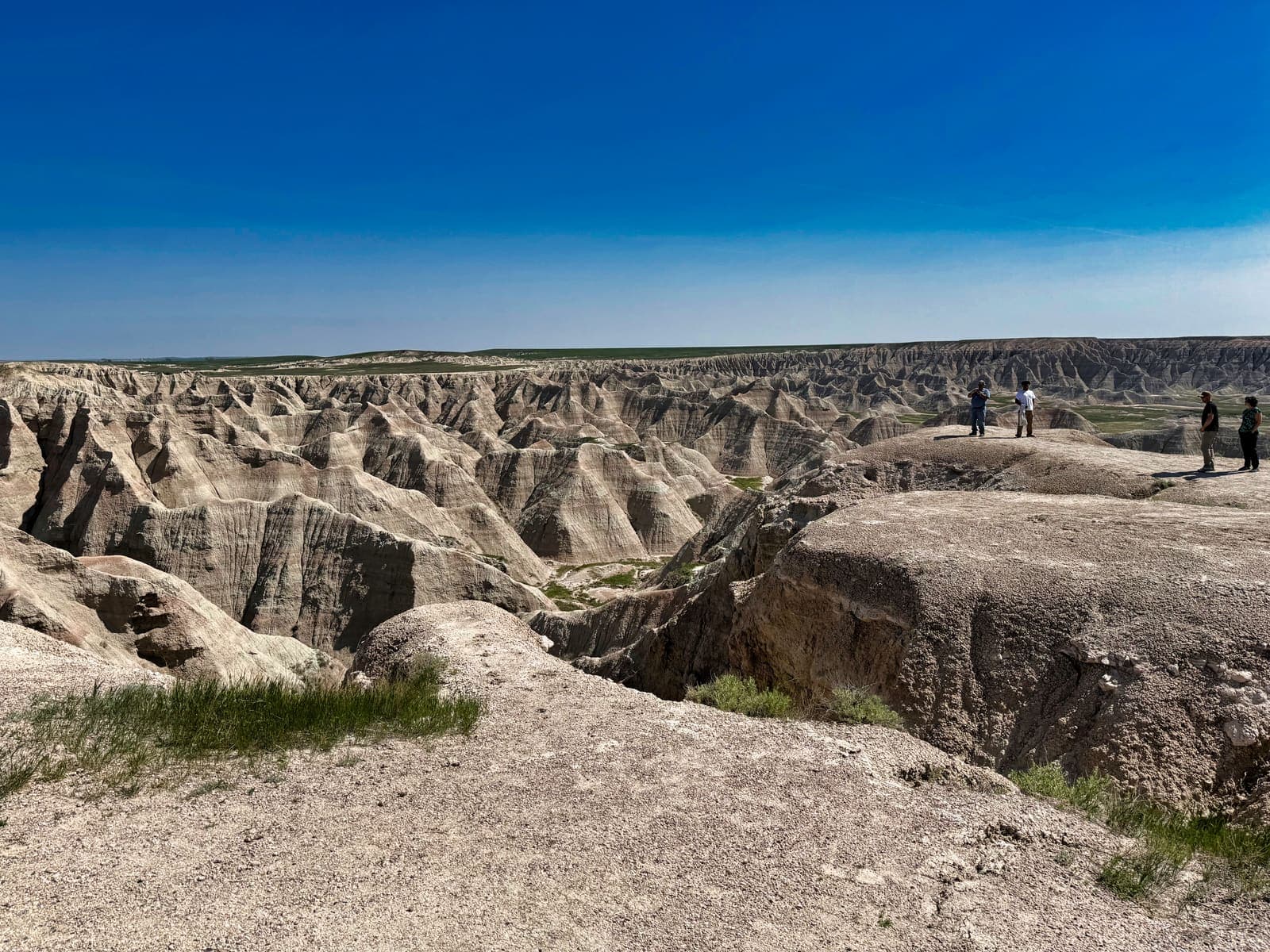
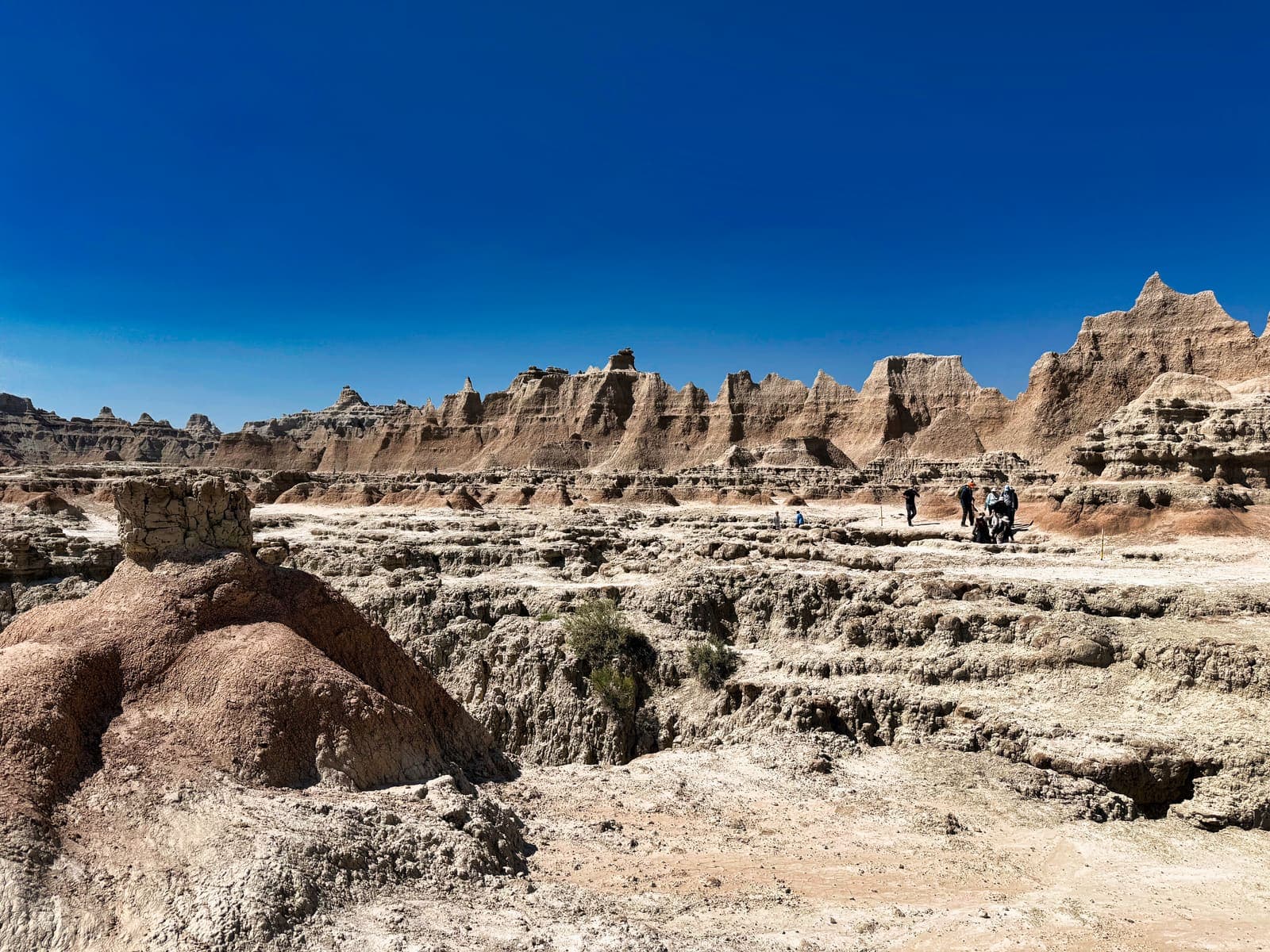
I drove into the Badlands on a day that didn't know what it wanted to be. Cracked ground under my boots. Jagged formations rising out of the earth like teeth. Layers of rust and ash and cream stacked on top of each other for as far as I could see.
The heat was already rolling. The wind had a bite to it. Prairie grass in the foreground and nothing kind behind it.
I pulled off at a turnout and climbed a ridge, and that's when the sky changed. Fast. One minute it was blue. The next, a wall of gray moved in from the north. The temperature dropped. The light shifted. The wind picked up so hard it pushed me back a step.
I stood on that ridge watching a storm build out of nothing. The Badlands don't warn you. They change.
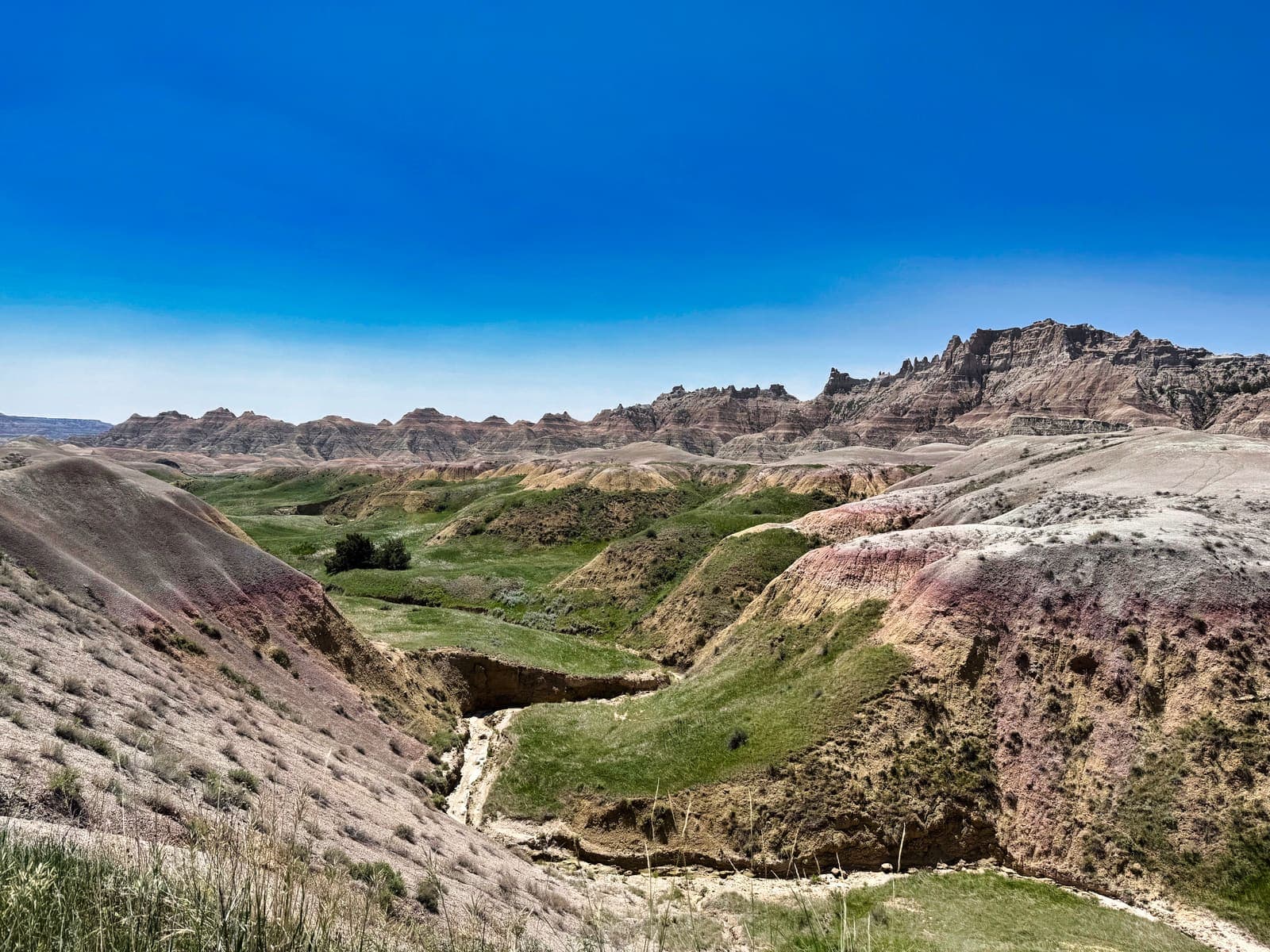
And then I looked down at my feet. Prairie grass. Right where I was standing. Alive. Green against the rock, in the wind, under the gathering sky.
It wasn't tough. It wasn't fighting anything. It had just built its roots deep enough to hold when the conditions turned.
Every piece of life surviving out here built before the season demanded it... The ones that couldn't adapt are gone. The rock is full of them.
The Badlands don't soften for the unprepared. They reward the ones who built before the season turned.
You've been here.
Stared at the strategy doc you've been meaning to build for six months while another fire pulled you into another meeting.
Said you'd write the decision-rights framework once you had a free afternoon, then handed out seven ad hoc rulings that contradicted each other instead.
Promised yourself you'd coach the person who keeps escalating everything to you, then answered their questions one more time because it was faster than teaching them.
Watched the storm moving in on the quarter and told yourself you'd batten the hatches next week.
Next week became next month. Next month became right now. And you still haven't built a thing.
That isn't bad luck.
That's the cost of leading from grit instead of groundwork.
1. Harsh Conditions Don't Require Harder Leaders. They Require Prepared Ones.
Here's the part most leaders refuse to hear. You think the answer to a harder season is a harder you. Stay up later. Absorb more. Push through. Grind a little meaner.
That's not leadership. That's attrition in slow motion.
Nothing out here in the Badlands survives by being the toughest thing in the wind.
The bighorn sheep don't muscle their way up impossible cliffs. Their hooves were built for that rock. Split. Grip. Designed. The prairie grass doesn't wrestle the storm. It was rooted before the storm arrived. The layers in the rock didn't form because the ground tried harder. They formed because something was laid down, one layer at a time, for tens of millions of years.
I've caught myself confusing exhaustion with endurance. Thinking I was leading through a hard stretch because I was running harder inside it.
But running harder in a harsh season doesn't make you more prepared. It makes you more tired in the same spot.
The most reliable person on your team, the one who always picks up the slack when things get ugly? She's not a superhero. She's compensating for a structure that was never built for this kind of weather.
The one who keeps volunteering to work the weekend, take the call, patch the gap? He isn't more committed than everyone else. He's carrying load a prepared system would carry for him.
Preparation is not weakness. Preparation is the deepest form of respect for the people who are going to run into the weather with you.
2. The Season Won't Wait for You to Be Ready. Build Now.
Here's what I had to sit with on that ridge. The storm didn't check to see if I'd brought a jacket. It just came.
Most leaders I know, myself included, have been waiting for a calm stretch to do the real work.
The calm stretch isn't coming. The team keeps growing. The market keeps shifting. The volunteer base keeps turning over. The expectations keep tightening. The demands keep compounding.
If you wait until the season feels right to build your playbook, you will die in draft mode.
The time to build the standard is before the standard gets tested. The time to clarify who makes the decision is before the decision gets urgent. The time to write the expectations down is before the expectations get broken and you have to pretend you had them all along.
I've had to sit with the number of initiatives I talked about building and never built. The onboarding template I said I'd finish in Q2. The delegation framework I outlined on a flight and never opened again. The rhythm I promised my team I'd protect and then canceled three times in a row.
The person who has been on your team for nine months and still doesn't know what winning looks like in their role? That's not a performance problem. That's a preparation debt you've been refusing to pay.
The one who brings you the same five questions every week because you've never written the answers down? That's not their problem. That's yours.
The Badlands teach this by force. Everything you see alive in this landscape built when it could, not when it felt like it.
3. Surviving Isn't a Leadership Strategy. It's a Sign You Started Too Late.
Let me land this one straight. If your leadership this year has mostly felt like surviving, that is information. Not about how hard the season is. About how little was built before the season arrived.
Surviving is what happens when you are asked to produce something the structure underneath you was never built to produce.
And most leaders will read that sentence and hear it as an accusation. It isn't. It's an invitation.
Because the moment you stop calling survival a strategy, you start asking a better question. What do I actually need to build so we are not doing this again in six months?
The Badlands are not forgiving to creatures that improvise every day.
Improvisation is exhausting. Structure is calm. Improvisation is loud. Structure is quiet. Improvisation feels heroic in the moment and feels like erosion over time.
The person who keeps telling you they just need more time to adjust, more context, more direction, more anything? They're not slow. They're working inside improvisation you've been passing off as a system.
The one everyone goes to before they come to you because your answers are inconsistent depending on the day? That's not loyalty to them. That's your team routing around a structure that doesn't exist.
You are not failing because the conditions are harsh. You are tired because you've been producing structure on demand, in real time, while the wind was already here.
That is not sustainable. And the Badlands will show you what happens to anything that tries to live that way.
Grit Gets More Expensive
Your people stop growing because they're spending every ounce of energy just staying upright.
Your decisions stay inconsistent because you're making them from depletion, not design.
Your best people get tired of translating your in-the-moment rulings into something workable.
Your culture becomes whatever the loudest crisis of the week shapes it into.
Your credibility erodes every time you say you'll build something and don't.
And you spend another year telling yourself you'll do the real work once things calm down, while the real work keeps getting more expensive to build.
But when you build before the season demands it?
The storm still comes. The wind still bites. The conditions still shift. But the structure holds. Your people know where to stand. Your team moves through the hard stretch instead of bracing against it.
And the leadership that was eating you alive in survival mode starts working for you instead.
Build in the Weather You Have
You wanted to build something that could handle what the world was actually going to throw at it. A team that didn't shatter when things got hard. A culture that could take a punch and keep its shape.
Somewhere along the way, you got busy surviving. You started treating the playbook like a luxury you could afford later. You started telling yourself you'd build the system on the other side of the current crisis.
And the current crisis never ended. It just changed outfits.
Not because you're weak. Because you were never handed the time-math that actually works for leaders in hard seasons.
The math says: the two hours you don't think you have are the two hours that will give you the next twenty back. The math says: the playbook you keep postponing is the thing that stops the hemorrhage, not adds to it. The math says: build before the storm, or spend the storm wishing you had.
Stop waiting for calmer weather. Start building in the weather you actually have.
Thirty Minutes on Paper
Pick one thing you've been surviving on instead of building.
The expectation you keep restating every week because it's never been written down. The decision rule you keep reinventing because it's never been set. The role expectation that lives in your head but has never landed in theirs.
Give it 30 minutes this week. Not an hour. Not a retreat. Not a task force. Thirty minutes.
Write it down. One page. Share it with the one person most affected by not having it.
Then ask yourself: what just got easier the second that existed on paper instead of in my head?
That answer is the beginning of a playbook.
Nothing out here in the Badlands got tougher. Everything alive got prepared. You can too.
You don't need a new personality.You need to see the pattern.
If this note showed you a pattern you recognize, Clarity First is where you learn to catch it before it fires.
See Clarity First

Founder, Lead Differently
The Lead Differently movement. For leaders who got the position without the playbook. Built around how you're actually wired.