Stop Rushing and Start Seeing:Congaree's Quiet Forest
You're not overwhelmed because you're incapable.
You're overwhelmed because you're moving too fast to see what actually matters.
We treat speed like a leadership superpower.
We glorify it.
We brag about it.
We use it as proof that we're "on top of things."
But here's the thing:
Speed is blinding.
And if you can't see clearly, you can't lead clearly.
Most leaders believe the answer is more.
More effort. More hours. More content. More hustle.
Just grind harder and eventually it'll click.
That's the trap.
It feels productive. It feels noble. It feels like leadership.
But it's not.
It's speed without a playbook.
And speed without a playbook isn't strategy... it's survival mode.
You don't need to work harder.
You need a way of leading that's built around how you're actually wired.
A playbook. Your playbook.
Because the fastest path to leading well has never been more effort.
It's the right system.
The Forest That Didn't Match My Pace
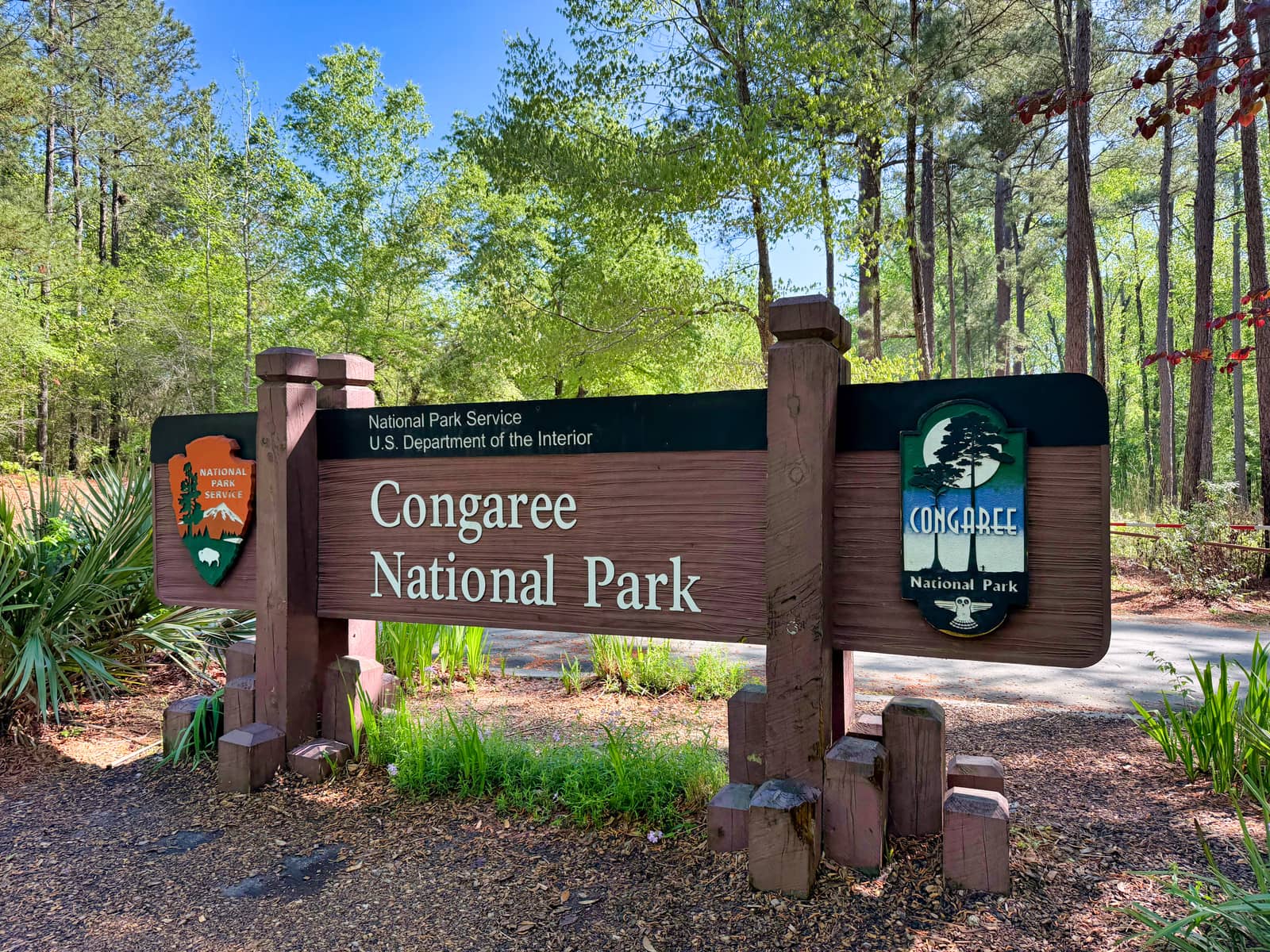
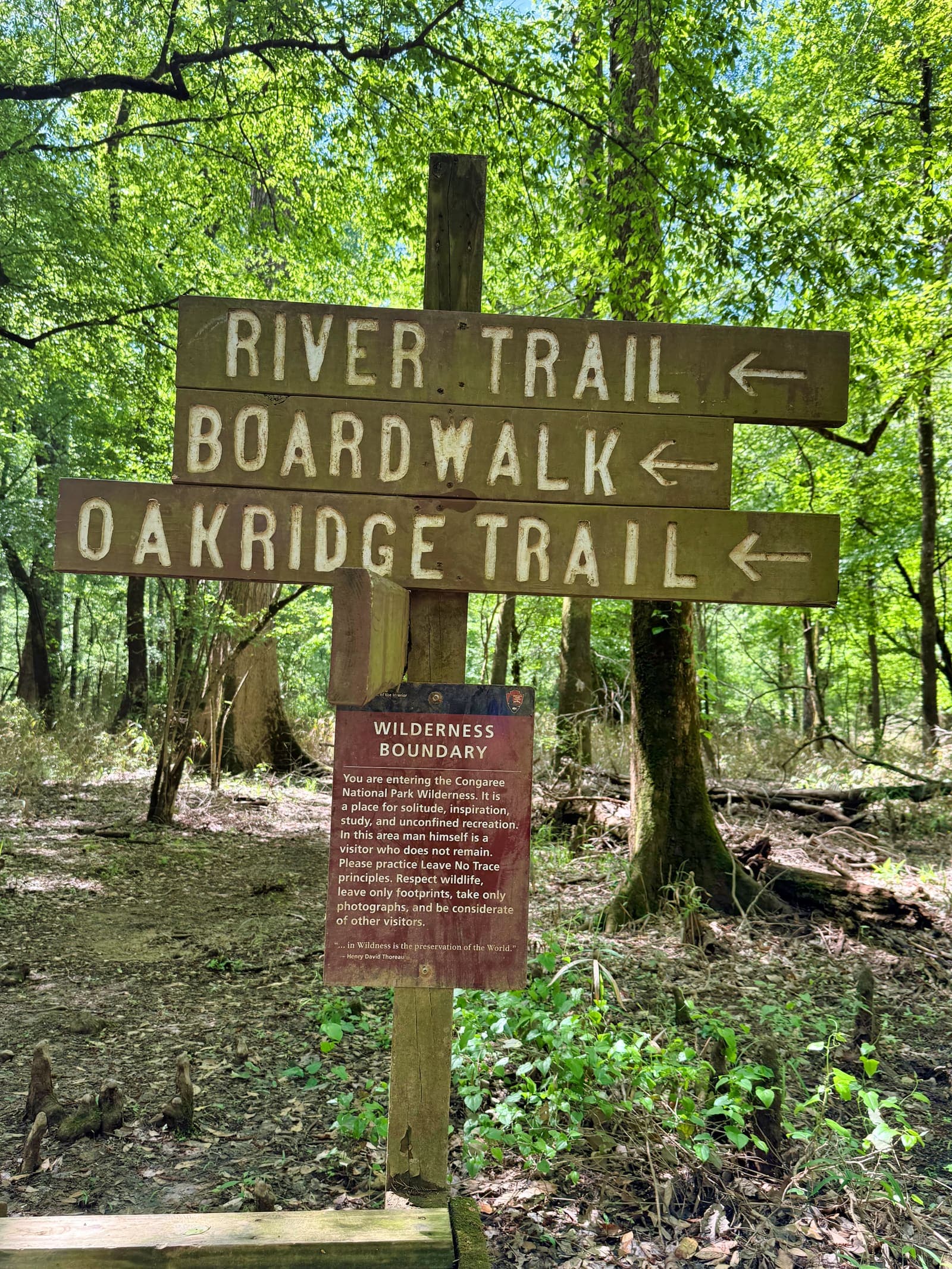
I walked into Congaree National Park the same way I walk into everything.
Fast.
It wasn't intentional. It was habit.
Like somehow my worth was tied to how efficiently I could experience a national park.
But Congaree doesn't reward efficiency.
It rewards attention.
It's an old-growth floodplain forest, home to national and state champion trees, the biggest known of their kind. You can walk right past them.
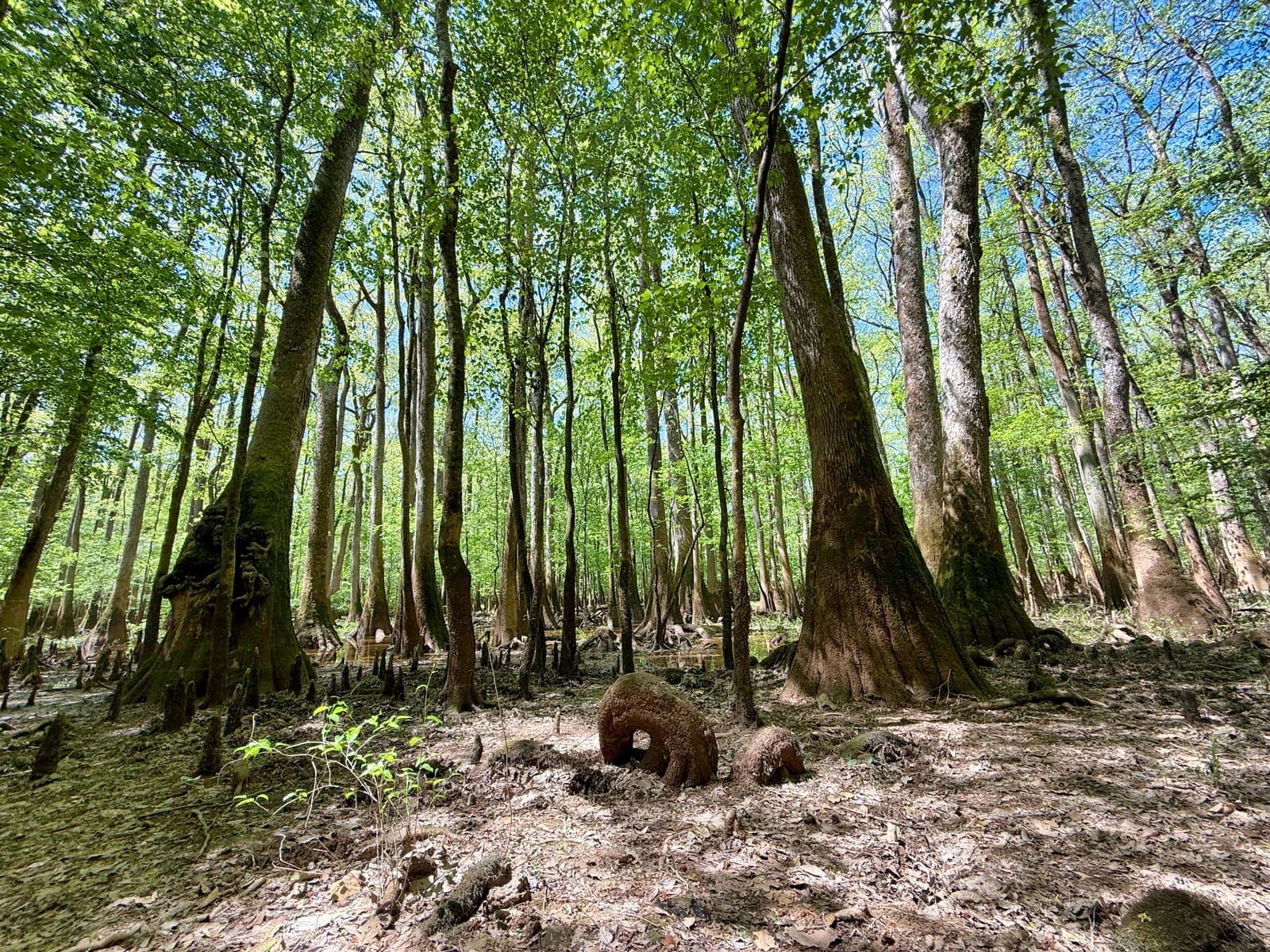
The first thing I noticed was the silence.
Not the eerie kind... the healing kind.
The kind your nervous system recognizes before your brain does.
I started the trail fast. Obviously.
Head down. Moving. Covering ground.
And then... the forest slowed me down.
Not with a sign. Not with a trail marker.
With stillness.
The moment I matched the pace of the place I was actually in... everything shifted.
The owl I'd walked right past 30 seconds earlier.
The reflection of trees on dark, still water.
The soft tapping of something tiny moving behind me.
The smell of damp earth... strong, grounding, real.
None of it existed for me when I was rushing.
But the moment I slowed down?
Everything sharpened. Everything revealed itself.
And the lesson hit me like a wall:
If you never slow your life down, you will never see your life clearly.
You've done this. I know you have.
Sprinted past the hesitation in someone's voice.
Ignored the tension in the room because stopping would mean feeling it.
Told yourself you'd deal with it later.
Except later never comes.
And when the problem finally explodes... you act surprised.
But you're not. Not really.
Because somewhere in the back of your mind, you knew.
You just couldn't hear it over the noise of your own pace.
You're not missing things because you're a bad leader.
You're missing things because nobody ever gave you a playbook that tells you where to look.
So you do what every leader without a playbook does.
You run faster and hope it works.
It doesn't.
It never did.
1. Speed Is a Shield, Not a Strategy
A lot of leaders use speed to avoid discomfort.
If I move fast enough, I don't have to feel what's happening.
If I move fast enough, the hard conversation can wait.
If I move fast enough, maybe the problem solves itself.
Except it never does.
Speed doesn't solve problems. It hides them.
And the longer you hide them, the bigger the explosion when they finally surface.
Think about the last time you said "I don't have time for this right now."
What were you actually saying?
Probably: "This is uncomfortable and I don't want to deal with it."
The meeting you postponed. The feedback you softened until it meant nothing. The person on your team who's been checked out for three months and you keep telling yourself it'll sort itself out.
It won't.
Not without a different approach.
Not without a playbook that helps you see these things before they become emergencies.
I didn't need to work harder in Congaree.
I needed to work differently.
Same thing is true in your leadership.
2. Subtle Signals Are Data, Not Background Noise
The hesitation in someone's voice.
The slight shift in tone during a 1:1.
The way a team member goes quiet in a meeting they used to own.
The gut instinct that whispers instead of shouts.
These aren't coincidences. They're data.
They're the early-warning system for your leadership.
But you can't read data you're sprinting past.
Most of the time, people check out long before their leader notices.
Not because the leaders are bad.
Because the leaders are busy.
And busy without a system for reading the room?
That's how you lose your best people.
Not in a blowup. Not in a resignation letter.
In the slow, silent drift that happens when someone stops trying to be heard.
By the time you notice... they're already gone.
Mentally, emotionally, or literally.
The signals were there the whole time.
You just weren't still long enough to see them.
Busy isn't a badge. It's a blindfold.
3. Seeing Comes from Paying Attention, Not Grinding Harder
Say it again for the high achievers in the back.
Seeing what matters isn't a reward for effort.
It's the result of awareness.
Your best insights won't come when you're pushing.
They come when you pause.
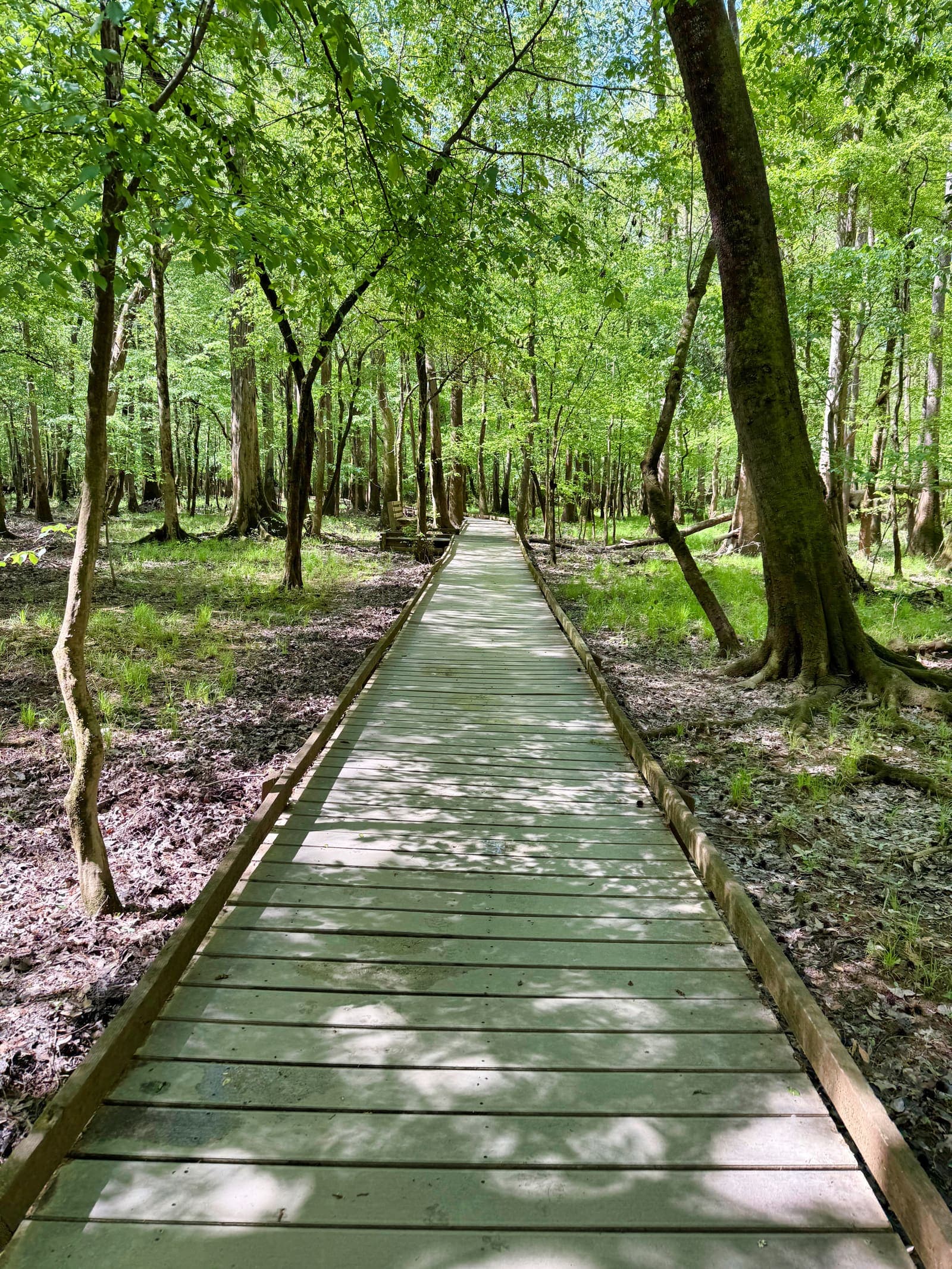
Halfway through the Congaree boardwalk, I hit a long stretch over still, dark water.
Something in me said, "Stop."
So I did.
No walking. No planning. No thinking about the next thing.
Just breathing.
Five seconds. Ten seconds. Thirty seconds.
And in that brief pause... not some hour-long meditation, just a pause... I heard the question I'd been avoiding:
Where am I rushing past the things I most need to see?
That question hit so hard I put my hands on the railing.
Because I knew the answer immediately.
And you probably do too.
We think the danger is slowing down.
But the real danger is never stopping long enough to confront what we already know.
We're tired.
We're distracted.
We're reacting instead of leading.
We feel off but pretend we don't.
Congaree wasn't quiet.
I was finally quiet enough to hear myself.
What you need to see is right there. You're just too busy to see it.
The Case for Slowing Down
Let's quit pretending that slowing down is indulgent.
Slowing down is responsible.
Slowing down is strategic.
Slowing down is what prevents you from:
Snapping at people in the Monday standup.
Making reactive decisions that undo three weeks of progress.
Missing the emotional cues that would've changed everything.
Overcommitting. Micromanaging. Burning out.
Or drifting so far off course you can't recognize yourself anymore.
But when you slow down?
You listen better. You think cleaner. You lead calmer.
You become someone your team actually trusts.
Seeing clearly changes the entire emotional climate around you.
Because when the leader is clear, everyone else can finally breathe.
Running on Speed
Most leaders don't fall short because they lack ability.
They fall short because they lack visibility.
You've been running on effort and instinct.
And it's gotten you this far.
But "this far" isn't where you want to stay.
You got the title without a playbook.
So you've been running on speed, because speed was the only tool you had.
And you're exhausted.
The shift is from "I'm doing everything I can" to "I finally see what's been going on."
Pause Once and Look
We're not just reflecting. We're taking action.
Choose one moment to slow down. Intentionally.
Not your whole day. Not a retreat. Not a time-blocked sabbatical.
Just one moment.
A meeting. A conversation. A decision. A walk. A breath.
Ask yourself one question:
What am I missing right now?
That's it. Simple. But powerful.
Because the moment you ask that question and give yourself even 10 seconds of stillness... your brain starts surfacing what you've been blind to.
Write down what you notice.
If you don't, your brain will pretend it never happened.
Capture it. Honor it. Act on it.
This is how seeing starts.
Not with massive change.
With micro-pauses that reveal what's been waiting for you to slow down long enough to see.
Congaree wasn't quiet.
I was finally quiet enough to hear myself.
Your turn.
You don't need a new personality.You need to see the pattern.
If this note showed you a pattern you recognize, Clarity First is where you learn to catch it before it fires.
See Clarity First

Founder, Lead Differently
The Lead Differently movement. For leaders who got the position without the playbook. Built around how you're actually wired.