Stop Leading from the Surface:Biscayne's Hidden Reef
Most leaders have no idea how much they're missing.
Not because they're careless.
Not because they don't try.
Because they never go below the surface.
Most leaders land on the same explanation:
"My team is the problem. If they would just step up, communicate better, take more ownership... everything would be fine."
It sounds reasonable.
It feels true.
And it keeps you stuck in the exact same place... indefinitely.
Because the moment you decide your team is the issue... you stop looking at the one thing you can actually change.
You.
Not your effort. Not your hours. Not your grind.
The way you lead. The depth at which you lead it.
You were never given the tools to lead at the depth your team actually needs. And that changes everything.
Biscayne Looks Like Nothing Until You Look Into It
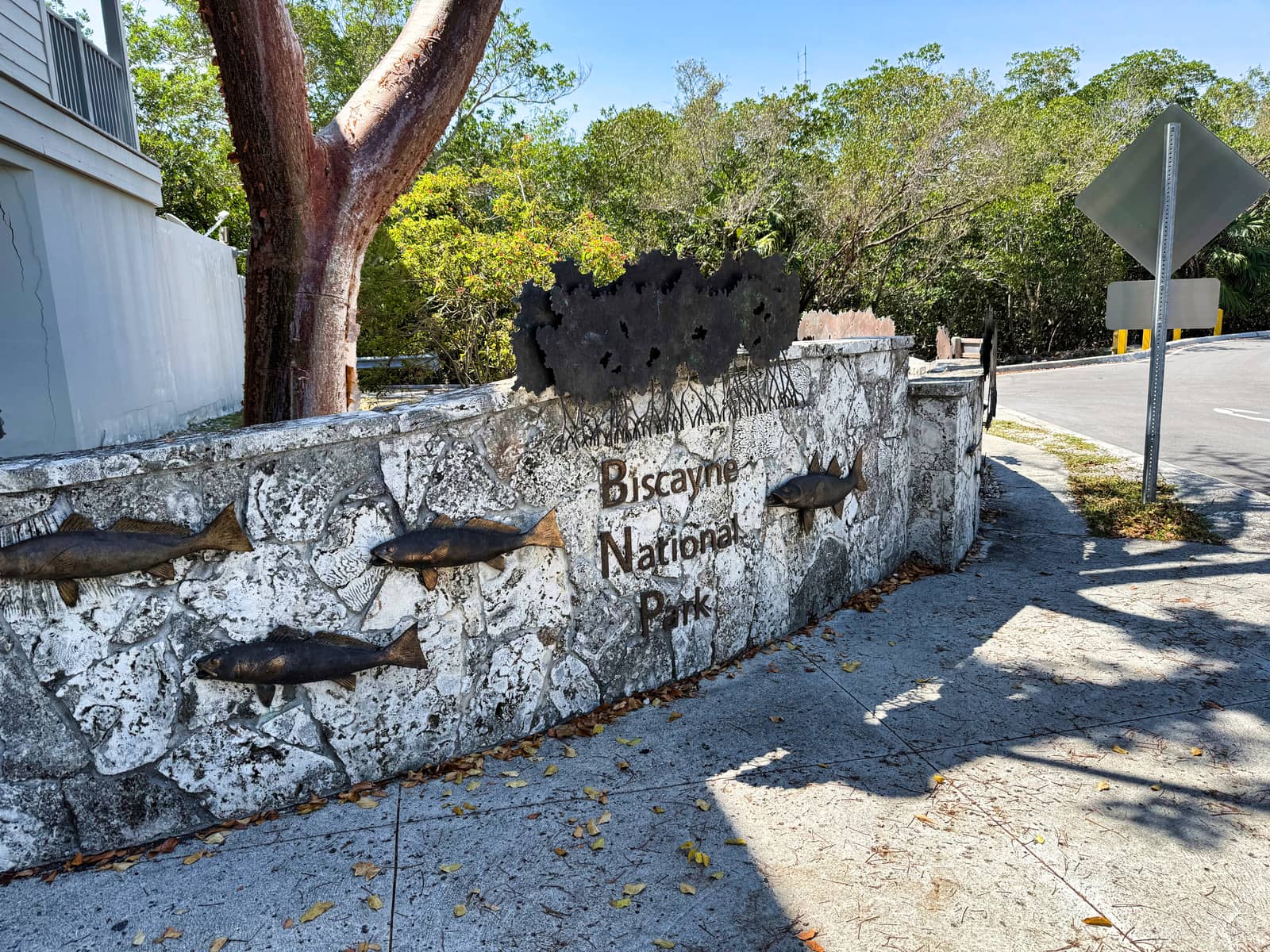
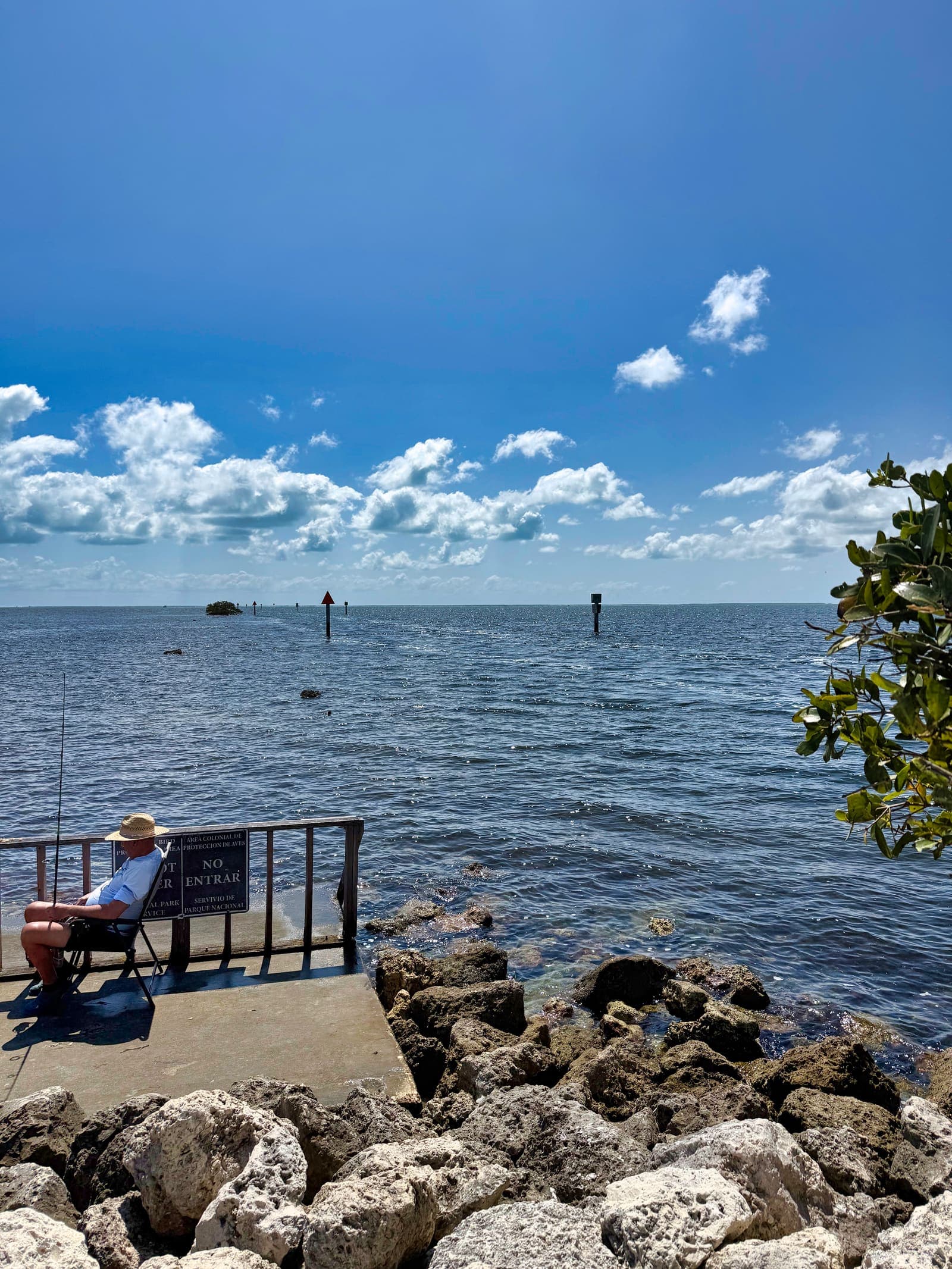
When you first arrive at Biscayne, you think you might be in the wrong place.
There are no towering cliffs. No dramatic overlooks. No trailhead that dares you to conquer something.
Just water.
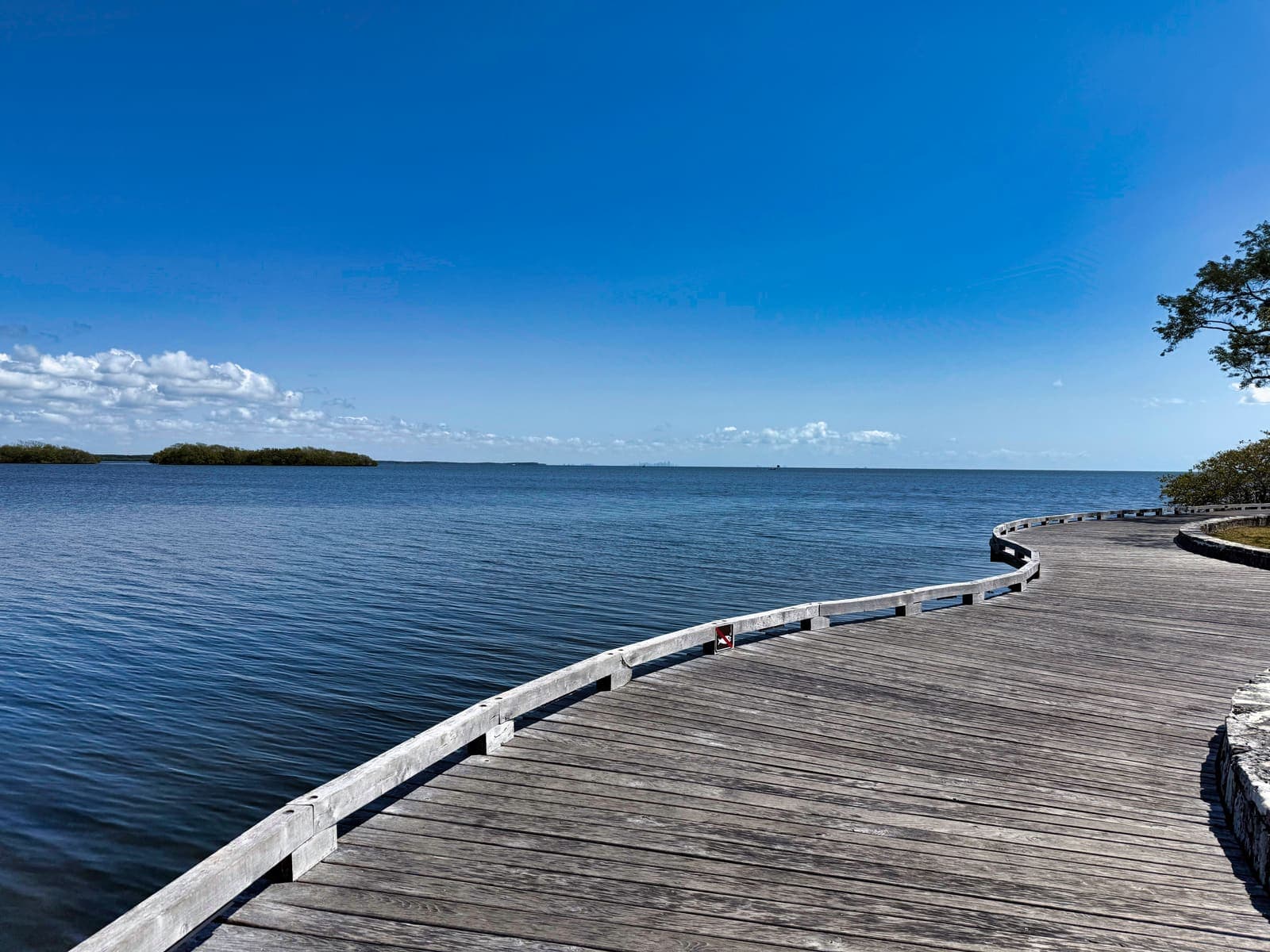
A quiet, glassy bay stretching toward the horizon.
Smooth. Still. Almost boring.
I stood at the edge of the water and thought... is this it?
Biscayne is 95 percent water. Almost everything that makes it extraordinary exists beneath that surface. Coral reefs. Sponges. Nurse sharks. Sea turtles. Most of the reefs lie out on the park's ocean side, a boat ride from the shore. Ecosystems so complex and alive you can't believe you were looking right past them.
From the shore, you'd think there's nothing here worth stopping for. That's the trap. And that's the lesson.
And then I got in the water.
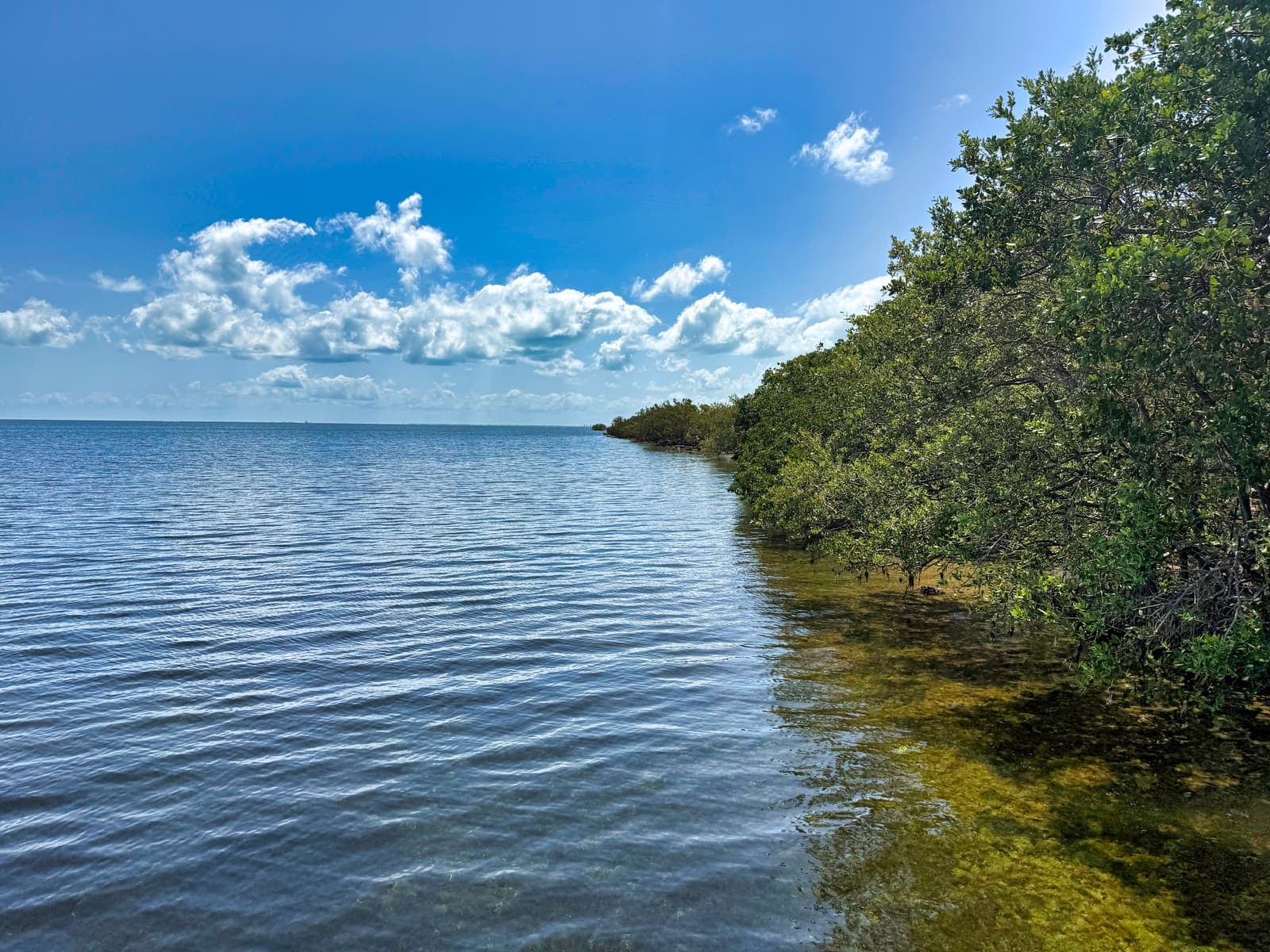
I remember snorkeling above a reef... breathing slowly... watching parrotfish dart between coral heads. The water was warm. My own breathing was the loudest thing I could hear. Everything else was movement and color.
Vivid.
Unfiltered.
Undeniable.
Colors I didn't expect. Life I couldn't see from above. An entire world thriving in silence... under water that looked like nothing from the shore.
On land, I would have believed the water was empty.
In the water... the truth was impossible to miss.
And a thought hit me so clearly I almost stopped kicking:
This is what's happening inside your team every day... and you've been leading as if the surface is the whole story.
You've Done This
You know exactly what I'm talking about.
Taken silence at face value. Assumed alignment because nobody pushed back. Asked a safe question instead of a real one.
Someone said "I'm fine" and you didn't ask again.
You saw a hesitation... and kept moving because slowing down felt like losing ground.
You've been moving fast, making decisions, running meetings, checking boxes. And the whole time, the real conversation was happening underneath the one you were having.
Not because you don't care. You care deeply. That's what makes it so frustrating when things fall apart and you didn't see it coming.
That's not a character flaw.
That's what happens when you were handed a title but never handed a playbook for building real trust.
1. It's a Depth Problem, Not a People Problem.
Your quiet employee isn't tired. She's overwhelmed and doesn't know how to say it.
Your agreeable team member isn't aligned. He's afraid to speak up.
Your silent meetings aren't peaceful. They're psychologically unsafe.
The confident "yes" wasn't confidence. It was pressure.
You've been reading the surface like it's the whole story. Interpreting politeness as progress. Taking quick answers as honest answers. Watching the water from the dock and calling it clear.
But politeness is not trust. Speed is not depth. Silence is not agreement.
Leaders assume the surface is honest. Experienced leaders know the surface is polite.
And the gap between those two is where teams quietly fall apart... and leaders don't see it coming because everything looked fine from above.
Think about the last time someone on your team surprised you. Left without warning. Blew up in a meeting. Shut down for a week. You didn't see it coming... not because it wasn't there, but because you were reading the surface and the surface was lying to you.
That's the cost of shallow leadership. Not bad intentions. Incomplete information. Decisions built on what people showed you... instead of what was actually going on.
And every time you make a decision based on surface data... you reinforce the pattern. Your team learns that the surface is all you're looking for. So they keep giving you the surface. The cycle doesn't break until someone decides to go deeper. That someone is you.
2. The Real Information Lives Where You Haven't Looked Yet
If your team answers instantly, you probably haven't asked a question deep enough to matter.
"What else is going on here?"
"What's underneath that?"
"What are we not talking about?"
"What feels risky to say out loud right now?"
These aren't therapy questions. They're leadership questions. And most leaders never ask them because nobody modeled what it looks like to stay in the discomfort long enough for the truth to surface.
People don't open up because you asked a question. They open up because you stayed long enough to hear what they were actually trying to say.
The reef doesn't reveal itself from the dock. You have to go out to it, and then you have to get in the water.
And once you're there... you have to stay. Not rush back to the surface because the silence felt awkward. Not fill the space with your own interpretation. Not take the first answer and move on because you have twelve other things on your list.
Depth requires patience. And patience in conversation is one of the most undervalued leadership skills that exists.
The information that changes everything... is always one layer deeper than where you've been looking.
3. The Missing Playbook Is the Real Problem.
Nobody taught you how to lead at depth.
Nobody handed you a system for building psychological safety. For asking the questions that surface the truth. For creating rooms where people stop performing and start participating.
So you did what every leader does without that playbook... you skimmed. You stayed at the surface because the surface was all you knew.
Not because you didn't care. Because you didn't have the tools to go deeper.
Think about it this way: you wouldn't blame a diver for staying on the dock if nobody gave them a mask and fins. That's what happened to your leadership. You were expected to see everything clearly... from above the waterline... with no equipment.
Your team isn't broken. Your people aren't the problem.
The absence of a playbook is the problem.
And the moment you stop blaming the people and start building the system that gives you depth... everything shifts. Trust doesn't just improve. It transforms. Because people stop telling you what you want to hear and start telling you what you need to know.
Polite Silence
Surface leadership feels efficient. Fast meetings. Quick decisions. No conflict. Clean inbox.
But it compounds in the wrong direction.
Engagement drops. Trust erodes. The best people leave and you're blindsided every time... because you were reading the water from above and never from inside it.
The quiet resignation. The passive-aggressive emails. The meeting after the meeting where people say what they actually think. That's all surface leadership coming home to roost.
The cost isn't one bad meeting. It's a culture built on polite silence where nobody tells you the truth until it's too late to do anything about it.
And the worst part? You'll never know what you missed. Because the surface always looks calm.
Standing Above the Water
You went into leadership because you cared about people.
Somewhere along the way, the pace picked up and the depth dropped off.
Not because you stopped caring. Because the system around you rewarded speed over depth, answers over questions, confidence over curiosity.
And now you're standing above the water... wondering why things feel stuck. Wondering why people keep leaving. Wondering why the team that looks good on paper feels off in real life.
Biscayne reminded me of something I needed to hear:
The truth is always underneath. And the leaders who go there first... those are the ones people actually trust.
Not the loudest. Not the busiest. Not the ones with the best strategy deck.
The ones who look into the water instead of standing above it.
The ones who stay long enough for the real story to surface.
Ask the Second Question
Think of one conversation you've been having at the surface.
Just one.
Now ask yourself:
What is the question I've been avoiding?
What is the truth I suspect but haven't explored?
What might be happening underneath that I haven't named?
This week, go deeper. Ask the second question. Sit in the silence long enough for the truth to show up.
Write it down. One conversation. One deeper question. This week.
The surface never tells the full story.
The leaders who get that... change everything.
You don't need a new personality.You need to see the pattern.
If you just named the question you've been avoiding, Clarity First is where you learn to see the pattern that keeps you at the surface.
See Clarity First

Founder, Lead Differently
The Lead Differently movement. For leaders who got the position without the playbook. Built around how you're actually wired.