Stop Leading Alone and Let Others In:Voyageurs' Shared Waters
The loneliest leaders aren't the ones nobody follows.
They're the ones who stopped hearing the people in their own boat.
The old model told you leadership is a solo sport.
Know the answer. Carry the plan. Be the one who figures it out before the meeting starts.
If you ask your team what they see, they'll think you don't know.
If you need another set of eyes, you must not have the eyes.
So you decided alone.
You carried alone.
You overthought alone.
You walked into the meeting having already made the call, because asking out loud felt like admitting you didn't know.
And somewhere along the way, the people around you stopped offering.
Not because they stopped caring.
Because you kept showing them you didn't need them.
That's where Voyageurs comes in.
The Morning the Water Showed Me I Didn't Actually Trust Anyone
You can hike Voyageurs.
But it's a park you paddle.
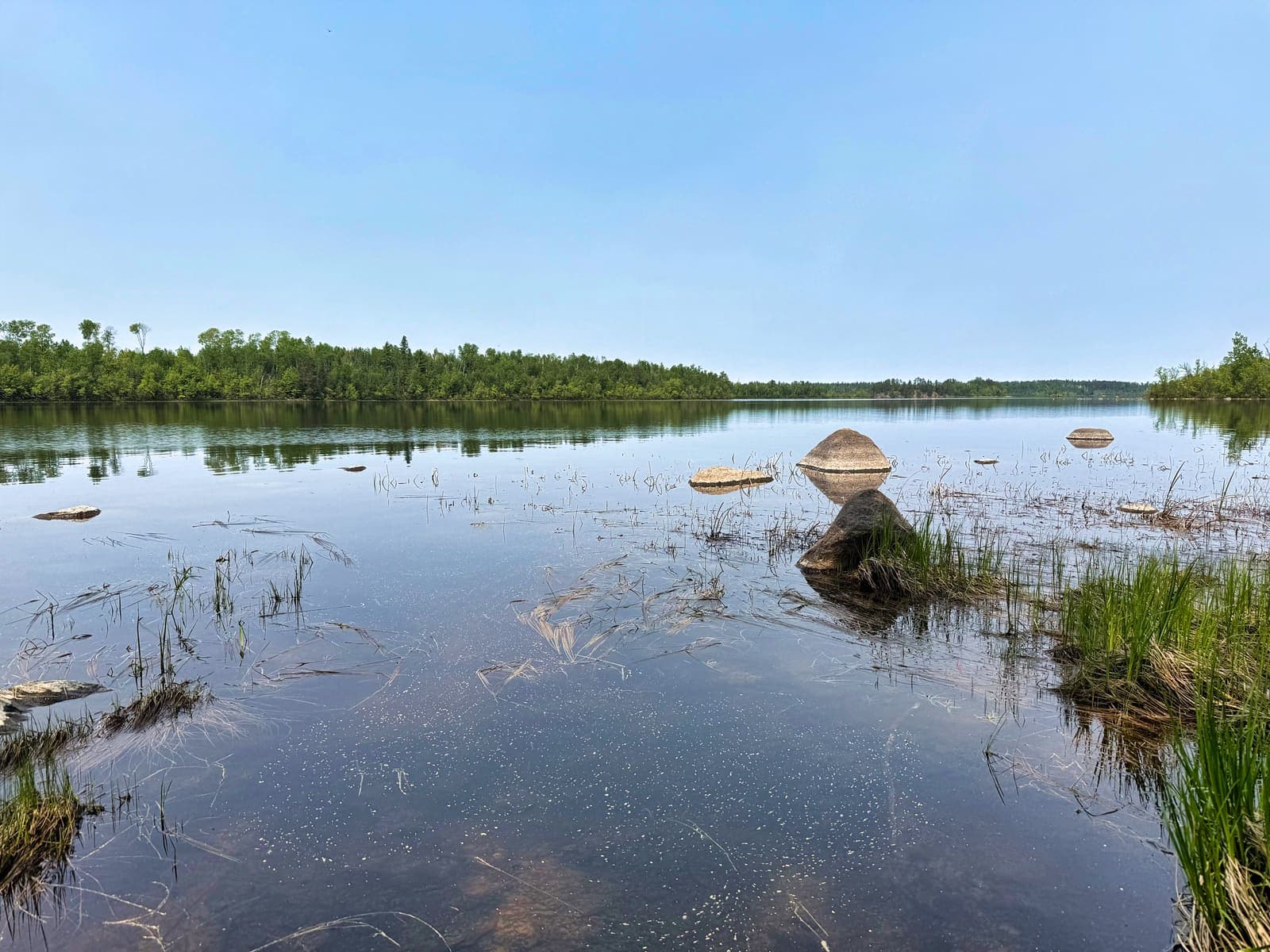
Lakes, channels, islands, inlets, all stitched together with water that looks the same in every direction.
I pushed off from the shore on a cool morning in northern Minnesota.
Loons somewhere off the bow.
Mist coming off the water in thin ribbons.
A horizon that kept rearranging itself as we moved.
I like being prepared.
I like being competent.
I like knowing exactly where I'm going before I start moving.
And Voyageurs, within about forty minutes, stripped all three of those down to the studs.
The channels blended into each other.
Everything looked like the thing next to it.
Not a marker in sight.
No signs.
No 'go this way.'
The bow of the canoe kept drifting off line.
I was paddling hard. Harder than I needed to. Jaw clenched.
The wind was subtle, almost invisible, but it kept pushing us toward a rocky shoreline I could not afford to meet at that speed.
I was determined to correct it myself.
Determined to lead.
Determined to not be the guy who asked.
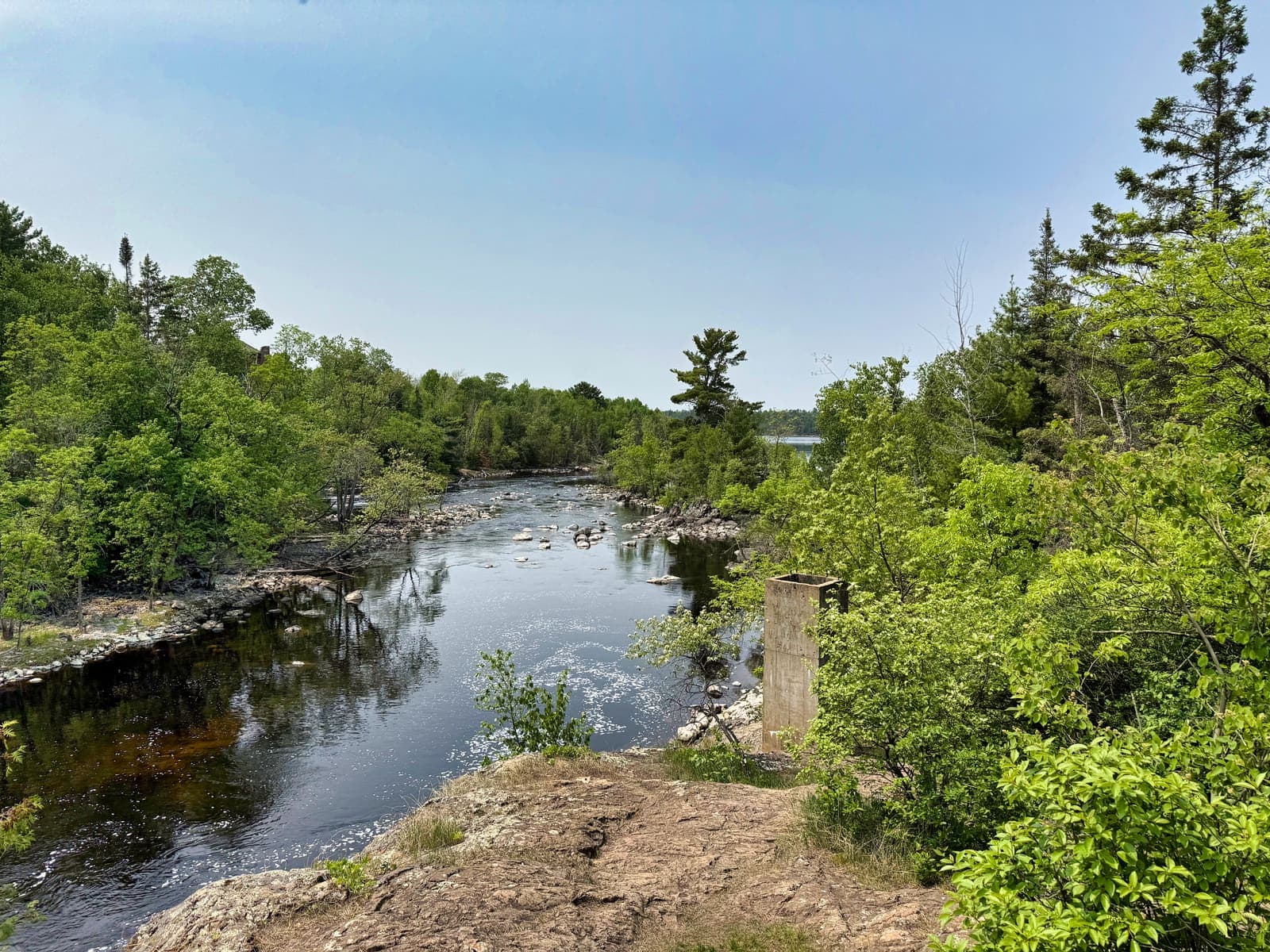
Then I heard it from the stern.
Calm. Not a judgment. Just perspective.
The kind of thing a good stern paddler says in that moment: We're fighting the wind. Let's adjust together. I can see our line from back here.
And something cracked open.
Not because I'd been failing.
Because I'd been refusing a perspective that was right there the whole time.
We pivoted.
The canoe realigned.
Not because I powered through it.
Because someone else saw what I couldn't, and I finally let them.
Nobody crossed this water alone. The voyageurs this park is named for paddled it in crews, in canoes the Ojibwe built.
You've had the decision you made by yourself in a hallway on a Tuesday when three other people could have sharpened it in five minutes.
You've sat with a strategy doc at eleven at night, convinced that the answer was hiding in there somewhere if you just stayed up long enough.
You've had the quarter that was slipping and you didn't tell anyone how bad it felt because saying it out loud felt like failing twice.
You've walked past the one person who has actually solved this problem before and told yourself you'd figure it out on your own.
You've been the leader on the call who nodded through everyone's input and then did what you were going to do anyway.
You've watched your right hand, the one who carries it when you're not in the room, quietly stop offering their read on things because they learned you weren't really asking.
You know the difference between leading with people and leading in front of them.
And you've caught yourself, lately, leading in front of them and calling it strength.
1. You Can't Navigate What You Can't See Alone.
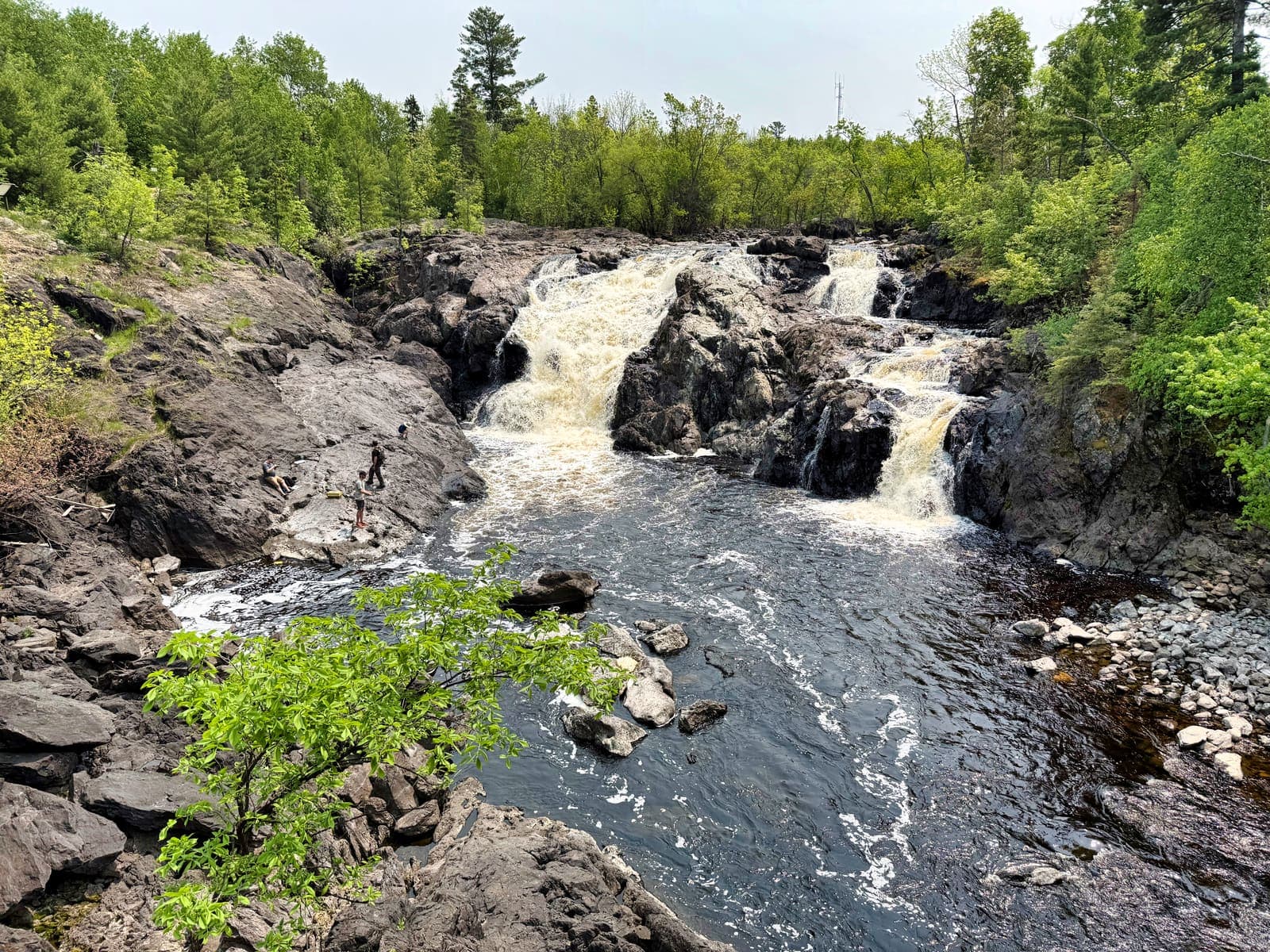
Start here.
In a canoe, the bow sees what's coming. The rocks. The shallows. The water ahead.
The stern sees something completely different. The angle of the boat. The line it's actually holding. Which way the wind is pushing it.
Neither seat sees everything. Each one sees what the other can't.
That is not a hierarchy. That is physics.
Leadership works the same way.
Your view from the front of the boat is real. It is also incomplete.
There are people on your team who can see the wind you're fighting.
The one who's been around long enough to recognize the pattern you're missing.
The quiet one who noticed two weeks ago what you're about to run into.
The person everyone goes to before they come to you... who already has the read on why.
You can spend entire weeks paddling into a shoreline you can't see.
Not because you don't have smart people around you.
Because you never asked them what the water looked like from where they were sitting.
Voyageurs doesn't reward the paddler who ignores the rest of the canoe.
It reveals them.
The harder you fight something you can't see, the more obvious it becomes that you've been trying to navigate alone.
Who on your team has been trying to show you what's pushing the boat this month, and you've been paddling harder instead of listening?
2. Your Team Already Sees It. You Just Haven't Asked.
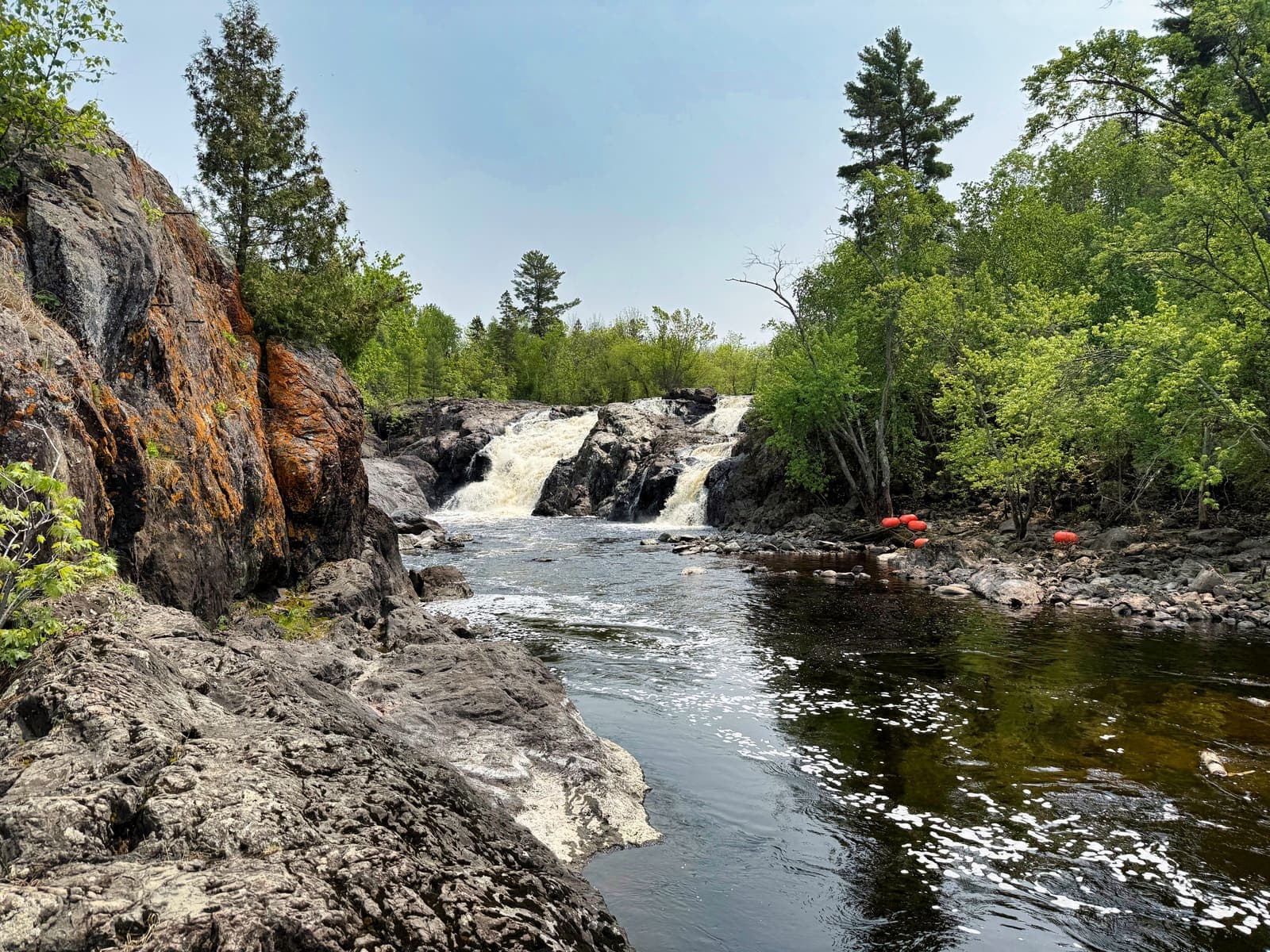
Let me tell you what the canoe handed me.
Most of the time, the person who can see what you can't is already in your boat.
It's easy to treat asking them as a status question.
If I ask, the team will wonder if I can do this job.
If I ask, my peers will file it as evidence.
If I ask, I'll hand over a piece of authority I can't get back.
So you don't.
Not really.
You run polished 'what do you think?' meetings where everybody knows you've already decided.
You invite input on the edges and protect the middle.
And the more you do that, the smaller the water gets around you.
Because leaders who don't ask end up leading a version of the problem they already know how to solve.
Not the version that's actually in front of them.
The fur traders who paddled Voyageurs didn't run those waters solo because they weren't tough enough.
They ran them in teams because the water was too vast, too unpredictable, and too costly to get wrong on a hunch.
A north canoe carried a crew of four to six, in a birchbark boat the Ojibwe built. Canoes traveled together in brigades.
They weren't being humble. They were being accurate.
The leaders I follow longest are accurate.
They ask the person who knows this stretch of water.
They ask before the meeting, not after the meltdown.
They put the right person in the right seat... and they act on what that person sees.
That is not weakness.
That is a leader who has learned the water is too big to read alone.
Where are you calling it independence when it's actually just you refusing to ask the person who could tell you?
3. Every Seat in the Boat Sees Something.
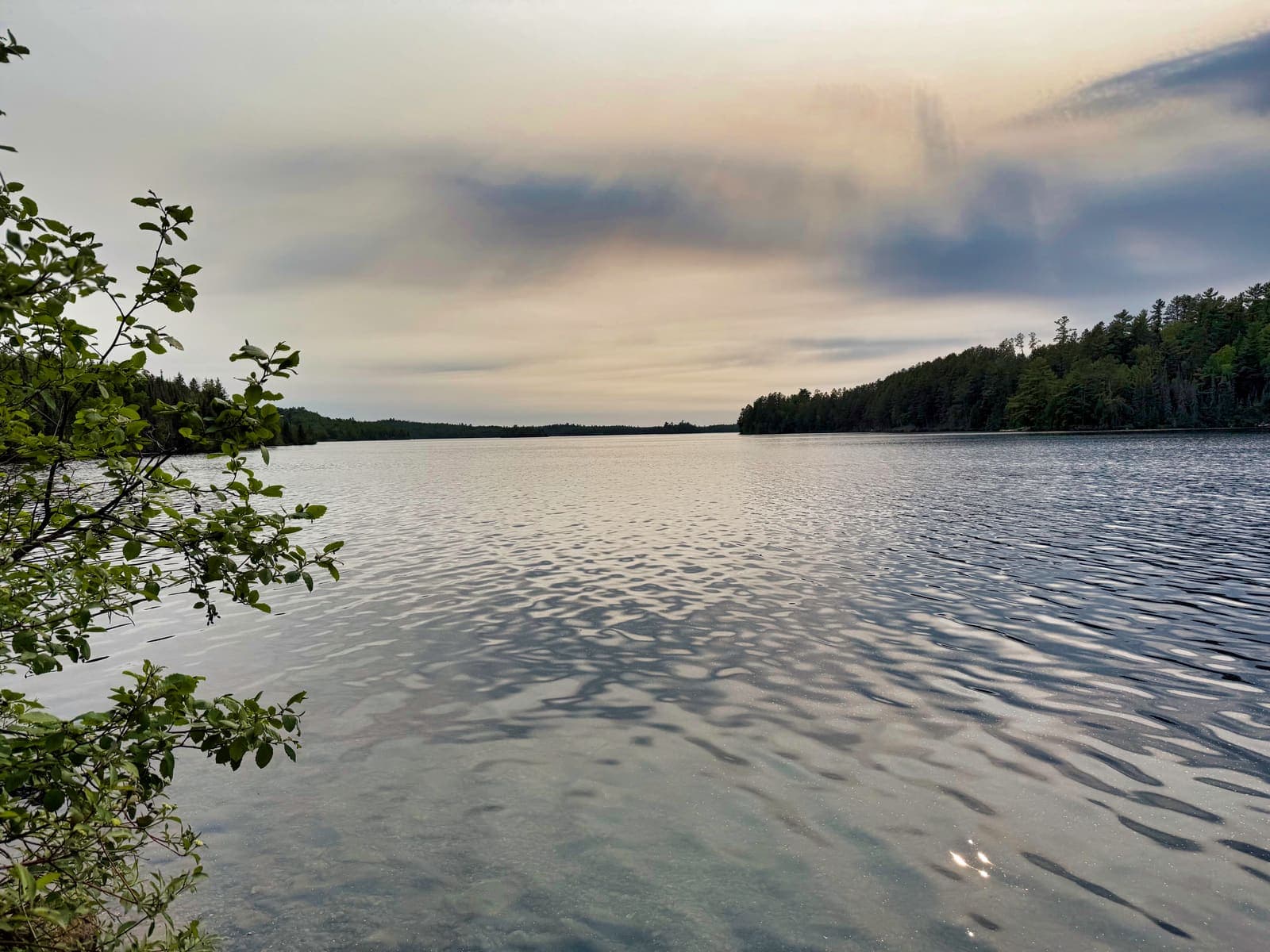
This is where it gets honest.
Plenty of leaders waste years trying to be the person who figures it out alone.
Not because nobody offered.
Because they keep telling themselves the next book, the next podcast, the next late-night search will get them there faster than the people already in the room.
It doesn't.
It just makes the trip longer.
The person in the stern of that canoe wasn't a better leader than me.
They were in a different position on the water.
That's what the people on your team are.
Not someone who replaces you. Someone sitting in a different seat, seeing what yours can't.
Your team is paddling with you, not instead of you.
The person beside you is spotting the rocks, not driving the canoe.
The person behind you is reading the line, not taking your paddle.
The leaders I trust the most don't pretend they invented the route.
They say, plainly, 'I didn't see this one. She did.'
'He caught that two weeks before I would have.'
And the teams around them move faster because the leader stopped pretending the map was all in their head.
Voyageurs taught me something most leaders resist for years.
The fastest way across big water isn't a harder paddle.
It's a second set of eyes, a better read of the water, and the humility to use both.
What would change this quarter if you stopped treating your team's read like a second opinion and started treating it like the fastest route across the water you're already in?
Paddling Alone Across Big Water
If you keep leading like the water is yours to read by yourself, here's what it costs.
It costs you speed.
You spend weeks on problems the right conversation would have solved in an hour.
It costs you the team.
The people around you stop offering their read because you stopped using it.
And once that stops, it doesn't start again just because you asked nicely in the next all-hands.
It costs you the accuracy of your own decisions.
You end up leading the version of the problem you can see from the bow, instead of the version that's actually in the water.
And it costs you yourself.
Paddling alone across big water, in a fog, convinced that asking would prove something... is one of the loneliest postures in leadership.
You can hold it for a season.
You cannot hold it for a career.
Paddling With
You got into leadership because you believed what you could build with other people was bigger than what you could build by yourself.
Somewhere along the way, the old model taught you that asking your team was a tax on your credibility.
So you stopped asking.
Not because they had nothing to offer. Because you'd been convinced that needing it would cost you something.
Voyageurs is the reminder that this was a lie you were sold.
The water out there is too big for one paddle.
The work you're doing is too.
The people in your own boat are not distractions from your leadership.
They are your leadership.
Not paddling harder.
Paddling with.
Ask the Other Seat
Pick one situation where you've been paddling alone.
A decision you've been sitting on.
A problem you've been circling at night.
A direction you've been calling 'almost there' for three weeks.
Now pick one person whose angle on the water is different from yours.
Not the person who will agree with you.
The person whose seat in the canoe lets them see the wind you're fighting.
Ask them one question, and then actually stop paddling long enough to hear the answer.
'What do you see from your side?'
Write down what they tell you.
Adjust the route.
Move.
The water is too big to read alone.
It always was.
Pick up the paddle with someone.
You don't need a new personality.You need to see the pattern.
If this note caught you calling it independence when it was really refusing to ask, Clarity First is where you learn to catch that reflex before it steers you into the rocks.
See Clarity First

Founder, Lead Differently
The Lead Differently movement. For leaders who got the position without the playbook. Built around how you're actually wired.