Release What's Fossilized in Your Culture:Petrified Forest
Half of what you're protecting in your culture right now stopped being alive a long time ago.
You kept it because it used to work. Because it was once important. Because releasing it felt like disrespecting the people who built it.
It isn't loyalty. It's fossilization.
The old model told you strong cultures were about consistency.
Hold the line. Protect the values. Keep the rituals.
If it worked before, it'll work now.
If you change it, you'll lose what made this team great.
So you preserve everything.
The traditions. The processes. The language. The standards. The norms.
That's how you end up with a team whose culture looks beautiful in photographs... and doesn't breathe anymore.
And that's where Petrified Forest comes in.
The Afternoon I Walked Through a Forest That Stopped Being a Forest
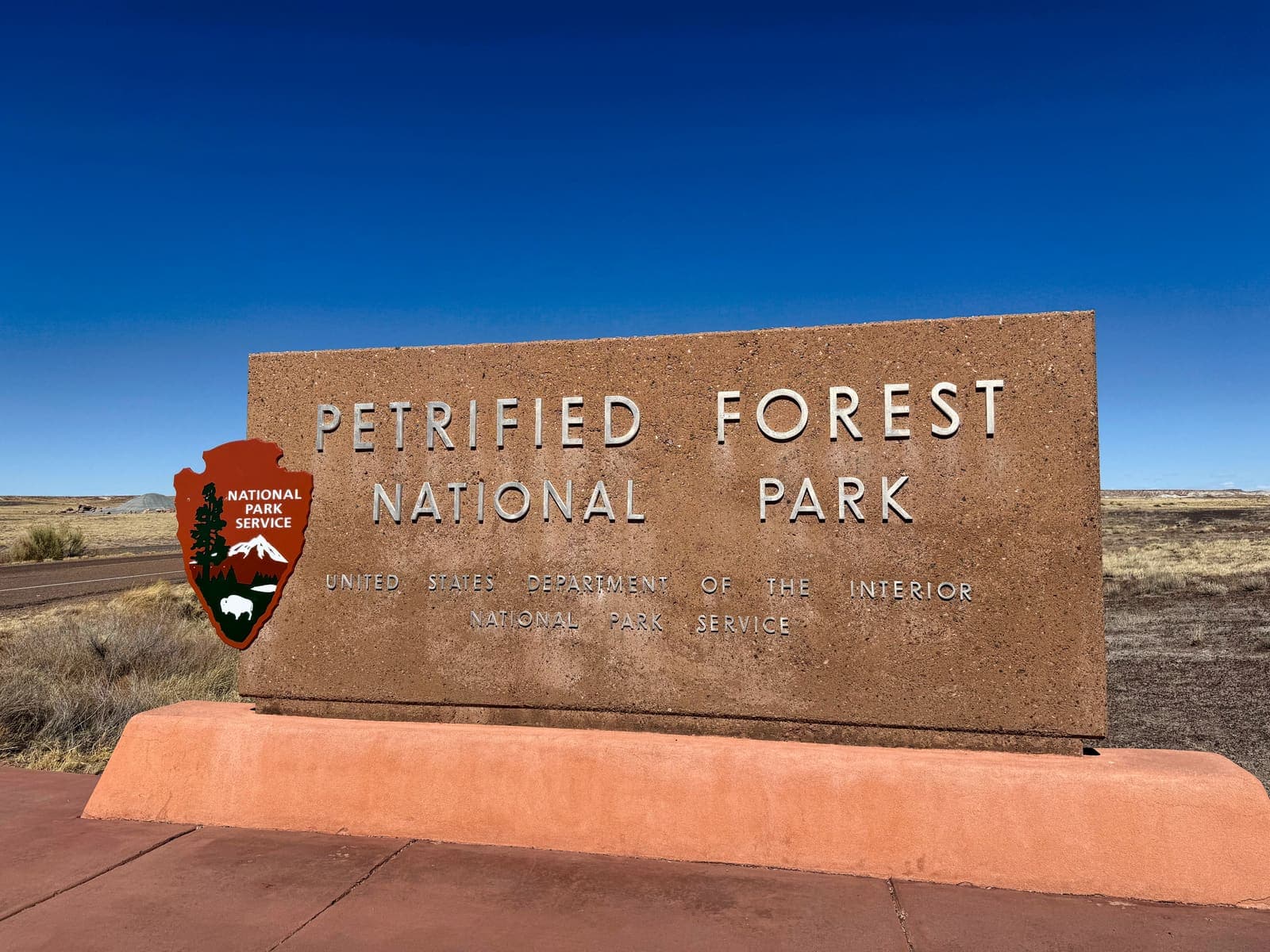
I drove into Petrified Forest expecting, well, a forest.
I was wrong.

The landscape is desert.
Wide. Open. Dusty reds and blacks and purples stretching to a horizon that does not know the word green.
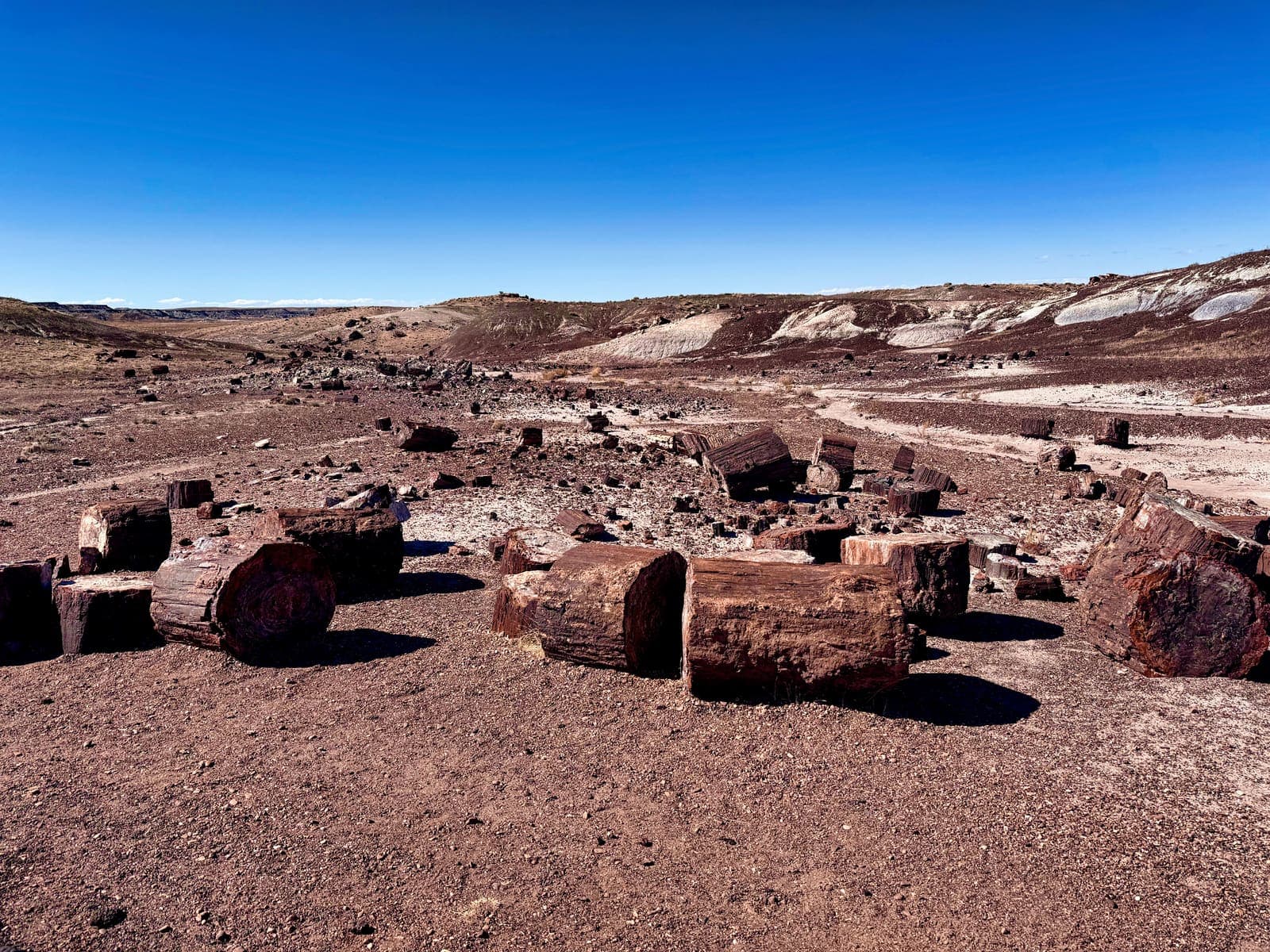
And scattered across the desert floor...
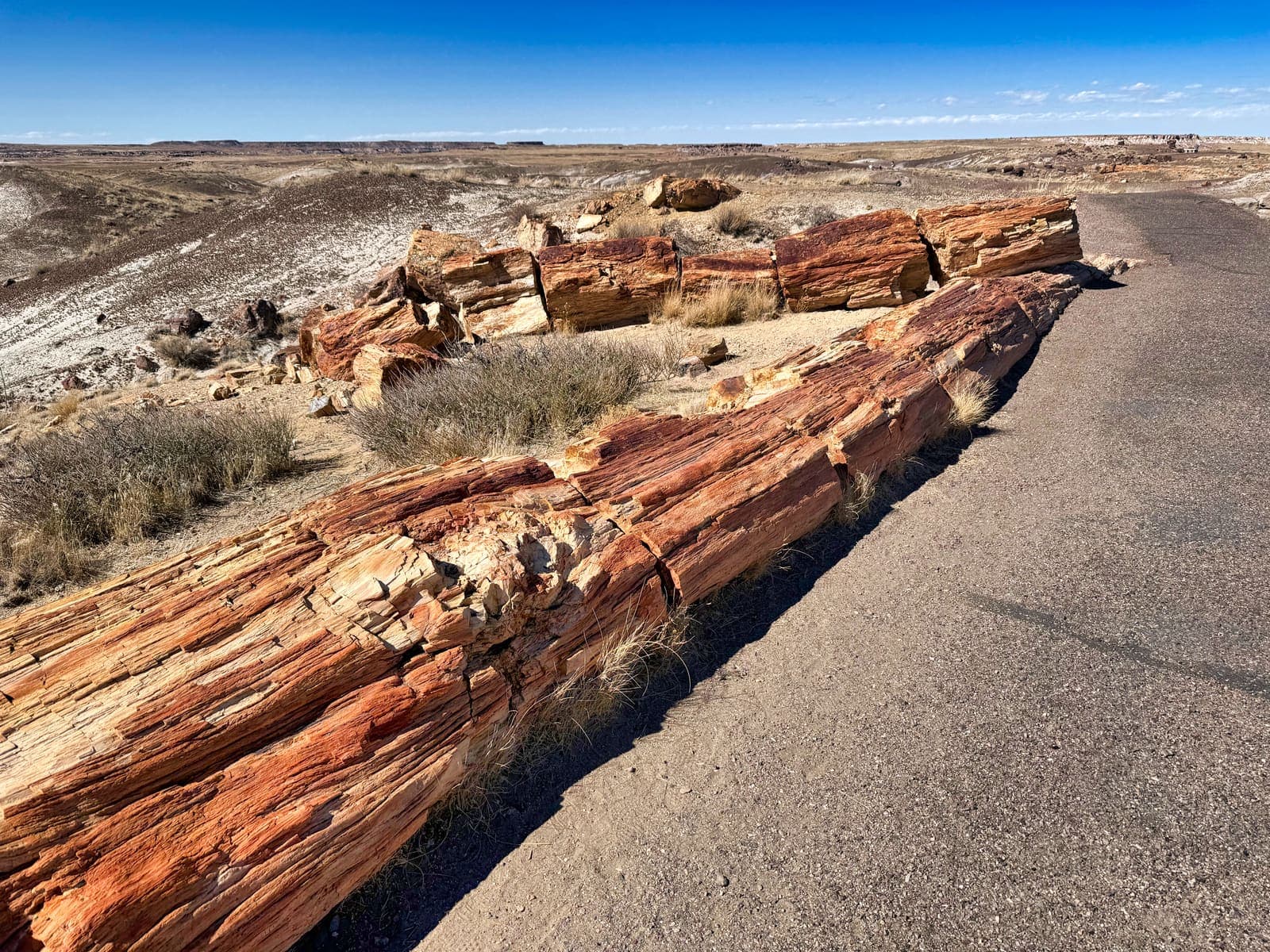
Logs.
Massive ones. Some thicker than a car.
Lying where the river left them... over two hundred million years ago.
I walked up to one and touched it.
Expecting bark.
Expecting wood.
Got stone.
Stone.
Cold, smooth, crystalline stone.
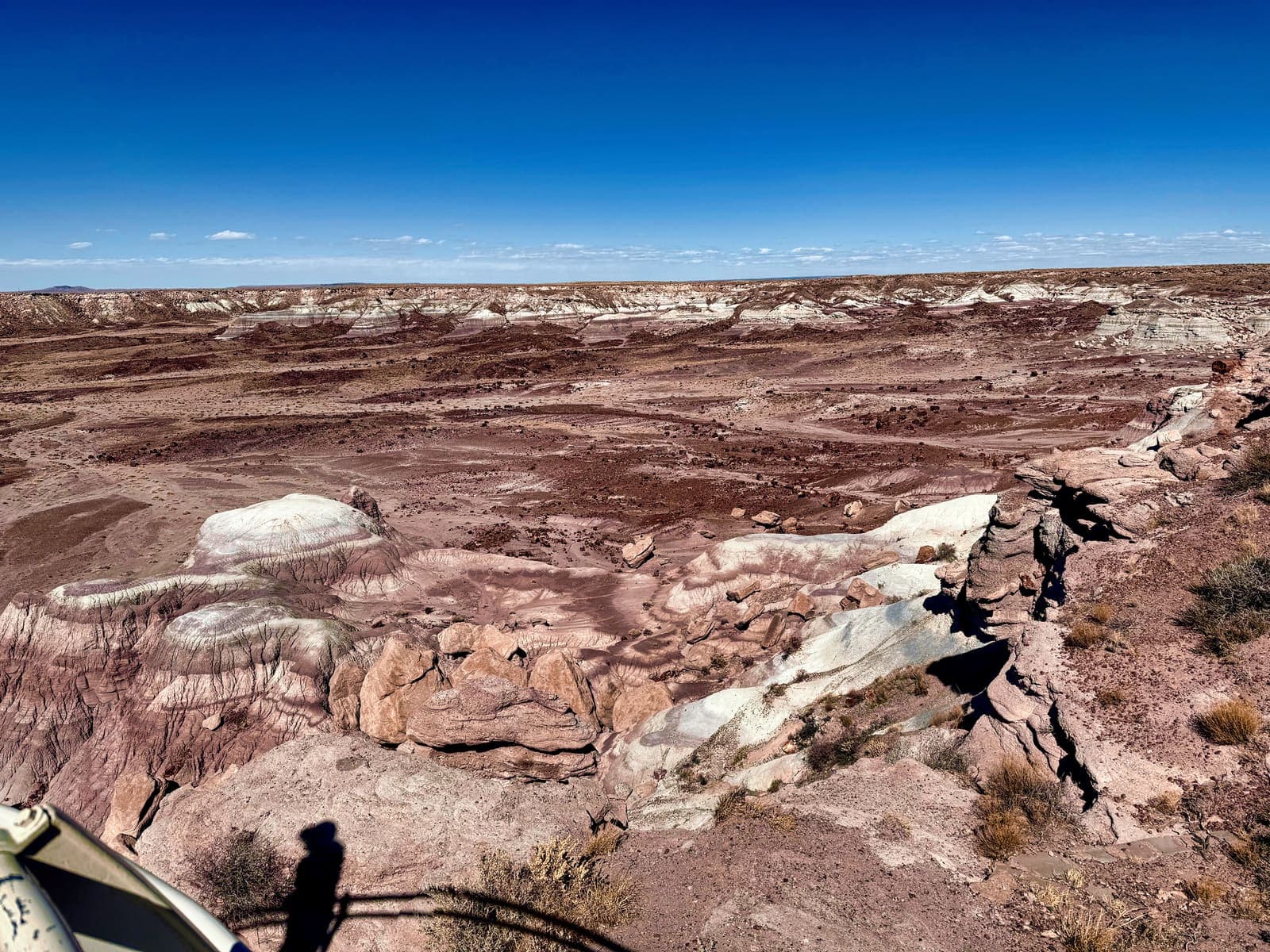
Rings still visible. Grain still there. Knots still exactly where the branches once split.
Every detail of a living tree, perfectly preserved.
And nothing moving through any of it.
The colors were unreal.
Quartz running through the center of logs in reds and oranges and purples.
Rust. Agate. Deep black at the edges where something older had seeped in.
The place is beautiful.
Beautiful.
It is also completely done growing.
Done.
I stood there on a trail called Crystal Forest, and one thought wouldn't let go.
This is exactly what half of most leaders' cultures look like.
Beautiful. Honored. Preserved. Not alive.
The rings and grain of what it used to be, perfectly visible.
None of the water still flowing through any of it.
What's fossilized in your culture was once alive. Now it's just taking up space where something new should be growing.
You've sat in the quarterly kickoff that's been the same shape for four years because nobody wanted to be the one to change it.
You've run the standup that used to work when the team was six people and now drags on with twenty-two.
You've kept a ritual in place because the person who started it would be hurt if it went away.
You've defended a process in a leadership meeting that you privately know is broken, because defending it was easier than opening the conversation.
You've kept a phrase in your team's vocabulary long after it stopped meaning anything.
You've held onto a performance rubric that measured the right things two years ago and measures almost nothing useful now.
You've protected a value on the wall that your team quietly stopped practicing in the day-to-day.
You've preserved an org chart that was built around a problem you don't have anymore.
None of that is failure.
All of it is fossilization.
And your team has been walking around it for months, pretending it's alive.
1. What's Fossilized in Your Culture Was Once Alive. Now It's Just Taking Up Space.
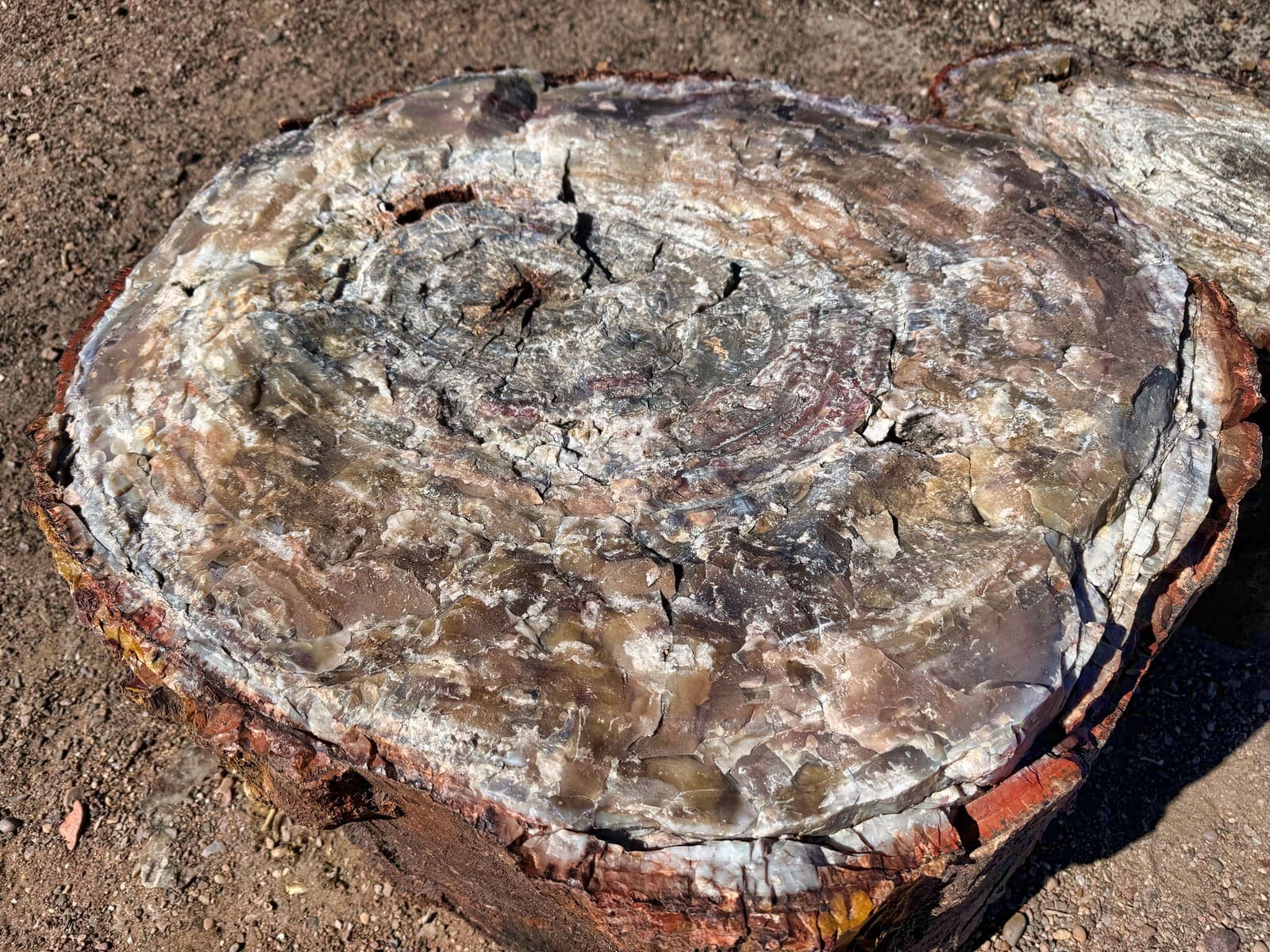
The reframe most leaders need and resist.
Everything that is now fossil in your culture was once a living answer to a real problem.
The weekly review cadence. The values statement. The communication norms. The performance process. The leadership offsite structure.
Someone built them with intention. They worked. They moved your team forward.
And then somewhere along the way, the problem they were built for shifted.
Or got solved. Or dissolved. Or turned into a different problem that needs a different answer.
The practice kept running anyway.
Petrified Forest is not a failure.
Those trees were alive once. They grew. They shaded a whole ecosystem.
Then the rivers buried them, the minerals seeped in, and the wood turned to stone.
What's left is real. Beautiful. Even useful as a record of what once was.
It just isn't alive.
Your team is walking past fossil every day.
The meeting that takes up 90 minutes of everyone's Tuesday and could be cut down to 20 if anyone was willing to say it out loud.
The feedback ritual that used to build trust and now just eats time.
The 'that's how we've always done it' that used to be a story and is now just a sentence.
A lot of leaders end up protecting fossils.
Not because they believe in them. Because changing them means having the conversation.
And it's easy to convince yourself the conversation isn't worth the friction.
What in your culture is still standing because nobody wants to be the one to name that it stopped being alive?
2. Holding On to the Old Way Isn't Loyalty. It's Fear.
Here's what actually keeps a fossil in place.
Most of the fossilized parts of a culture stay fossilized because the leader tells themselves they're being respectful.
Respectful of the people who built them.
Respectful of the history.
Respectful of the 'way we do things here.'
They aren't being respectful.
They're being afraid.
Afraid to have the conversation.
Afraid of what releasing the thing would say about the person who built it.
Afraid of the short window of friction before the team adjusts.
Afraid that if they pull on one thread, other threads will come undone with it.
The old model of leadership dresses fear up as loyalty.
Preserve everything. Honor the past. Don't rock the boat.
It sounds noble. It is paralysis with better branding.
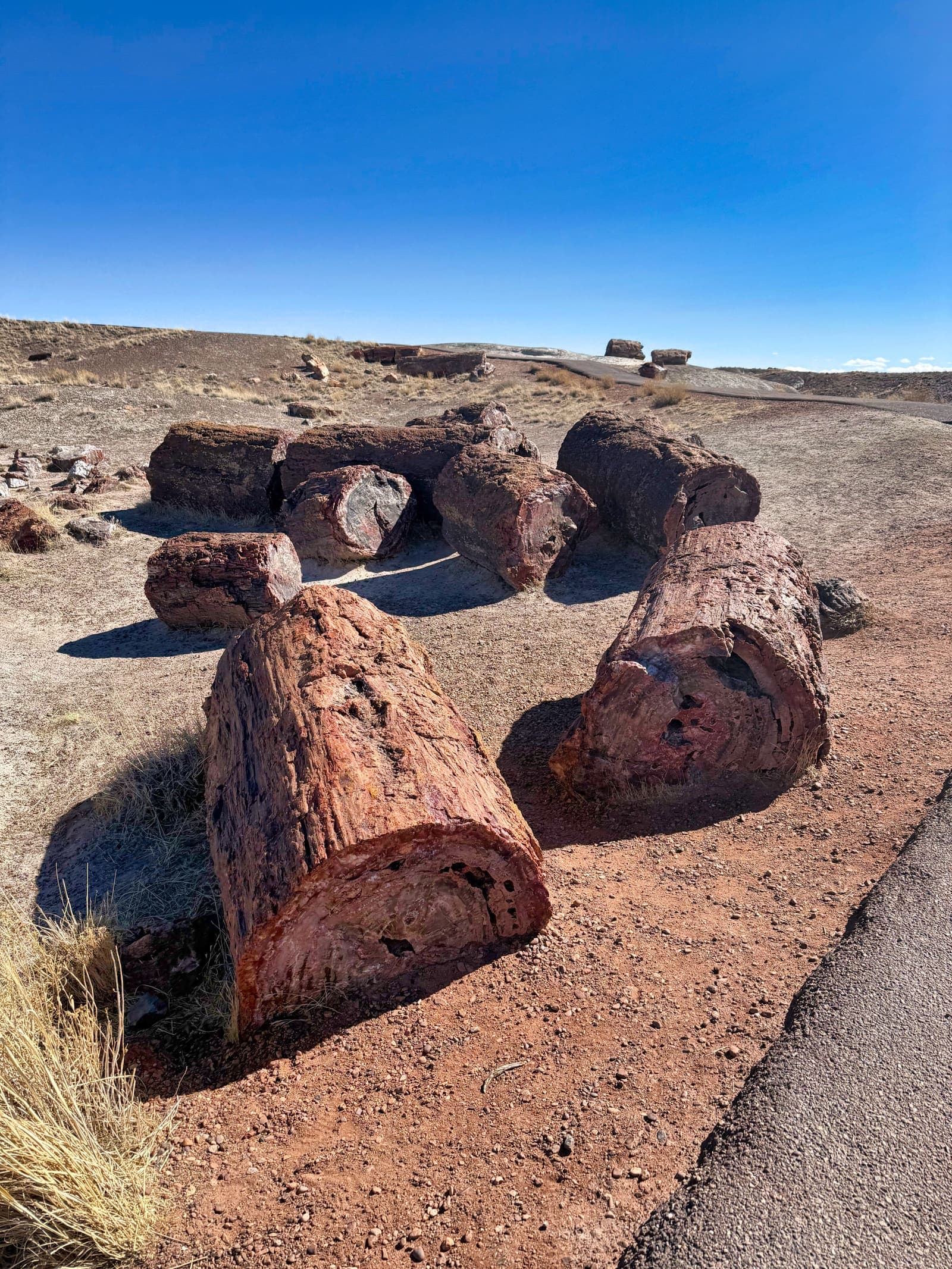
Petrified Forest does not let you hold that story.
The forest is not still standing because someone loyal refused to let it die.
It turned to stone because it got buried. Fast and deep, sealed off from the air.
That's how a culture fossilizes too. Not out in the open. Underneath, in the things nobody wants to dig up and look at.
The logs kept their shape. The ecosystem moved on.
Your team is asking you to do the same thing.
The person who keeps coming to you for approval on things they should own isn't stuck on you.
They're stuck inside a fossilized approval process that you've kept in place for your own comfort.
The one who used to bring ideas to every meeting and now just executes isn't out of ideas.
They've watched you defend a fossil one too many times and calibrated accordingly.
Most leaders confuse fear with loyalty more often than they'd like to admit.
And every time, the team is quietly waiting for them to stop calling it loyalty and name it fear.
Where in your culture are you calling fear loyalty and telling yourself it's the same thing?
3. The Leaders Who Build Differently Start by Releasing What Stopped Working
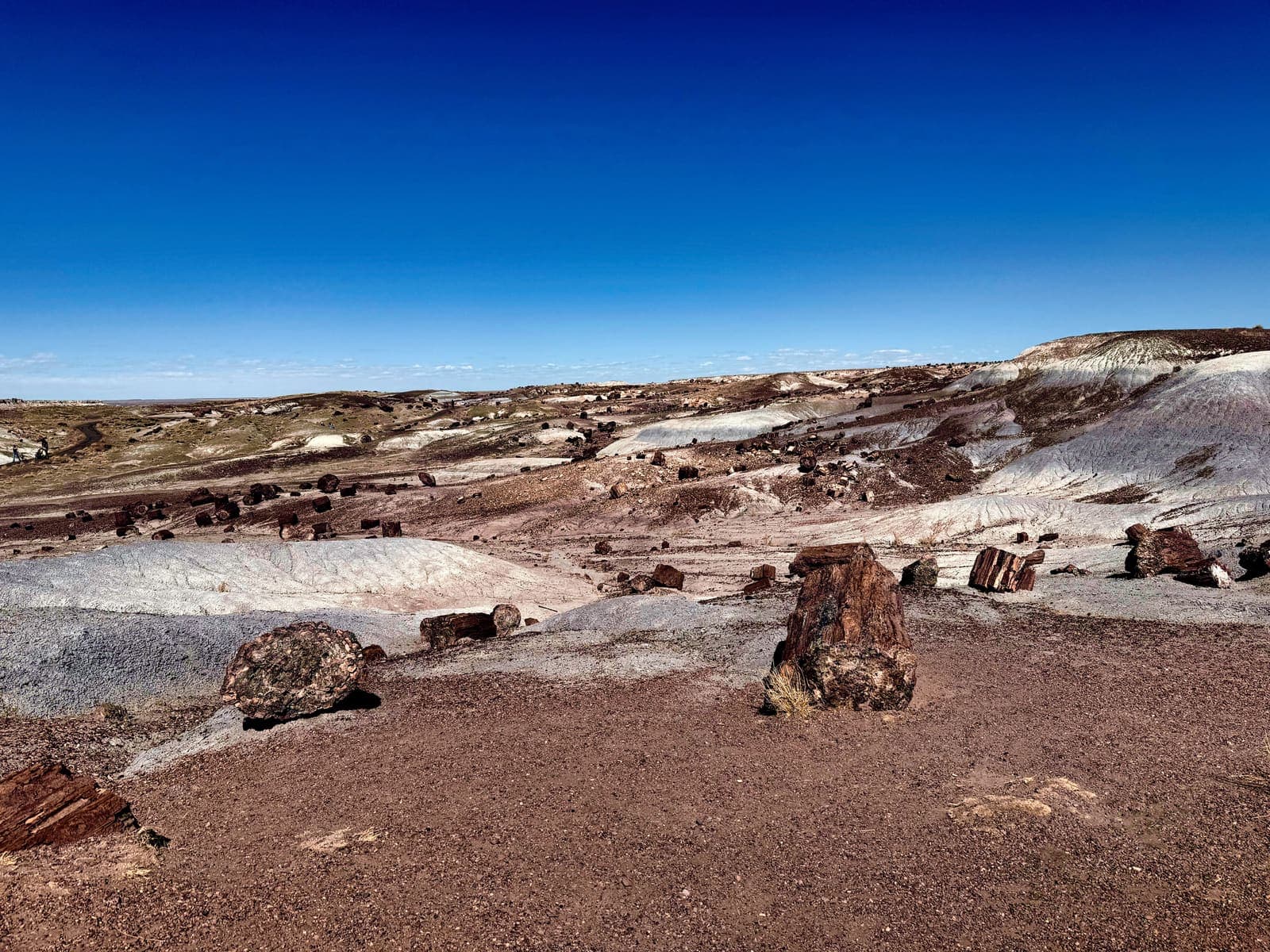
This is the sentence I knew I had to include and hoped I wouldn't.
You do not get to build something new on top of a fossil.
You can put new paint on it. You can add language around it. You can launch a fresh initiative next to it.
The fossil will still be there, taking up the space where something new was supposed to grow.
The old model of leadership says the answer is to add.
Add another layer. Add another meeting. Add another tradition. Add another value to the wall.
The new model starts with subtraction.
Before you build, release.
Before you add, audit what stopped being alive.
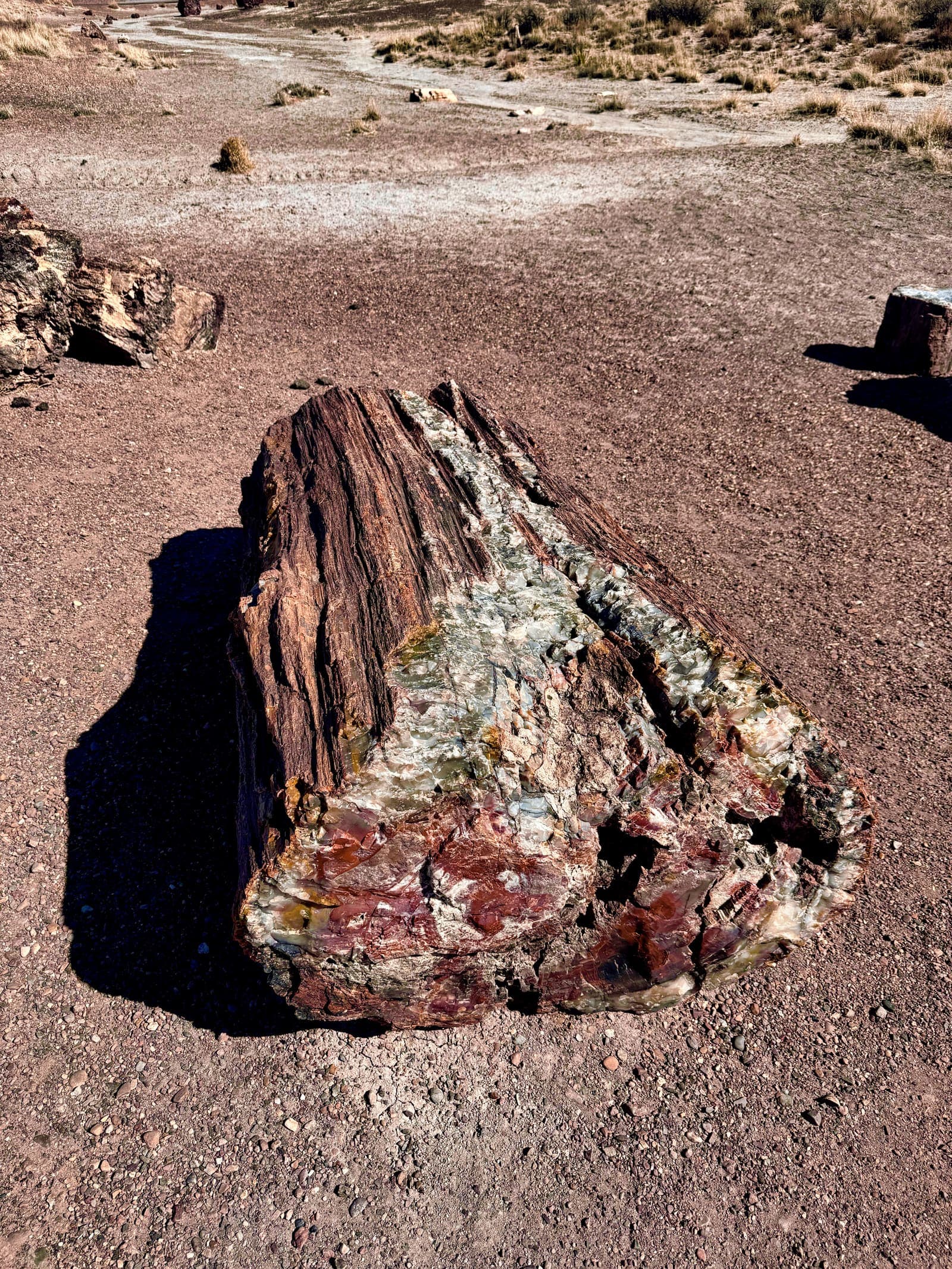
Petrified Forest teaches this without saying a word.
Nothing grows in a bed of stone.
Not because the stone is bad. It was alive once. It served its purpose. It left a record.
But if you want a forest to come back, the stone has to be acknowledged as stone, not watered as if it were still wood.
Your right hand, the one who carries it when you're not in the room, is watching whether you're willing to release a fossil.
Not what you added to the roadmap. What you stopped protecting.
The person everyone goes to before they come to you is waiting for you to name one thing in this culture that doesn't serve us anymore... and actually let it go.
Your newest person, three months in, is reading every fossil as current policy.
They don't know what you've been 'meaning to revisit.' They know what's still happening.
Every fossil you haven't released is being treated as the standard by the people you haven't told yet.
It's tempting to add new things next to old things that should have been released first.
The new thing never takes root. The old thing is eating all the oxygen.
What is the one thing in your culture right now that needs to be released before anything new you're trying to build has a chance of actually growing?
Working Around the Fossils
Your team spends energy working around things you've refused to release.
Your best people get quieter because they stopped thinking you'd change anything.
Your new hires walk in, read the fossils, and assume those fossils are the culture.
Your calendar stays crammed with meetings that used to make sense.
Your values wall and your actual lived values drift further apart every quarter.
And your team's capacity to do new work stays buried under the weight of old work that should have been released a long time ago.
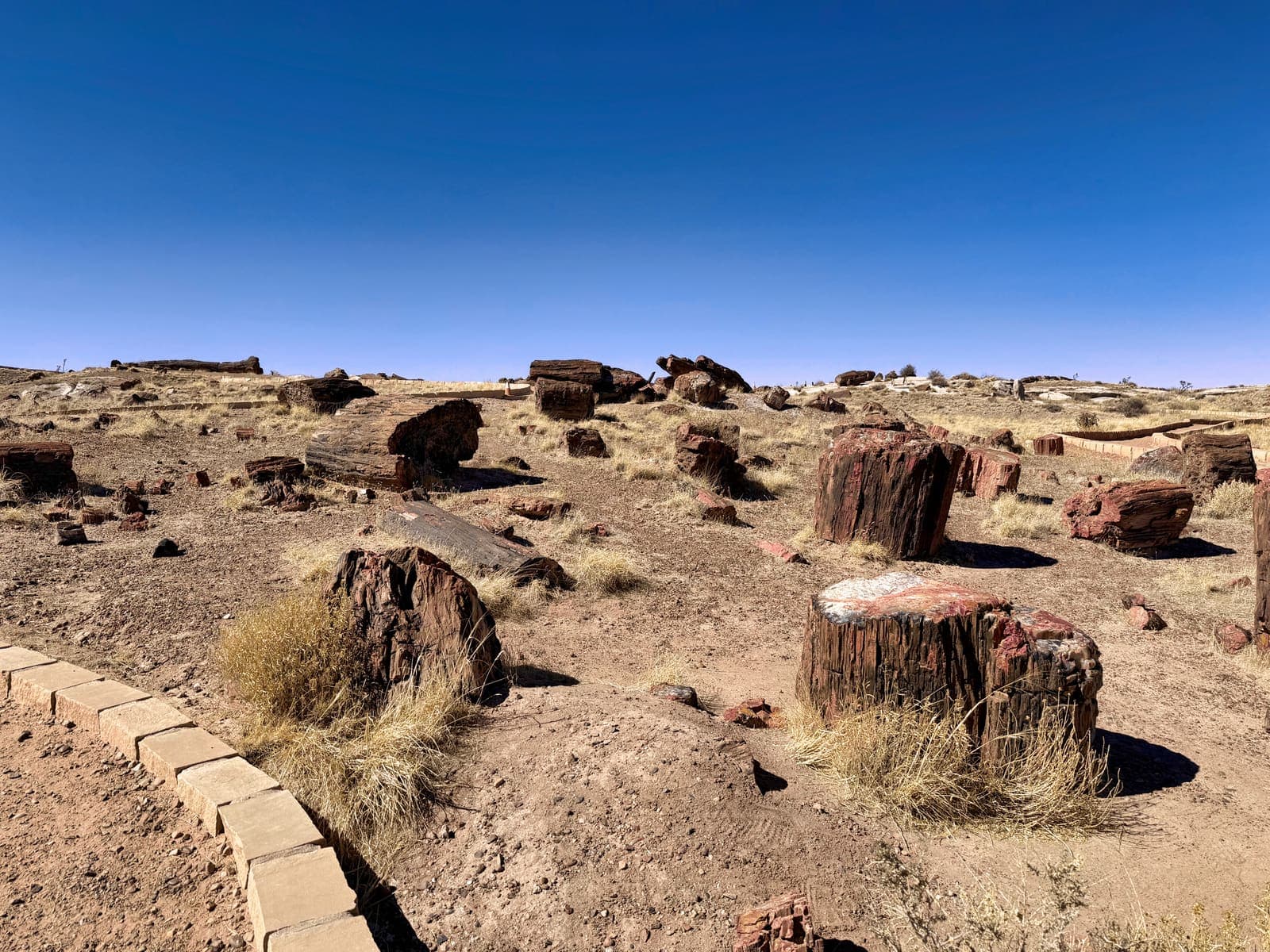
But when you start releasing what stopped working?
Oxygen comes back into the room. The work you've been trying to launch finally has space. Your team feels seen because you finally named what everyone privately knew. And the culture starts growing again instead of being preserved.
Not a Museum
You wanted to build something that was alive. Something that kept evolving. Something that made the people in it better than it found them.
Somewhere along the way, the preserving took over the building.
The fossils got dressed up as traditions. The old processes got dressed up as values. The fear of releasing anything got dressed up as respect.
And the team you lead today is walking around a forest that stopped growing a long time ago.
The work now is to stop protecting what is beautiful and dead, and release what is fossilized so something new can actually grow.
You can honor the past without dragging it forward.
You can respect the builder without preserving every piece of the build.
You can love what this team was without refusing to let it become what it needs to be next.
Release One Fossil
Walk through your culture like you're walking through Petrified Forest.
Trail by trail.
Meeting rhythms. Team rituals. Processes. Phrases. Performance practices. Values on the wall.
Identify one fossil.
One thing that used to be alive and isn't anymore.
Release it. Out loud. This week.
Not as a critique of whoever built it. As an acknowledgment that the conditions have changed.
Write down what grows in the space you just opened up.
The stone is beautiful.
The ecosystem moved on anyway.
Nothing grows if you water fossils.
You don't need a new personality.You need to see the pattern.
If you just caught yourself calling fear loyalty, Clarity First is where you learn to name that pattern before it fossilizes anything else.
See Clarity First

Founder, Lead Differently
The Lead Differently movement. For leaders who got the position without the playbook. Built around how you're actually wired.