Release the Pressure Before You Erupt:Yellowstone's Geysers
Most leaders don't explode because of one moment. They explode because they never built a release valve.
That's not a temper problem.
That's a system problem.
Under pressure, the explanations come fast:
"My team is making me react this way."
"If they would just step up... I wouldn't be this stressed."
"If they would just own their work... I wouldn't have to carry all of it."
So you bottle it.
You push through.
You convince yourself you're handling it.
Until you aren't.
The Ground That Was Always Building
I stood near Grand Geyser in Yellowstone on a cool morning and watched the pool do almost nothing.
Just water.
Still. Quiet. A little steam curling off the surface.
You could miss it.
You could walk past and think... that's it?
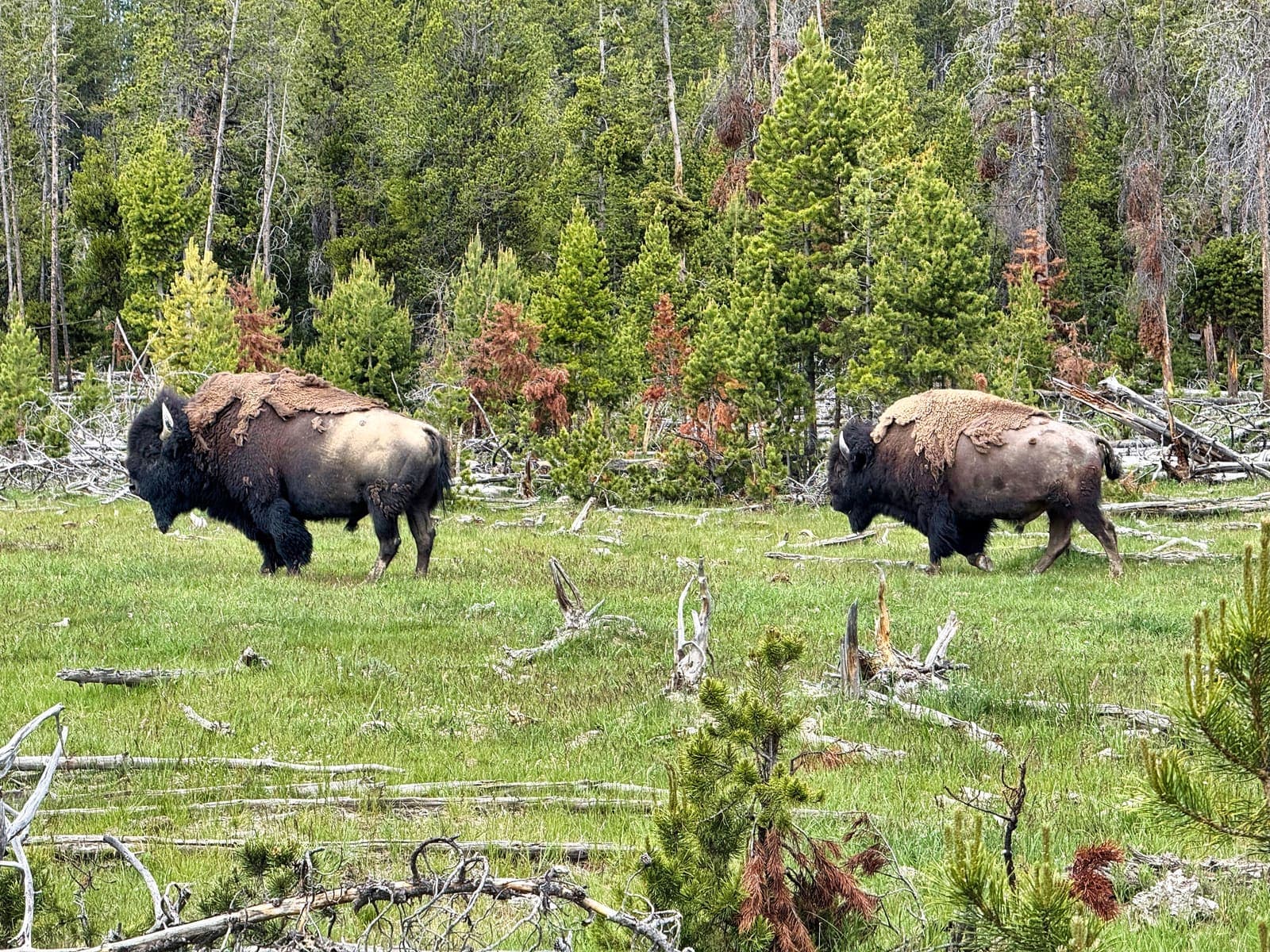
Then the ground under my boots warmed.
Not dramatically. Just enough to notice.
The pool started to churn.
A low rumble. Like the earth clearing its throat.
And standing there, I recognized it.
This is exactly how I react under pressure.
Not the eruption.
The part before it.
The tension I don't name.
The fatigue I push through.
The conversations I keep putting off because stopping would mean feeling them.
The waterline rising... and me pretending it isn't.
Yellowstone doesn't hide anything.
The steam vents. The mud pots. The warm ground. The hissing. The pools that churn before they blow.
The signs are everywhere.
The park is literally telling you what's coming.
And then... it happens.
Water surges.
The ground trembles.
A tower of boiling water blasts into the sky.
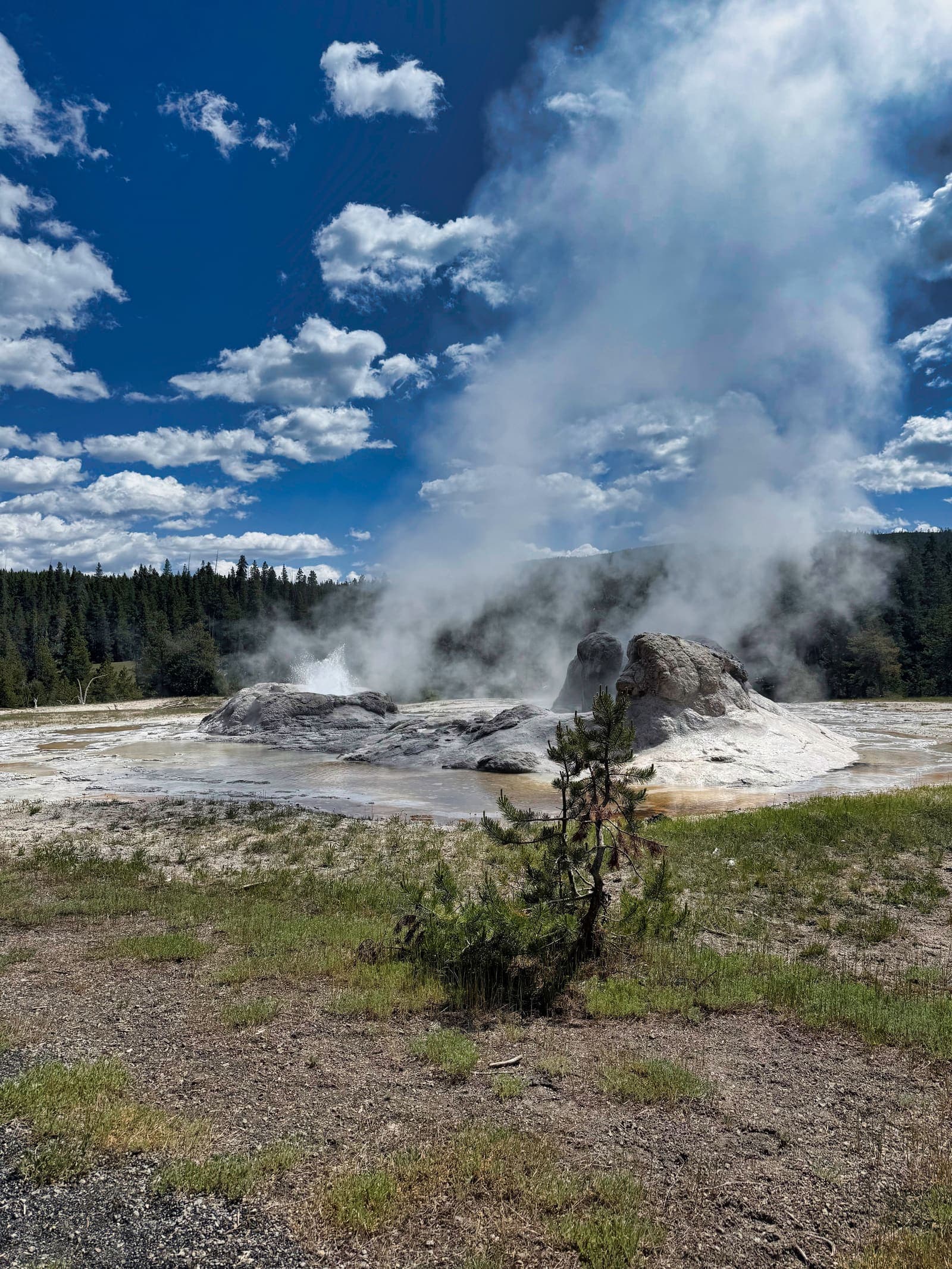
And nobody who was paying attention is surprised.
Grand is one of the few geysers in the park the rangers can predict.
It doesn't erupt randomly. It erupts on a rhythm.
What erupts was always building. You just weren't watching the ground underneath you.
You've done this.
Swallowed the frustration in the Monday standup because you didn't want to be the reason everyone felt heavy.
Carried a whole week's worth of tension into a 1:1 that had nothing to do with where the tension actually came from.
Told yourself the short fuse on Thursday was about Thursday.
Said yes to one more thing when every part of you was telling you no... because no felt like letting someone down.
Snapped at the person who brought you the fifth interruption of the morning... and then carried the guilt of it into your afternoon.
Went home with the pressure still running and told your partner you were fine.
You weren't fine.
You were a geyser pool filling up. And nobody saw it, including you.
1. The Pressure Isn't Your Team's Fault. It's Yours for Never Building a Release Valve.
Here's the uncomfortable thing about Yellowstone.
The pressure underground isn't wrong.
It's supposed to be there.
What matters is whether the system has somewhere for it to go.
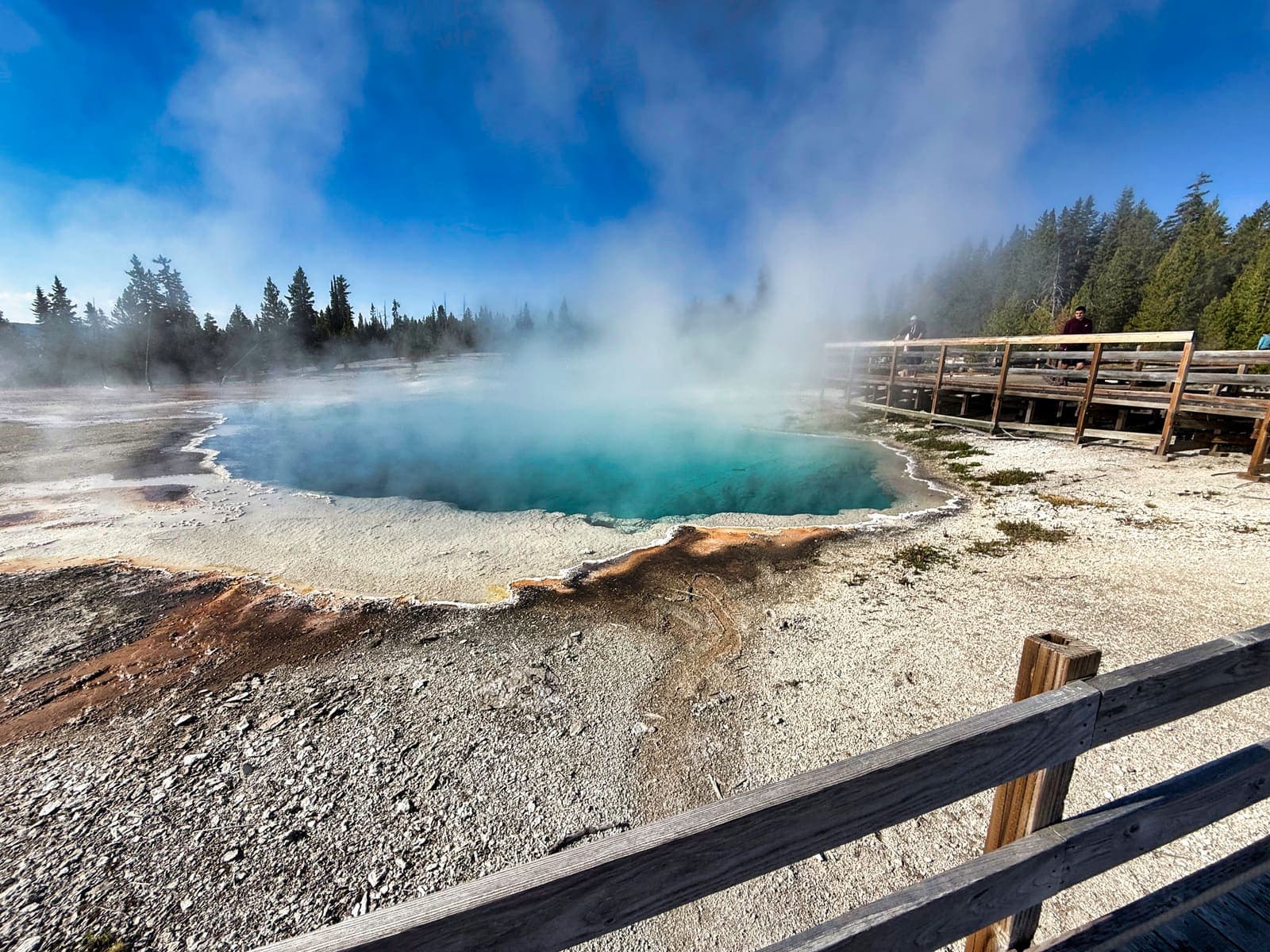
Your leadership works the same way.
Pressure is part of the job. It's not going away.
But when you haven't built a release valve... one regular, predictable way to let pressure move through you... every small thing becomes a potential eruption.
Most leaders fall into this pattern more often than they'd admit.
The team isn't the problem.
The workload isn't the problem.
The problem is there's no playbook for how you handle pressure before pressure handles you.
Think about your week.
The moment you let frustration leak into a 1:1 that didn't deserve it.
The decision you made fast and reactive because sitting with the tension felt worse than choosing wrong.
The conversation you've been rescheduling for three weeks because opening it would mean feeling what's underneath.
That's not a team failure.
That's a system gap.
And the cost of the gap doesn't show up in the moment you blow.
It shows up in the quiet distance your team starts keeping.
In the ideas they stop bringing you.
In the way the room changes temperature when you walk in.
Your team isn't waiting for you to be perfect.
They're waiting for you to be predictable.
Old Faithful isn't famous because it's the biggest geyser in the park. It's famous because it releases pressure on a rhythm you can trust.
That's what your team is trying to find in you.
2. What Erupts Was Always Building. You Just Weren't Watching.
Every geyser eruption is earned.
The water doesn't come from nowhere.
The heat doesn't appear in the moment.
The pressure has been building quietly, underground, for hours or days or weeks.
And then... it breaks through.
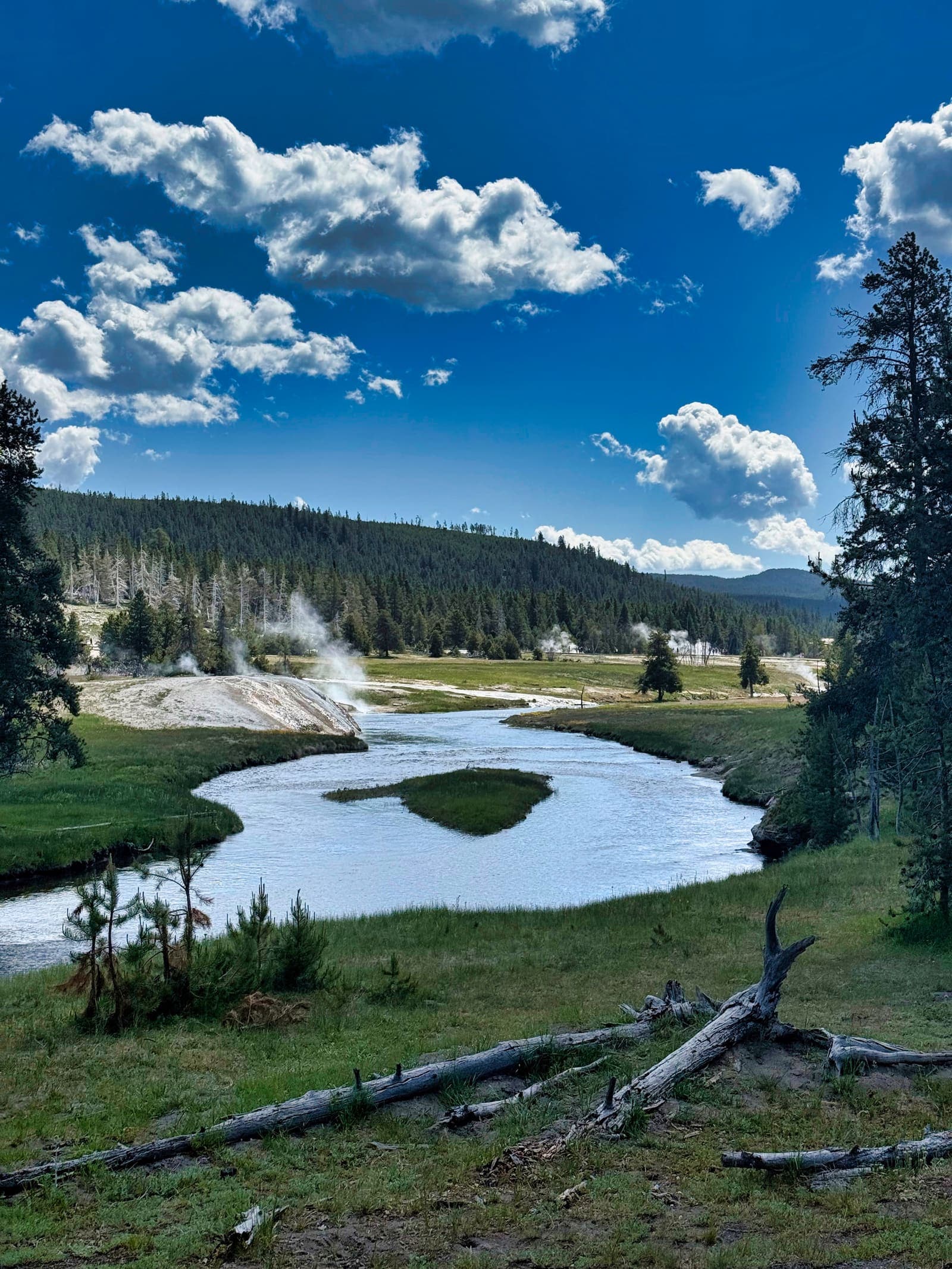
Your eruptions work the same way.
The snap at the team member who caught you on a Friday afternoon wasn't about the Friday.
It was about the Monday nobody addressed. The Tuesday meeting you left frustrated. The Wednesday feedback you didn't give. The Thursday commitment you made when you should have said no.
By Friday, the ground was already warm.
You just hadn't stopped to notice.
It's easy to spend a whole stretch blaming circumstances.
Too many meetings. Too many fires. Too many decisions stacked on top of each other.
It's all true.
And none of it is the real problem.
The real problem is that you've stopped noticing the signals.
The tight jaw in the morning shower. The shallow breathing in the middle of the afternoon. The irritation you feel for no reason at all when a Slack message comes in.
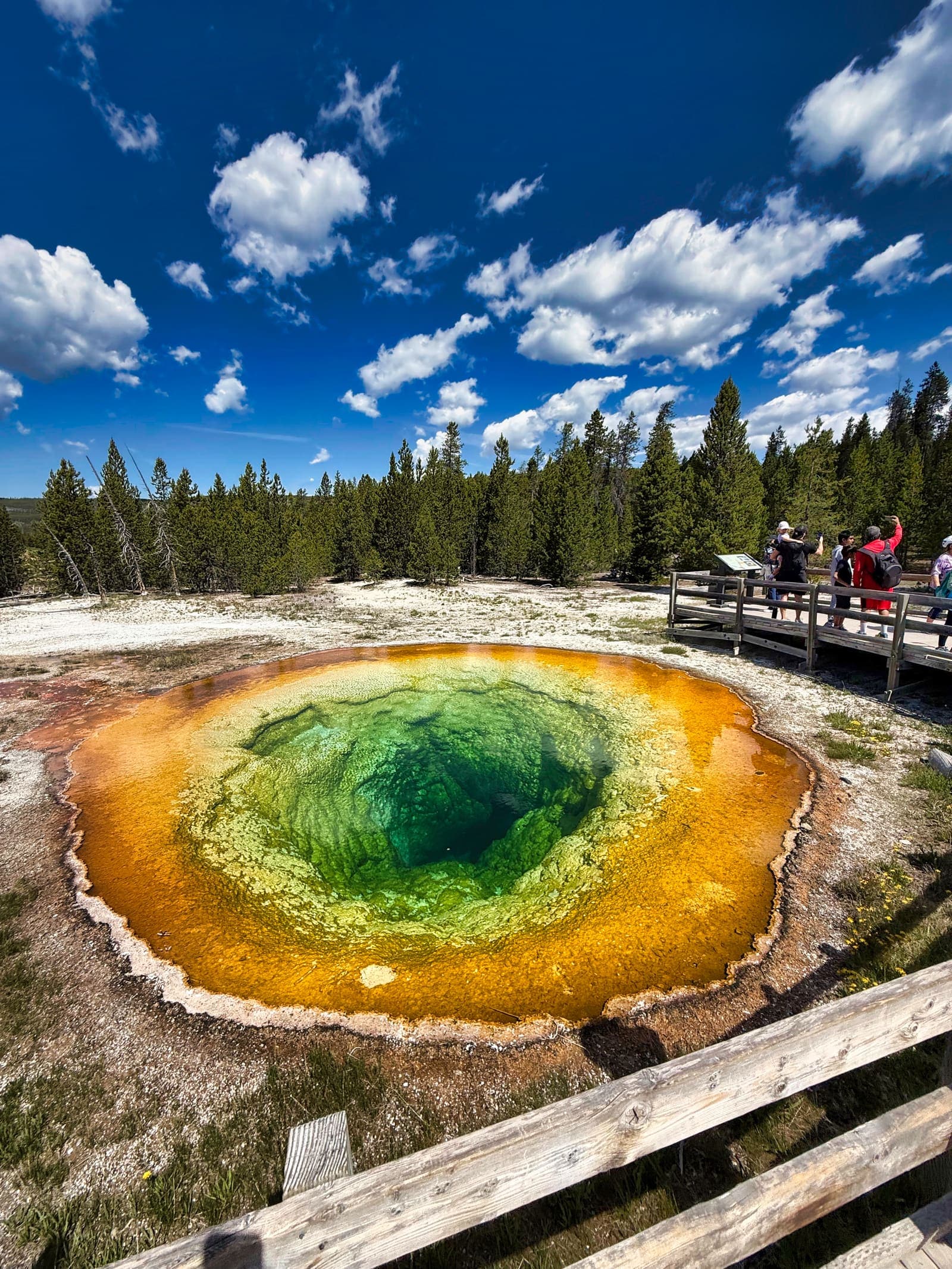
Those are all steam vents.
The ground is telling you what's coming.
And you keep walking past them.
When did you last stop and ask yourself... what is the pressure underneath this moment actually about?
Not the spreadsheet. Not the deadline. Not the person you're about to send a sharp email to.
What's underneath?
The question you don't want to answer is usually where the buildup is happening.
The leaders who don't erupt aren't the ones without pressure. They're the ones who learned to read the ground before it broke open.
3. A System for Pressure Doesn't Eliminate It. It Makes It Productive.
Here's what Yellowstone understands that most leaders miss.
The park isn't trying to stop the pressure.
It's built around the pressure.
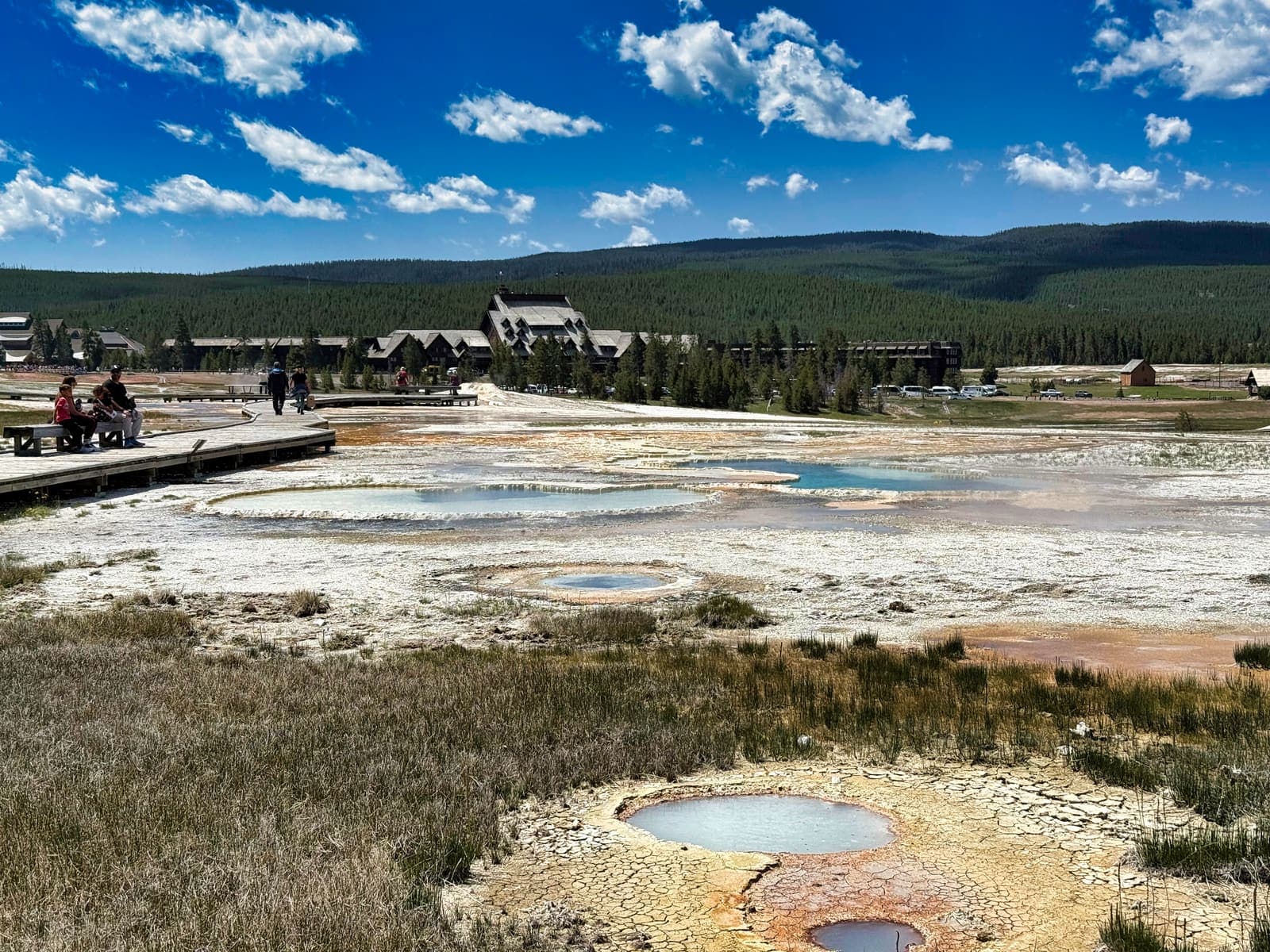
The steam vents release heat all the time.
The hot springs have open plumbing, so the water rises without drama.
A geyser is a hot spring with a tight spot in its plumbing, so it lets go in bursts.
And when the plumbing gets sealed off completely, the ground blows.
That happened in 2024, in Biscuit Basin. Minerals sealed the shallow plumbing under a pool. Pressure built just under the surface with nowhere to go. Then the ground exploded, throwing mud and rock hundreds of feet into the air.
The ground with no outlet is the one that blew.
Pressure is useful here.
Pressure is what built the park in the first place.
Your leadership needs the same architecture.
Not a promise to stop feeling pressure.
A real system for moving it.
A regular rhythm you trust to catch the buildup before the buildup catches you.
The morning ritual where you get clear on what's actually yours to carry today, and what isn't.
The weekly review where you name what's heating up underneath before it becomes a Friday-afternoon snap.
The conversation you have with yourself before the hard one with someone else... the one where you get clear on what you're actually feeling versus what you're reacting to.
The boundary you set on Monday morning so you don't spend Friday night paying the emotional tax.
That's a release valve.
That's what separates leaders your team can trust from leaders your team walks on eggshells around.
And here's the thing most leaders learn the hard way.
You can't build a release valve in the moment you need it.
You have to build it before.
Before the hard week.
Before the tough conversation.
Before the quarter that breaks something loose.
The playbook gets written when the ground is cool.
Not when it's already shaking.
Bracing Instead of Engaging
Your people start bracing instead of engaging.
They stop bringing you problems early because they don't know which version of you they'll get.
Your best teammate starts checking out quietly... because emotional unpredictability is exhausting.
Your home life starts absorbing the pressure your leadership never released.
Your own body keeps a running tally, and eventually it sends the bill.
And you end each week telling yourself next week will be different... when nothing in your system actually changed.
But when you build a playbook for pressure before pressure builds one for you?
Your team starts trusting you with the hard stuff. Your decisions come from choice, not reaction. The ground stays steady even when the week isn't.
Read the Ground
You stepped into leadership because you cared. Because you wanted to build something. Because you saw people who could do more and you wanted to help them get there.
And somewhere along the way, the pressure started running the show.
Not because you stopped caring.
Because you were never handed a playbook for how to carry what leadership actually asks you to carry.
This is where you stop walking past the steam vents and start reading the ground underneath.
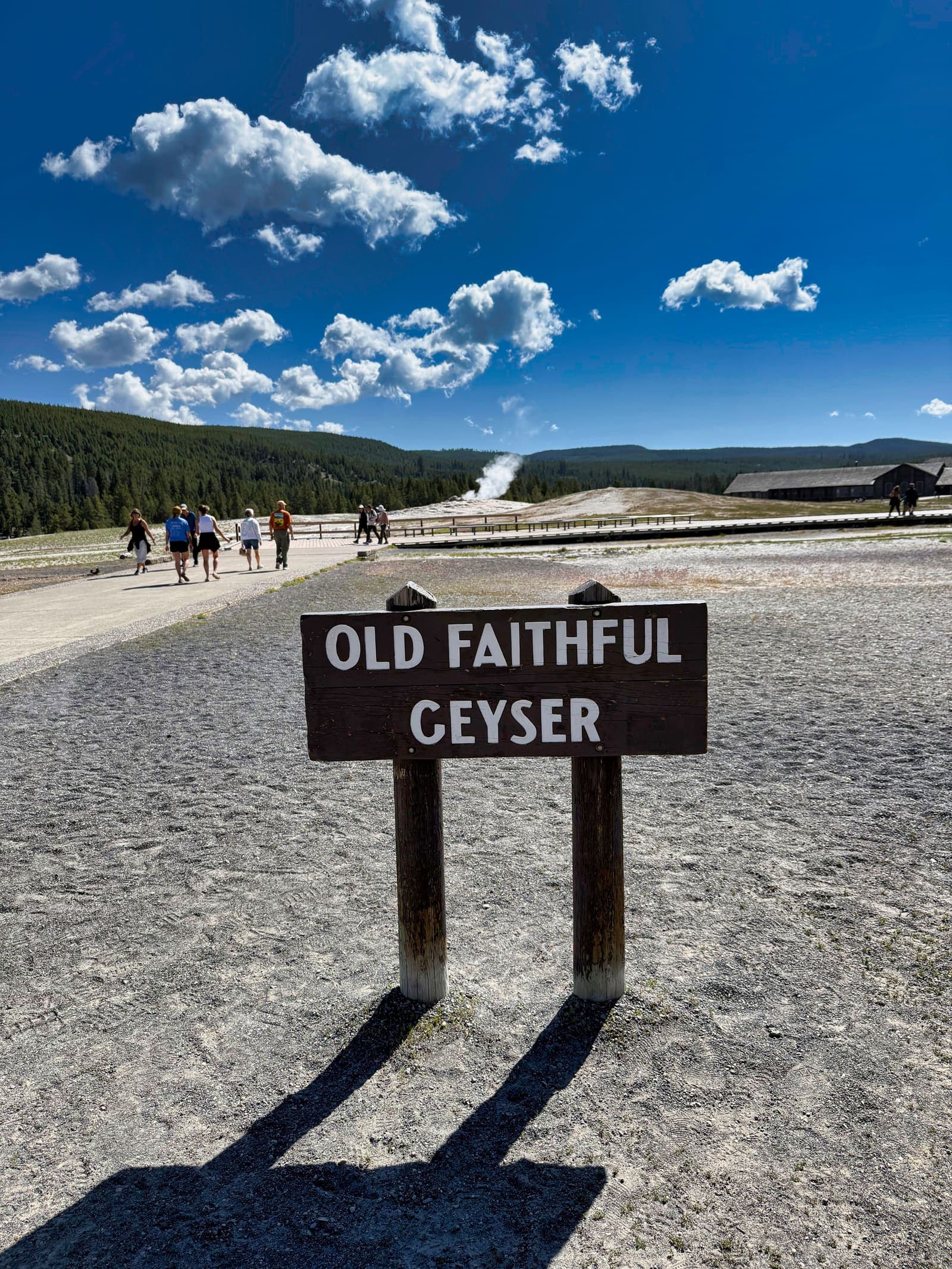
Old Faithful lets the pressure go on a rhythm you can trust.
You can build the same rhythm, starting this week.
Name One Rising Pressure
Pick one place in your leadership where pressure has been rising quietly.
Not the loud thing. The quiet one.
The conversation you keep rescheduling. The frustration you've been brushing off. The weight you've been pretending isn't there.
Now ask yourself one question:
What is this pressure trying to tell me?
Write the answer down.
Name the real source.
Then name one action you'll take this week to release it before it releases itself.
One sticky note.
One shift.
One release valve.
Old Faithful doesn't blow the ground apart. It lets go, again and again, on a rhythm.
You can too... the moment you stop pretending the ground isn't already warm.
You don't need a new personality.You need to see the pattern.
If this note showed you a pattern you recognize, Clarity First is where you learn to catch it before it fires.
See Clarity First

Founder, Lead Differently
The Lead Differently movement. For leaders who got the position without the playbook. Built around how you're actually wired.