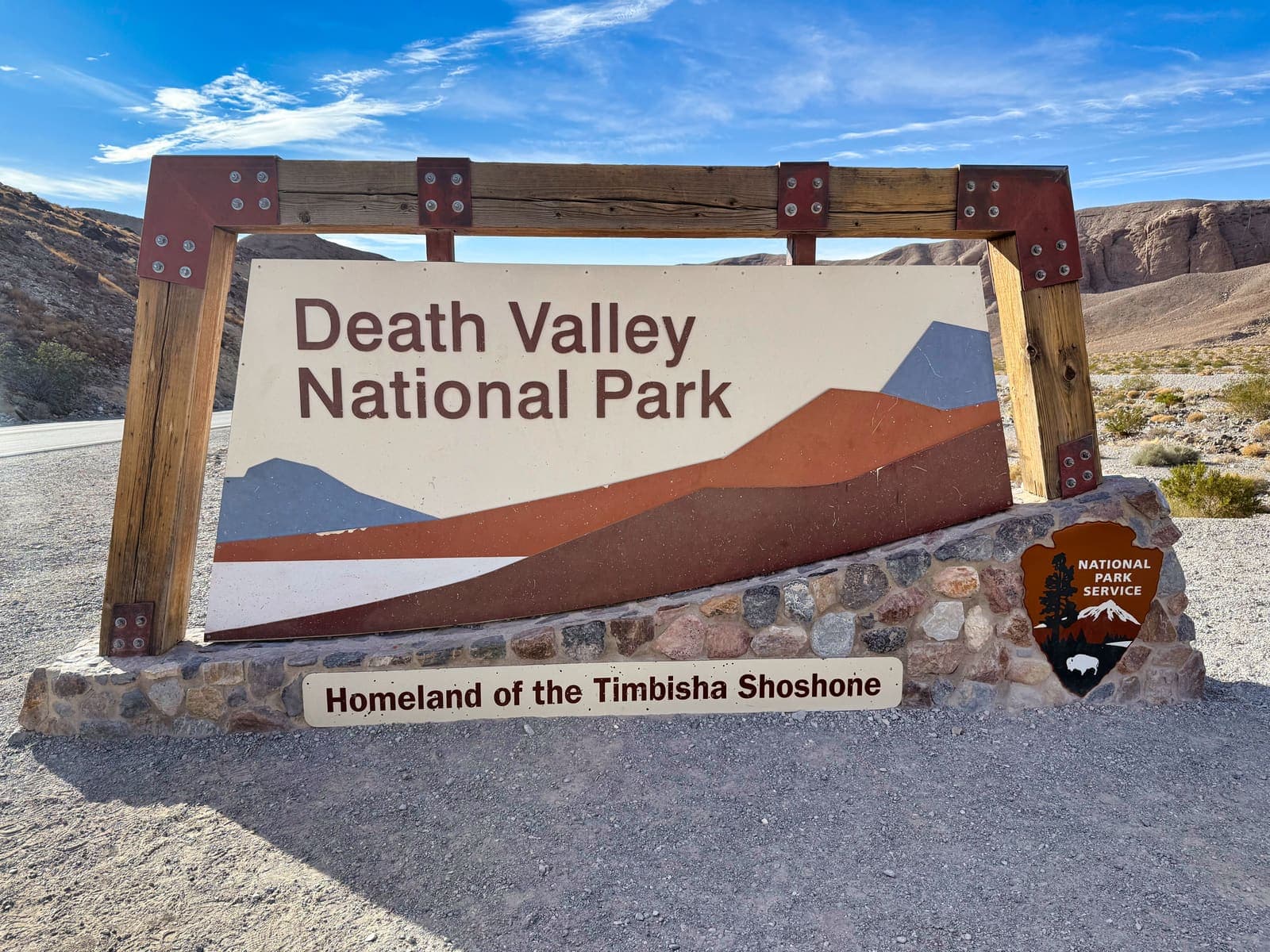
Read the Warning Signs Before Burnout:Death Valley
Your team isn't burning out because they can't handle the work.
They're burning out because the environment you built isn't designed for them to last.
Here's what most leaders tell themselves:
My team just needs to be tougher.
They need more grit. More resilience. More drive.
If they would just push through this season, everything will settle down.
So you keep the pace.
You keep the pressure.
You keep expecting them to absorb more heat because... that's what leaders do, right?
That's the trap.
It sounds like high standards.
It feels like leadership.
But it's not.
It's pushing people through an environment that was never designed to sustain them.
And calling their collapse a performance problem instead of what it actually is...
A playbook problem.
The Place That Tells the Truth Immediately
Death Valley is not subtle.
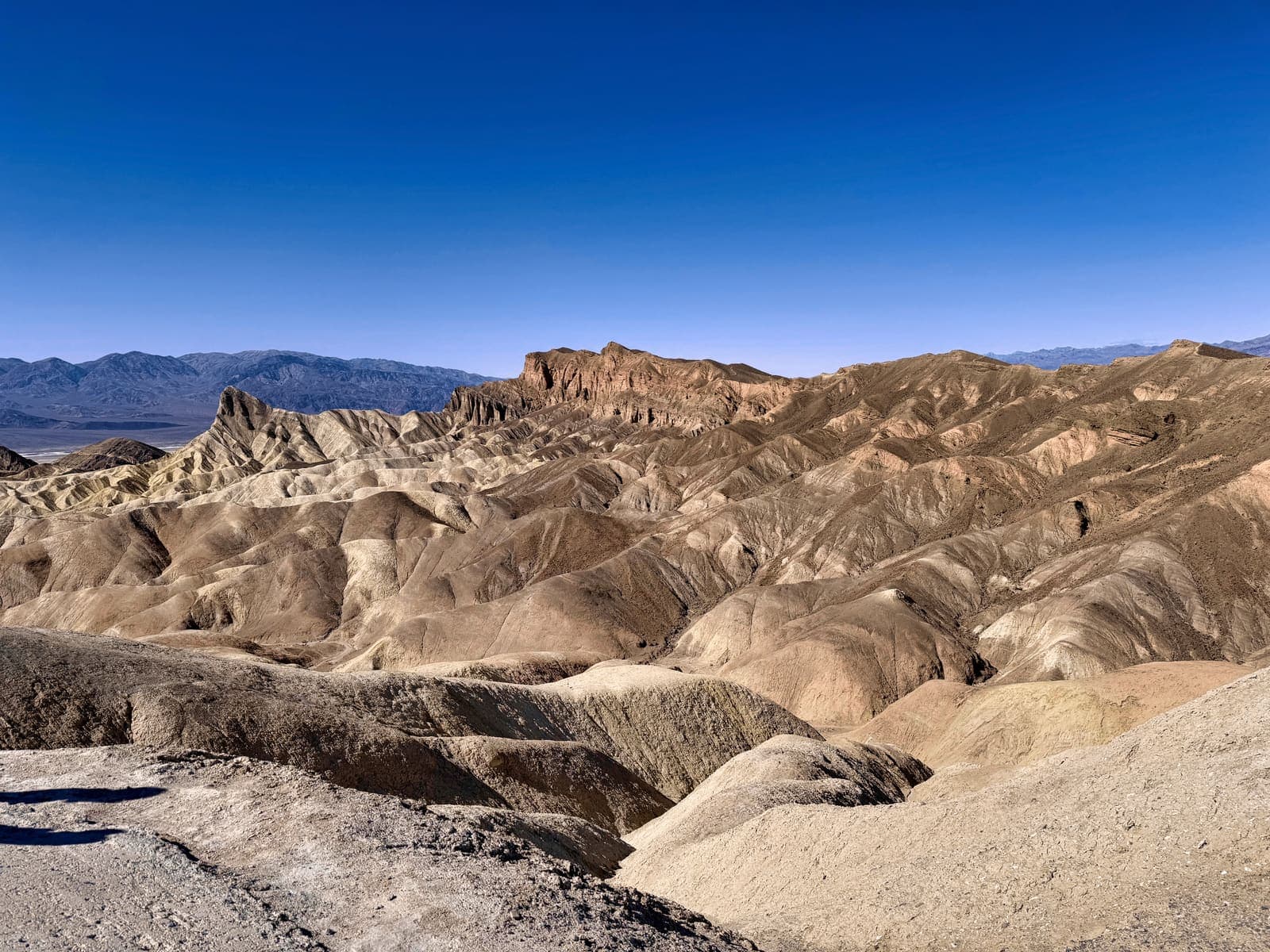
It doesn't whisper its lessons.
It doesn't ease you in.
It doesn't hint.
One of the hottest places on Earth.
Temperatures that shatter records.
Dryness so intense the ground cracks open.
Mountains that trap heat like a bowl.
Salt flats that reflect the sun straight into your eyes.
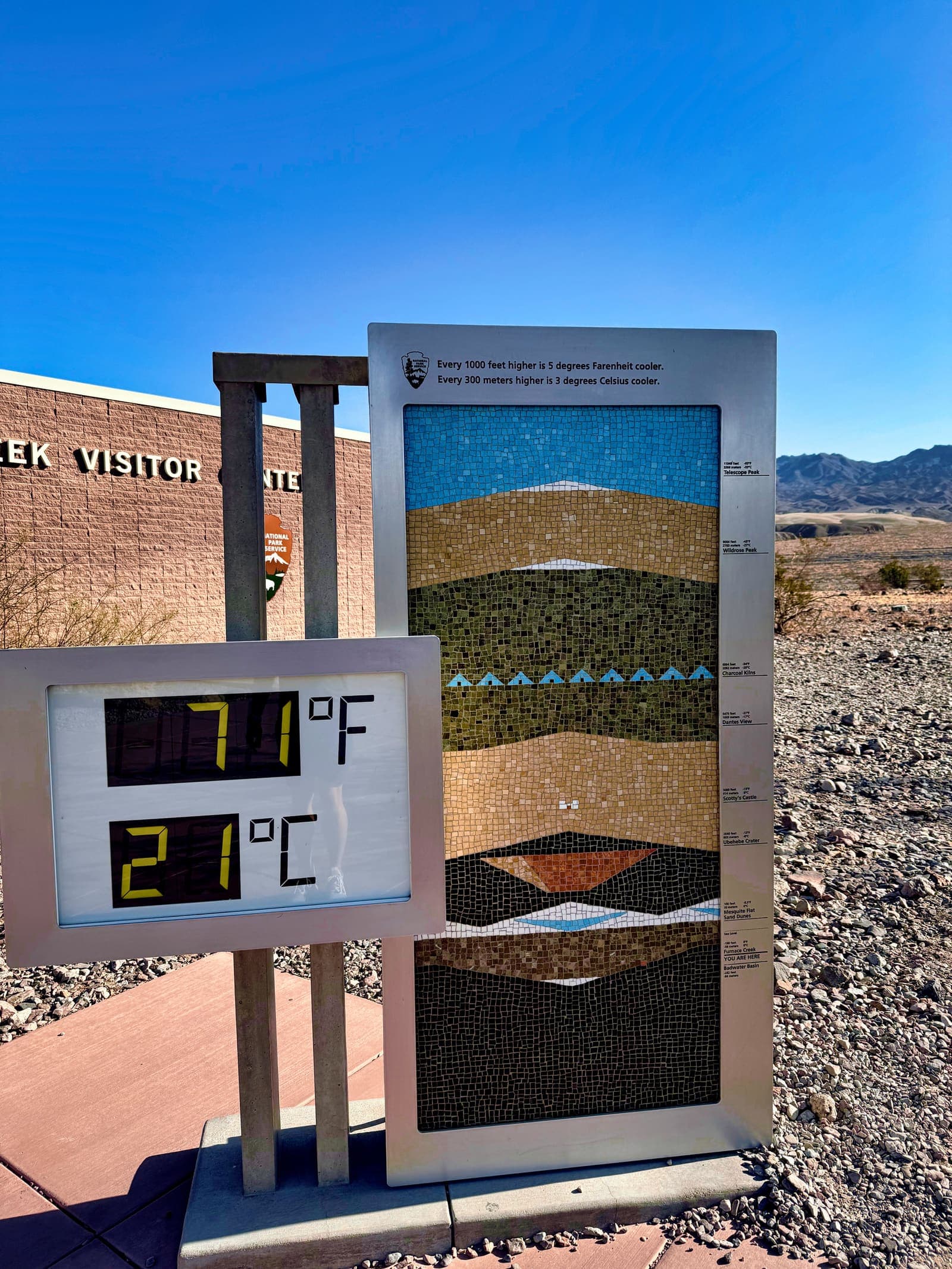
And here's the part that surprised me most.
How normal everything looks at first glance.
You step out of the car, walk across the salt flats, and think...
This isn't so bad.
The heat is intense, sure. But you've felt heat before.
You're tough. You drink some water. You keep moving.
And then a few minutes later... it hits you.

This is not normal heat.
This is not a place you can underestimate.
This is not something you can out-grit.
I stood at Badwater Basin. The lowest point in North America.

Wide. Empty. Silent. Dry.
Pressed down by conditions you can't control.
And I thought... this is what overextended leadership feels like.
This is what it looks like when you've been pushing too hard for too long.
And you don't even realize the damage until you're already in it.
The environment you create either sustains your team or drains them. And you usually don't notice the danger until it's too late.
You've built this environment.
Not on purpose. But you built it.
The week where you said "just push through" for the fourth month in a row.
The meeting where your strongest performer went quiet and you didn't stop to ask why.
The 1:1 you canceled because something more urgent came up... again.
Told yourself it was temporary. That things would calm down after this quarter.
Except the next quarter looked exactly the same.
And the one after that.
Watched your team member's energy drop and told yourself she's probably just tired.
Noticed the shorter tempers in meetings and chalked it up to a busy season.
Saw the resignation letter and felt blindsided... even though every sign was there for months.
You're not a bad leader.
You just didn't have a playbook for reading the warning signs before the heat won.
1. Your Team Isn't Burned Out Because They're Weak. They're Burned Out Because You Ignored the Signs.
This is the truth most leaders don't want to hear.
Burnout is not a people problem.
It's an environment problem.
Death Valley doesn't kill fragile things. It kills strong things that weren't given the conditions to recover.
Out there, a summer night may not cool off much past 85 degrees. Even the dark doesn't give you a break.
Read that again.
Your high performers aren't burning out because they're weak.
They're burning out because they're strong... for too long... without support.
A lot of leaders become that leader.
The one who expects the team to match their pace. Their drive. Their tolerance for pressure.
And when the team can't... they decide the problem is the team.
It isn't.
The signs were everywhere.
Shorter tempers. Reduced creativity. Withdrawal in meetings.
People doing exactly what was asked and nothing more.
Silence during discussions that used to be full of energy.
Your quiet employee who used to light up in brainstorms?
She's not disengaged. She's depleted.
She's been absorbing heat for months and nobody built her any shade.
When did you stop reading the warning signs... and start blaming the team for wilting?
2. Pushing Harder Past the Warning Signs Isn't Leadership. It's Negligence.
This one stings.
I know.
Because you didn't mean to push too hard.
You meant to set high standards. To build something great. To get results.
But there's a line between driving a team and draining a team.
And most leaders cross it without ever seeing it.
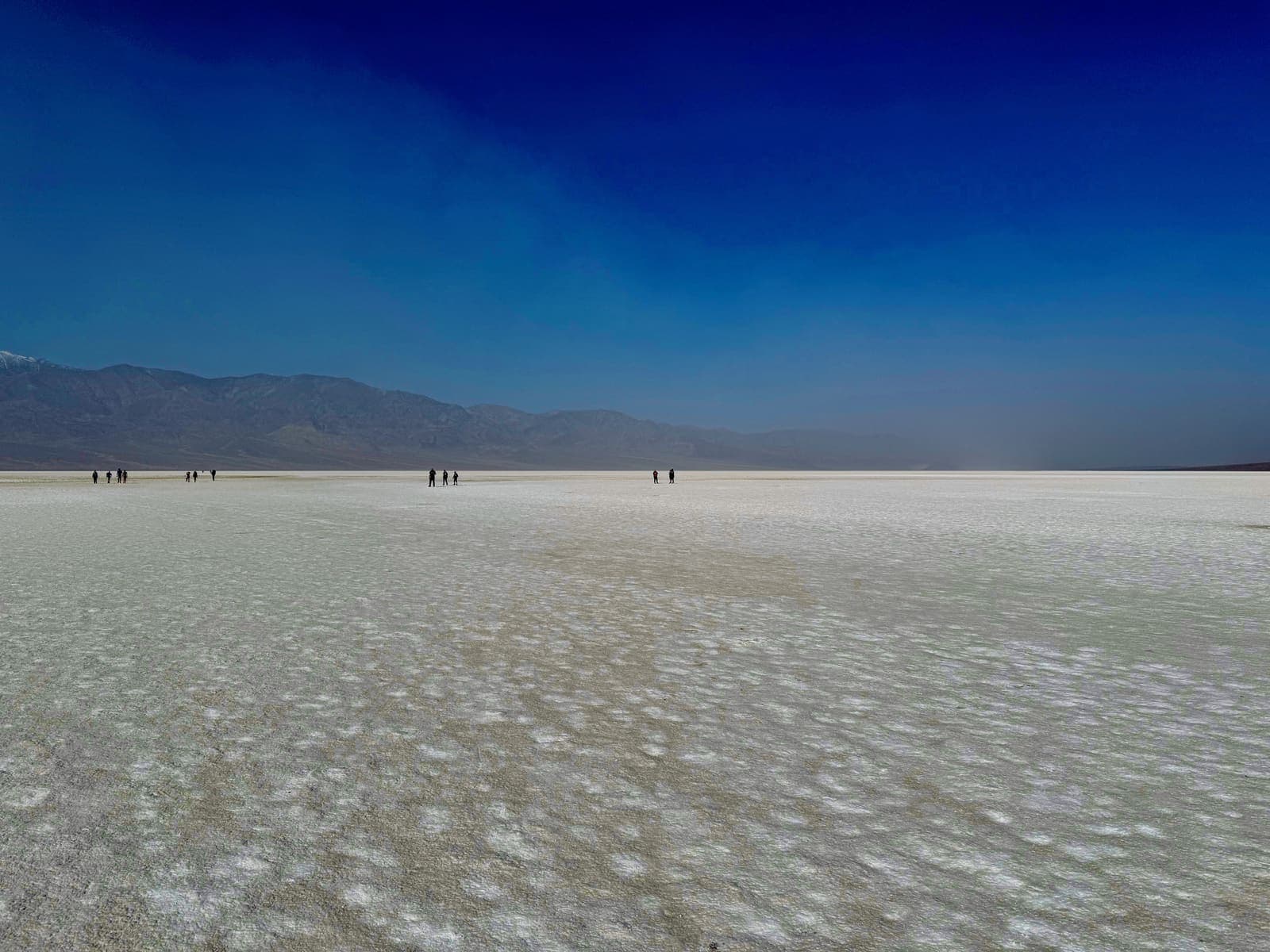
Death Valley doesn't care how strong you think you are.
You can't out-grit the heat.
You can't out-hustle dehydration.
You can't outrun the environment.
You survive by respecting the warnings.
It usually starts with a season of pushing.
One more week. One more sprint. One more deadline.
The team is showing every sign. And you tell yourself: we're almost through it.
You aren't.
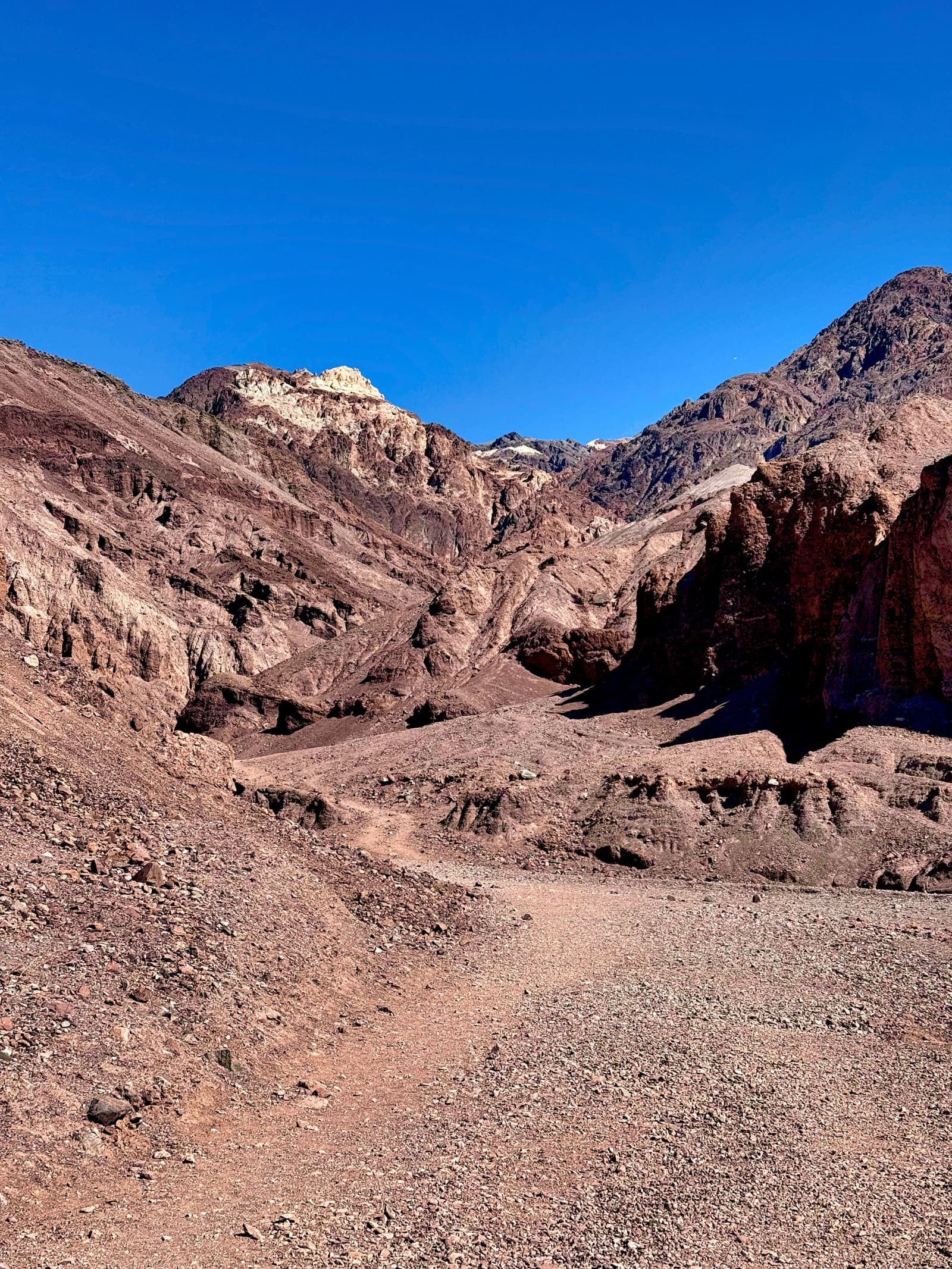
Then the best person on the team stops trying.
Not because she quit caring. Because she'd been caring at full capacity for so long that her system shut down.
Your team member who always agrees in meetings but never volunteers anymore?
He's not aligned. He's surviving. He learned that pushing back gets ignored, so he stopped.
Your people need to know what's expected of them.
But expectation without protection is just pressure with better language.
How many warning signs did you drive past this month... and call it leadership?
3. The Best Leaders Don't Drive Through the Heat. They Build Shade.
This is the shift.
The one that changes everything.
Nothing survives Death Valley by pushing harder.
Everything that lasts here learned to read the warning signs and adapt before the heat wins.
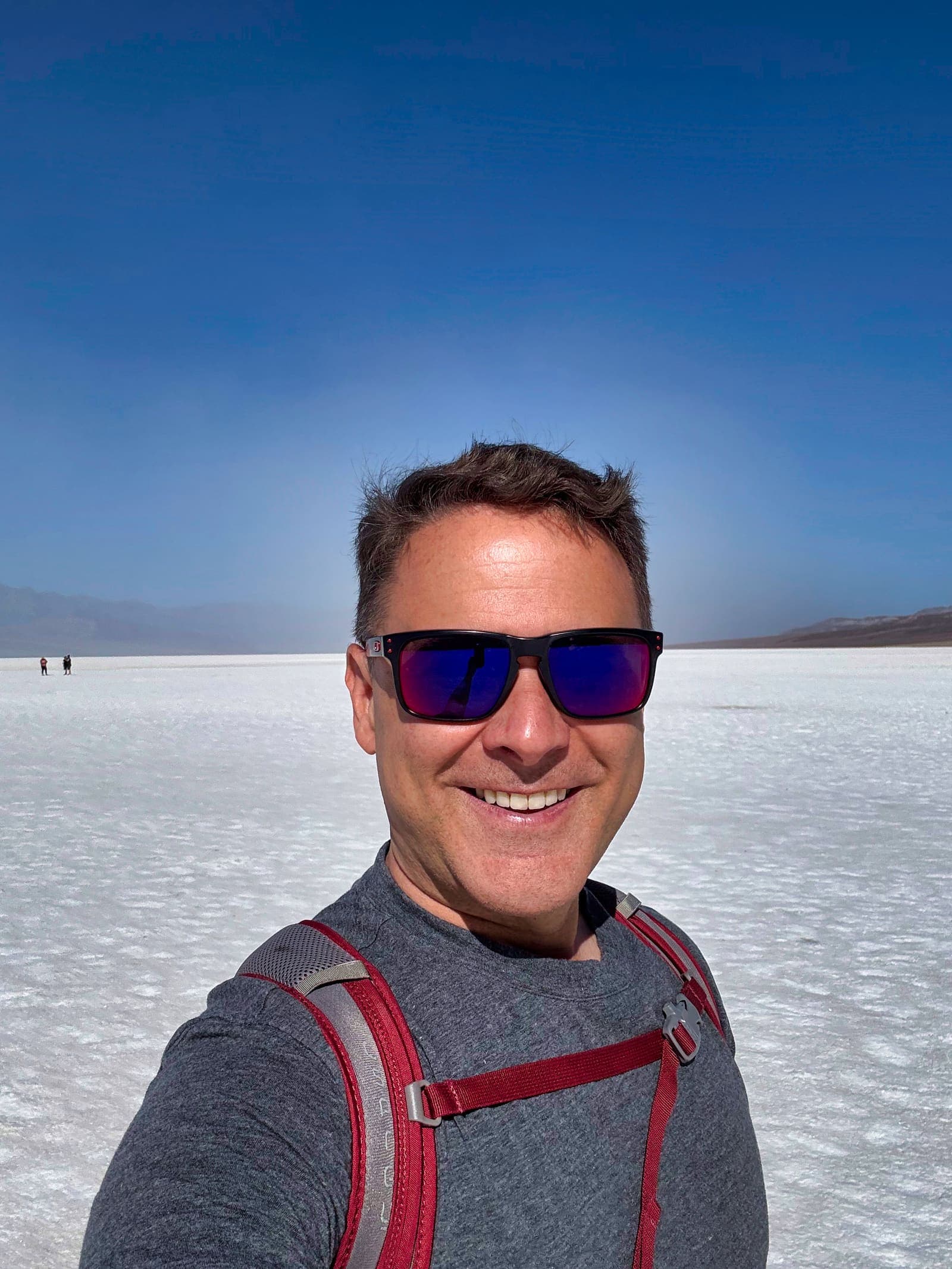
The plants that survive? They store water. They grow deep roots. They bloom only when conditions allow.
They don't fight the environment. They build for it.
That's what a playbook does.
Not more pressure. More protection.
Not more demands. More shade.
Not harder pushes. Smarter systems.

Clear expectations so people know what success looks like without running on fumes to figure it out.
Recovery rhythms so your team can sustain high performance instead of sprinting to collapse.
Feedback loops so warning signs get caught early... not after the damage is done.
Picture a leader who's running her team into the ground.
Good intentions. Great goals. Terrible environment.
Now picture her building a playbook with clear roles, realistic timelines, and protected recovery...
Her team's energy comes back. Creativity comes back. Trust comes back.
Not because she lowered the bar.
Because she built shade.
Your strongest performer... the one who keeps delivering?
She needs shade. Not because she's weak. Because she's been standing in direct sun for months.
What if the most powerful thing you could do right now... isn't push harder, but protect better?
Something People Endure
Your best people leave... and you act surprised.
Your culture becomes something people endure instead of something they believe in.
Your meetings get quieter because people learned that honesty isn't safe.
Your team's creativity flatlines because survival mode doesn't produce innovation.
Your own health takes the hit you keep pretending isn't happening.
And you end each quarter wondering why the results aren't matching the effort.
But when you build the shade?
When you read the signs and respond before the breaking point?
When the playbook protects the people instead of just demanding from them?
Everything changes.
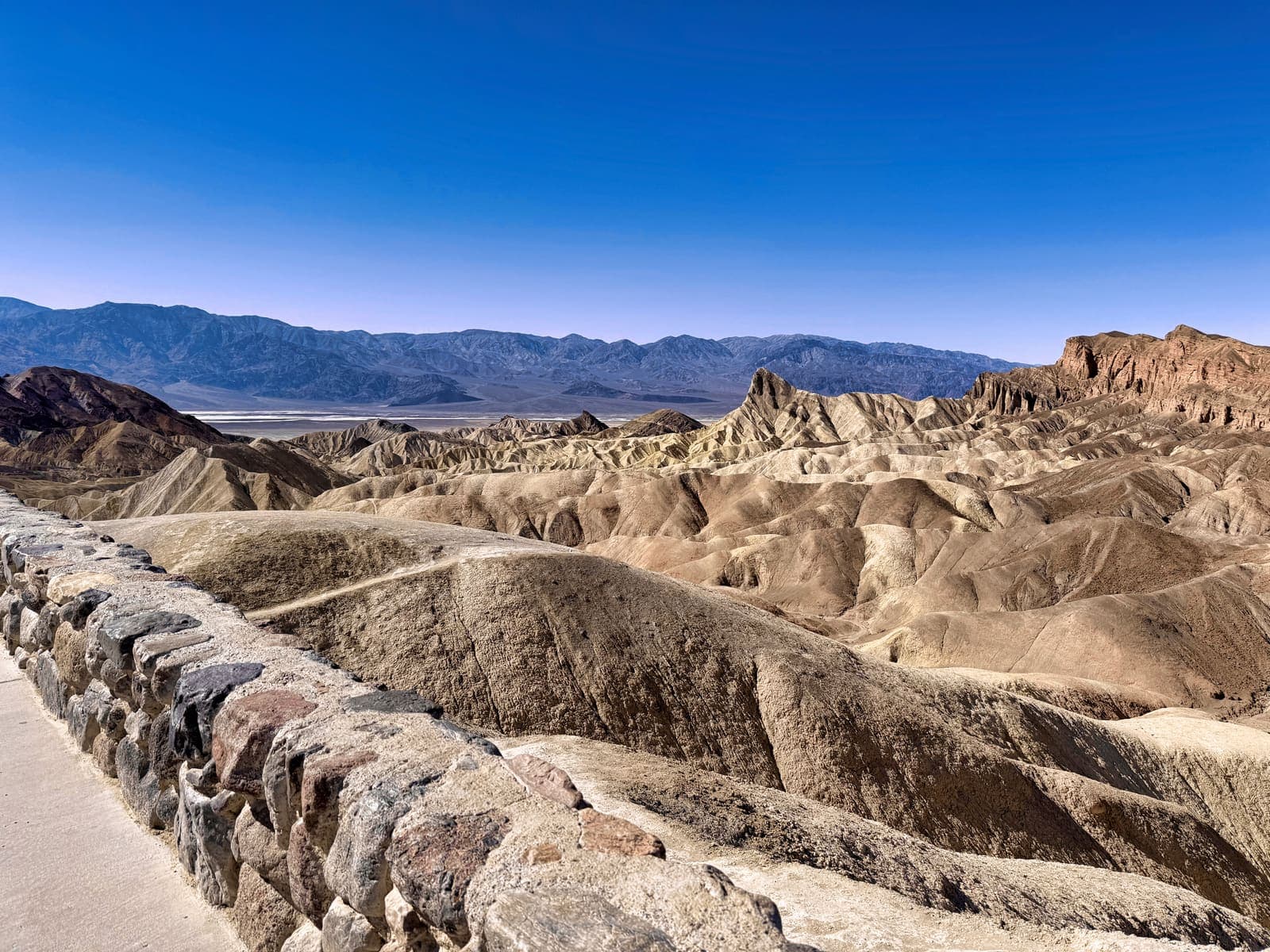
Environments Can Be Redesigned
You set out to build something worth being part of.
You cared about the people, not just the results.
Somewhere inside, you believed leadership should make things better, not harder.
And somewhere along the way... the heat became normal.
The pace became the identity.
And the warning signs became background noise.
Death Valley reminded me of something I can't afford to forget: the environment I create is the environment my team has to survive in. And if I'm not reading the signs... I'm part of the problem.
Your team isn't the problem.
The absence of a playbook that protects them is.
And that's actually good news... because environments can be redesigned.
One Real Conversation
Think about one person on your team who seems quieter, flatter, or more withdrawn than usual.
Now ask yourself:
Is this a performance issue... or an environment issue?
Have a real conversation. Not a check-in. A real one.
Ask: What's one thing I could change that would make your week better?
Then listen.
Don't fix. Don't defend. Just listen.
Write down what you hear.
Because the warning signs are already there. You just have to stop long enough to read them.
Death Valley doesn't hide the cost of extremes.
It reveals it.
Your turn.
You don't need a new personality.You need to see the pattern.
If you just counted the warning signs you've been driving past, yours included, Clarity First is where you learn to read them before the heat wins.
See Clarity First

Founder, Lead Differently
The Lead Differently movement. For leaders who got the position without the playbook. Built around how you're actually wired.