Make Recovery Non-Negotiable for Your Leadership:Hot Springs
The leaders running on empty are the last ones to admit it.
They call it dedication.
They call it grinding.
They call it "just a busy season."
But their focus is gone. Their patience is gone. Their presence is gone. And they don't even notice.
Most leaders live inside one sentence:
"I don't have time for this right now. Things are too busy. Maybe when things calm down."
So they keep pushing.
Keep absorbing.
Keep showing up at 80 percent and calling it leadership.
And they wait. For a break that never comes. For a season that never slows. For some magical version of their life where recovery finally makes the list.
But here's the hard truth:
Things will never calm down. That IS the problem.
The time you invest in recovery now is the only thing that gives you your head back. Your presence back. Your leadership back.
Waiting is not patience. Waiting is the most expensive decision a leader can make.
Hot Springs Doesn't Look Like Most Parks. That's the Point.
There are no towering cliffs here.
No vast canyons. No rugged backcountry that dares you to conquer it.
Hot Springs invites you into something quieter. More human. More ancient.
People have been coming here for generations to heal. To slow down. To stop pretending they can run at full speed forever. To return to themselves.
When I arrived, I thought I'd see a pretty town with historic bathhouses and some trails.
I didn't expect to feel a sense of exhale in my body that I hadn't noticed I'd lost.
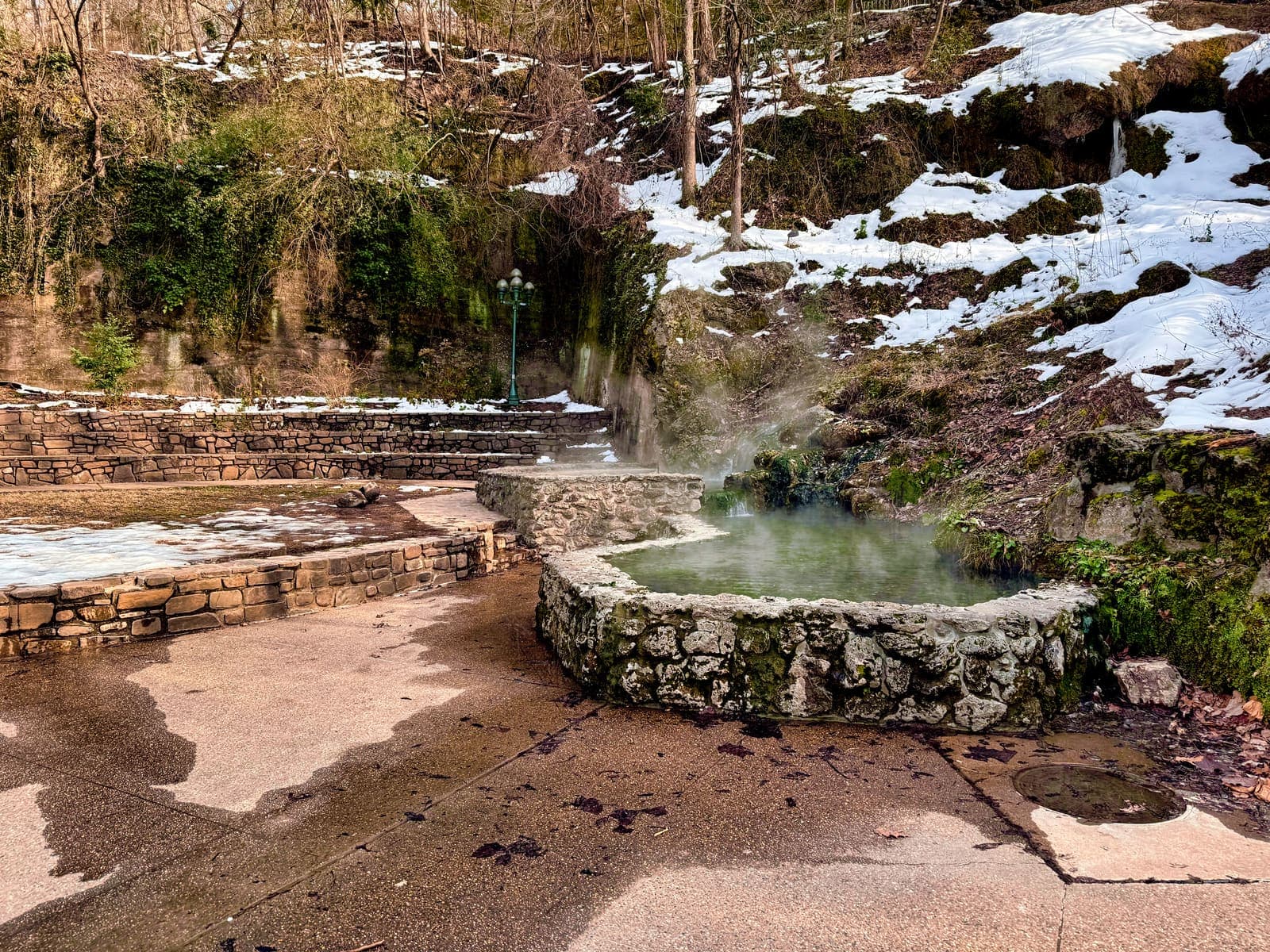
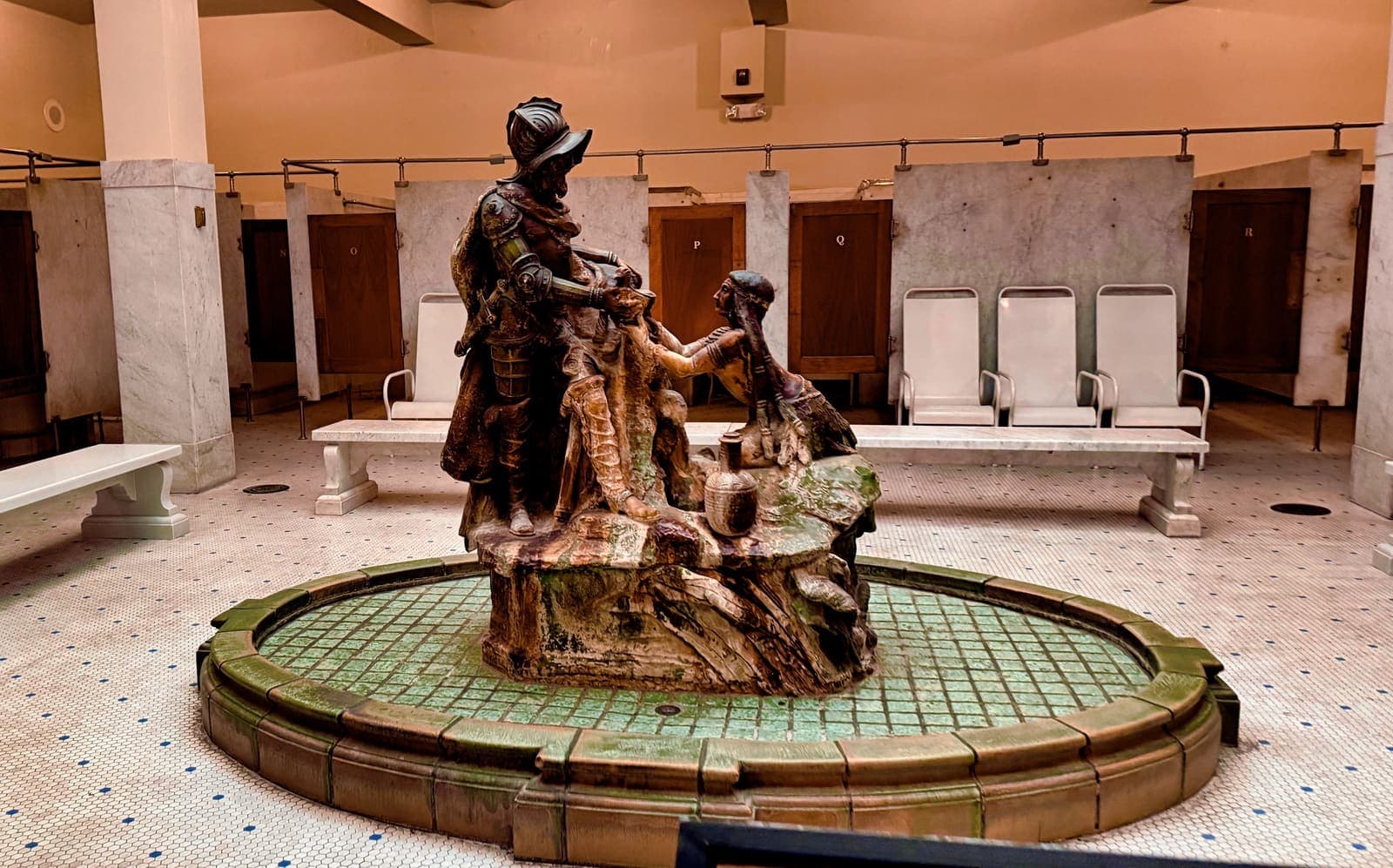
Walking up the Grand Promenade... listening to the water moving under the grates... smelling the mineral steam... feeling the warmth of the springs rising from the earth... something in me shifted.
Not dramatically.
Not suddenly.
But clearly.
It was the first time on my trip where the landscape didn't ask me to push.
It asked me to stop.
To be still.
To breathe.
To notice what I'd been carrying... and set some of it down.
And I realized something I didn't want to admit:
I hadn't fully exhaled in weeks. Maybe longer.
Standing near one of those springs, watching heat rise from the earth like it had all the time in the world... I felt the truth land in my chest:
You can't think straight when you're exhausted. And you've been exhausted for a long time.
That's You in the Monday Meeting
You know the feeling.
You're in the room. You're technically present. But your mind is somewhere between the last fire you put out and the next one that's about to start.
Your patience is thinner than it should be. Your thinking is smaller than it used to be. Your reactions are sharper than you'd like.
You used to have ideas in those meetings. Now you just have opinions. You used to have curiosity. Now you just have impatience. You used to be the person who energized the room. Now you're the person trying to get through it.
And you keep telling yourself the same thing... "I'll rest when things slow down."
But things don't slow down. They never have. And the version of you that shows up depleted is the version your team actually gets. Every single day.
Not the version you were when you started this role. Not the version you know you're capable of. The tired version. The reactive version. The one running on muscle memory instead of presence.
1. Your Capacity Isn't Fixed. It's Maintained.
You're not running out of capability.
You're running out of recovery.
There's a difference. A big one.
Your best ideas, your best strategies, your best presence with your team... all of that comes when the system underneath is regulated and restored. When the foundation is solid. When the well isn't dry.
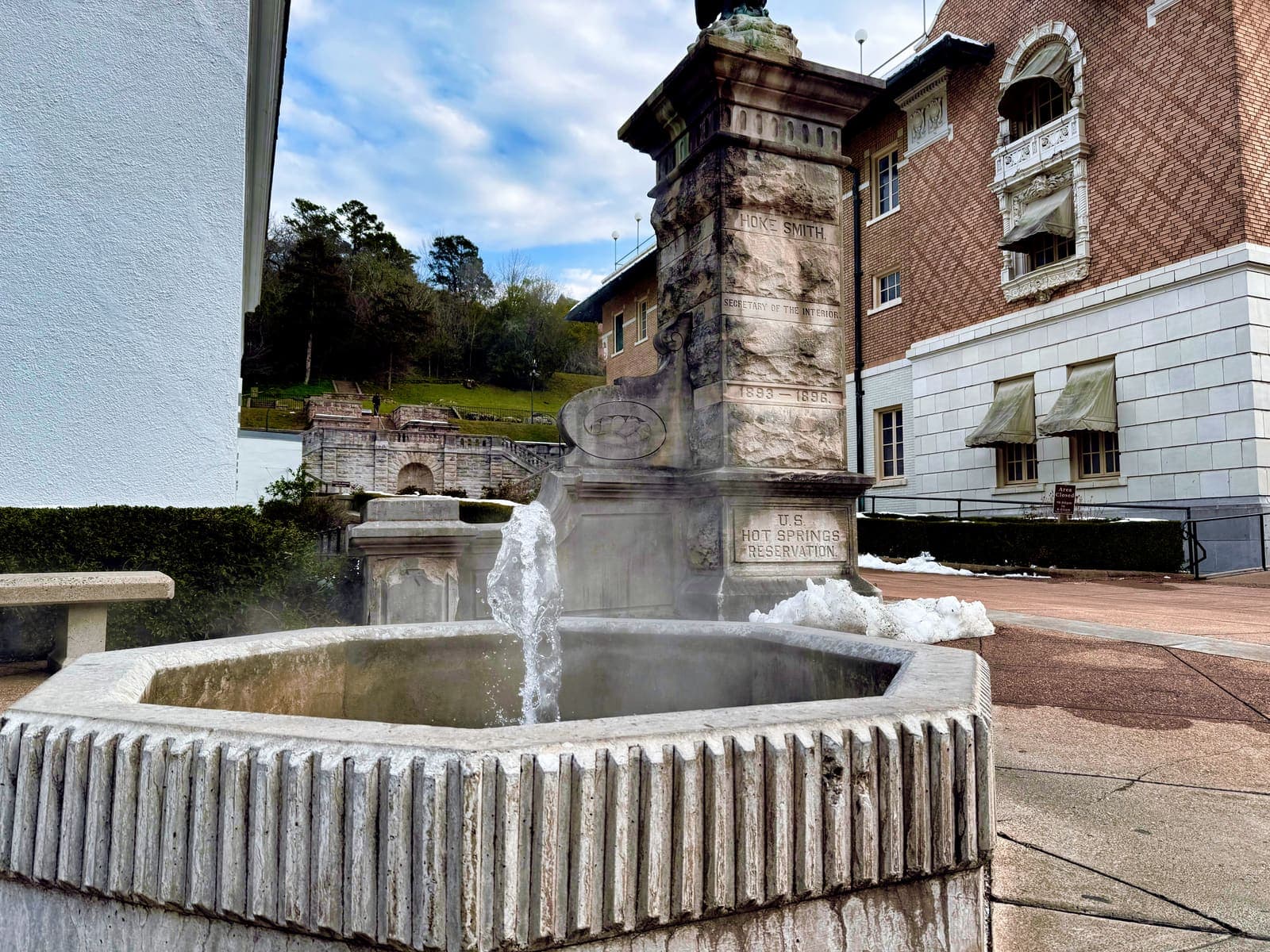
Hot Springs taught me that. I noticed it in the springs... heat that keeps flowing, day after day. Not because it pushes harder. Because the system underneath supports it.
The water coming up today fell as rain more than 4,000 years ago. It soaked into the ground, sank thousands of feet, warmed on the way down, and worked its way back up.
Nothing comes out of those springs that didn't go in first.
And then the gut punch: I expect myself to burn like this spring... but I don't support myself the way the earth supports this spring.
I push. I grind. I absorb. I hold space for others. I lead. I coach. I create. I decide.
But I wasn't recovering at the same rate I was giving.
That's not leadership. That's depletion disguised as responsibility.
Recovery is not something you earn after the hard season. It's how you survive the hard season.
It's how you lead through it without losing yourself inside it.
2. Doing More Is Not the Same as Leading Well
Busyness is not leadership.
Hyper-functioning is not leadership.
Exhaustion is not leadership.
Leadership requires focus, presence, and emotional steadiness. And none of those survive without recovery.
When you run without recovery, your reactions get sharper. Your thinking gets smaller. Your decisions get heavier. Your tolerance gets thinner. Your communication gets shorter. Your self-trust gets shaky.
And it doesn't just affect you. It radiates. Your team mirrors your energy. When you're running hot, they brace. When you're running empty, they disengage. When you're inconsistent, they stop trusting the ground under their feet.
Recovery doesn't just restore your body. It restores your leadership.
Leaders don't need more hours. They need more renewal.
And the ones who figure that out stop burning through people... and start actually building something that lasts.
3. Recovery Is Not Downtime. It's Preparation.
Top performers in every field know this.
Athletes build recovery into their training plans. Not after the season. During it. Because they know the performance comes from the restoration, not just the reps.
Musicians protect their rest like it's gold.
Pilots have strict recovery windows that aren't optional. Not because they're fragile. Because the stakes are too high to fly tired.
Therapists have supervision and grounding routines built into their week.
Leaders? Leaders try to be superhuman... and then wonder why they're foggy, frustrated, and fried by Thursday.
You wouldn't run a machine at full capacity 24/7 without maintenance and expect it to perform. But that's exactly what you're doing to yourself. And then blaming yourself when the output drops. That's not a discipline problem. That's a design problem.
Recovery is what strengthens you for what's next. Not what sidelines you from what's now.
The leader who builds recovery into the rhythm doesn't slow down. They show up with the kind of presence that makes every hour count for more. That's not soft. That's the most strategic thing you can do for your team.
Running on Fumes
Here's what happens when you don't recover:
You lose your ability to think straight when it matters most. You react instead of respond. You snap at people you care about. You avoid the hard conversations because you don't have the emotional bandwidth to hold them.
And your team feels every bit of it.
They can't always name it. But they feel the inconsistency. The tension. The short fuse. The distraction. The version of you that used to inspire them... replaced by the version that's just trying to survive the week.
That's when the quiet damage starts. People stop bringing you the real stuff. They manage around you instead of with you. They protect themselves from your mood instead of leaning into your leadership.
Burnout doesn't come from working hard. Burnout comes from never recovering.
And the cost isn't just yours. It's the culture you're creating while running on empty.
Connected to Something Deeper
You got into leadership because you cared about making a difference.
And somewhere along the way, you started giving everything to the role... and keeping nothing for yourself.
Not because you're bad at boundaries. Because recovery was never treated as part of the job. It is. Showing up restored is a leadership responsibility, not a personal luxury.
Hot Springs reminded me of a hard truth:
You can't pour from empty. And leading from depletion doesn't make you tough. It makes you ineffective in the moments that matter most.
The springs keep flowing because they're connected to something deeper, and because the rain keeps refilling it.
Your leadership works the same way... but only if you build the rhythm that keeps you filled.
Schedule the Exhale
Ask yourself one question:
Where do I need real recovery... not just a break?
Then choose one small shift:
A night with no work. A morning without urgency. A boundary you enforce. A conversation you reschedule so you can show up fully. A walk without your phone.
Not punishment. Not retreat.
Restoration.
Write it down. One recovery shift. This week.
The leaders who create space to recover are the leaders who still have something left to give.
Don't wait for the break to come to you. Build it.
You don't need a new personality.You need to see the pattern.
If this note showed you a pattern you recognize, Clarity First is where you learn to catch it before it fires.
See Clarity First

Founder, Lead Differently
The Lead Differently movement. For leaders who got the position without the playbook. Built around how you're actually wired.