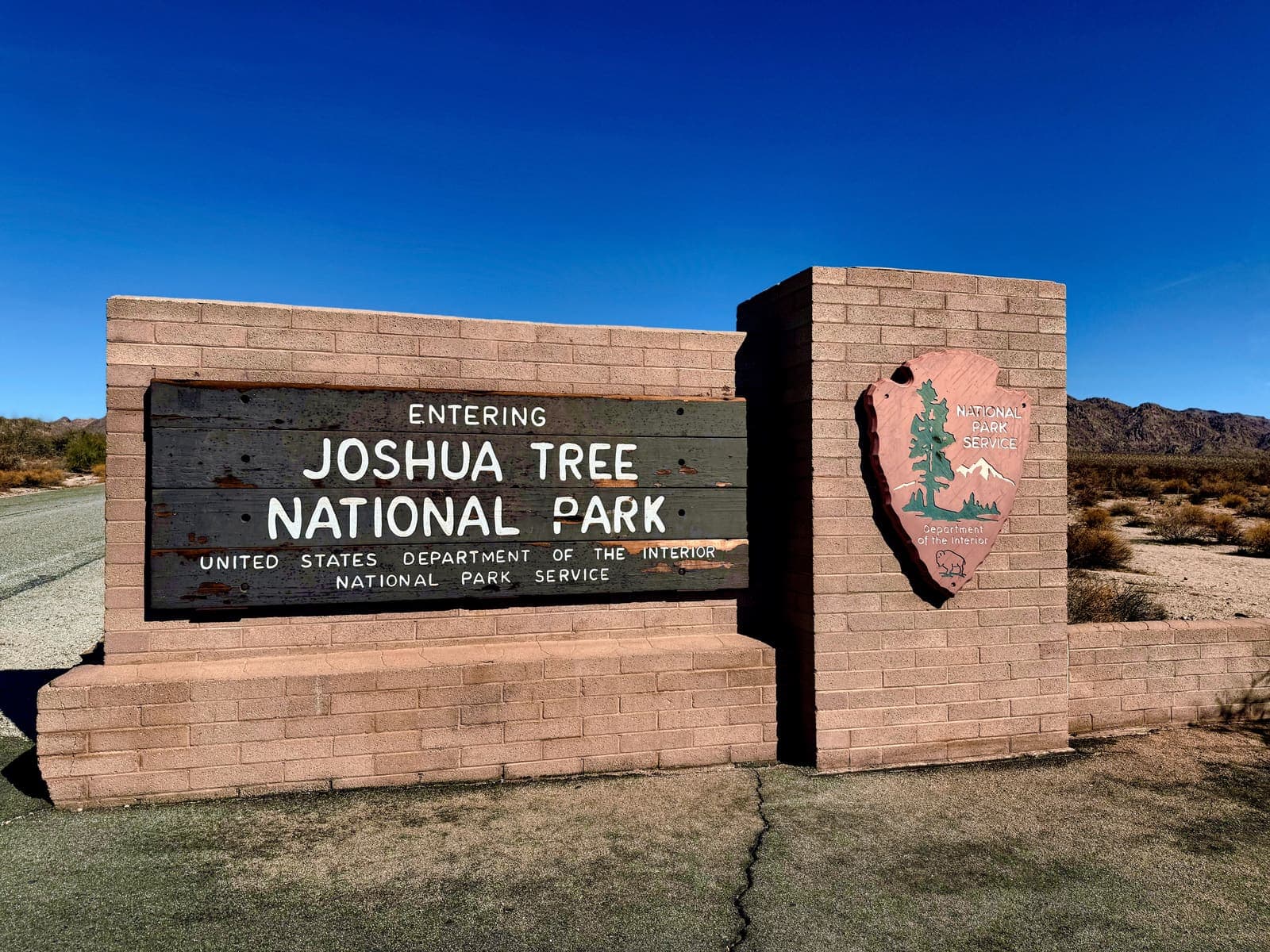
Lead the Ones Who Don't Fit the Mold:Joshua Tree
The people on your team who don't fit the mold are the ones who are going to change everything.
If you know how to lead them.
If you don't... you lose them. And they were the ones you most needed to keep.
The old model told you good leadership was about consistency.
Build a mold. Hire into it. Train into it. Evaluate against it.
If someone doesn't fit, either fix them or move them out.
Reward people who work, think, and deliver the way you expect.
Smooth is good. Symmetrical is good. Predictable is leadership.
That model produces teams that look the same on paper and perform inconsistently in practice.
And Joshua Tree tears it apart in about ten minutes of hiking.
The Afternoon Joshua Tree Made Me Question How I'd Been Leading
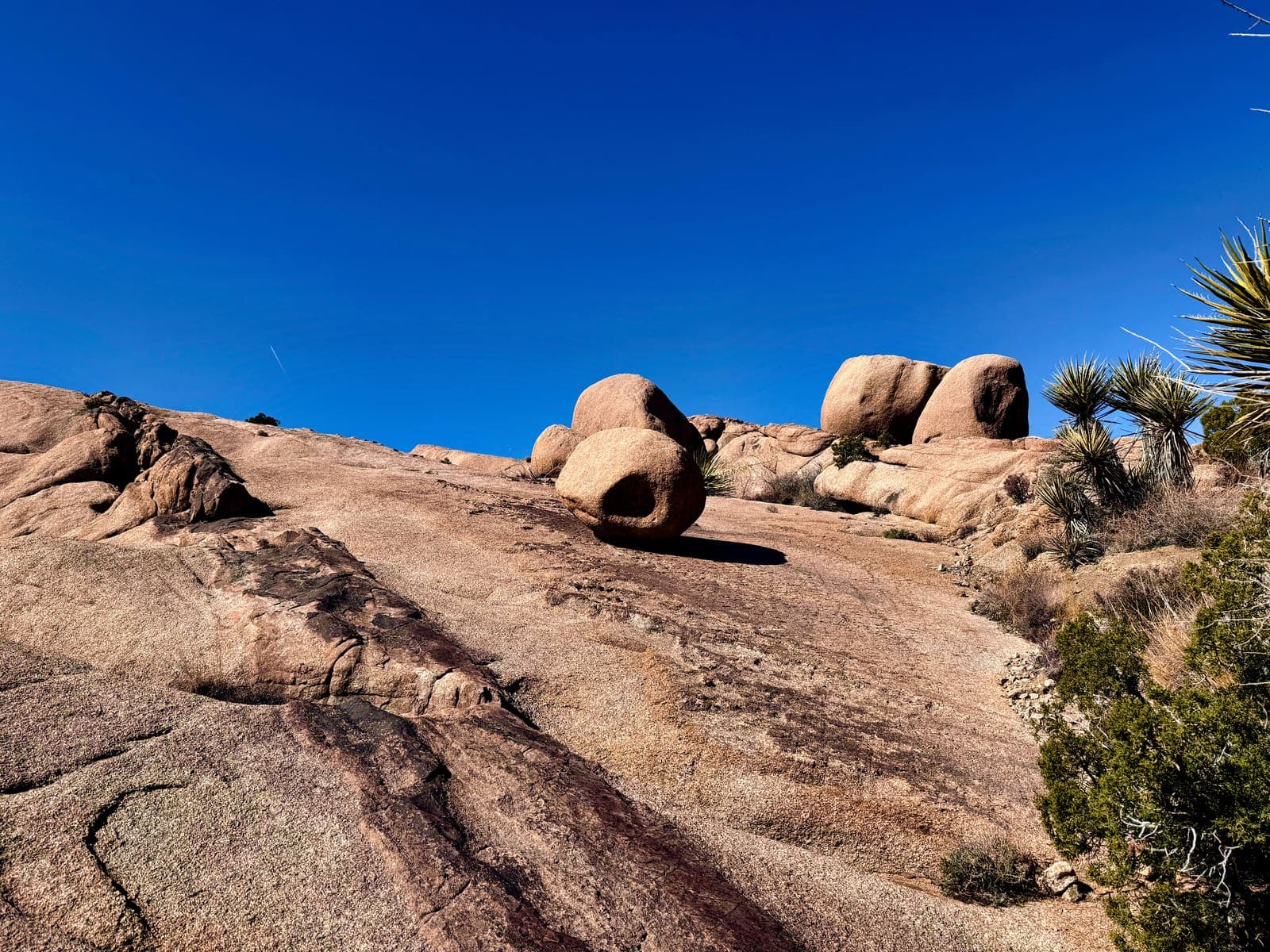
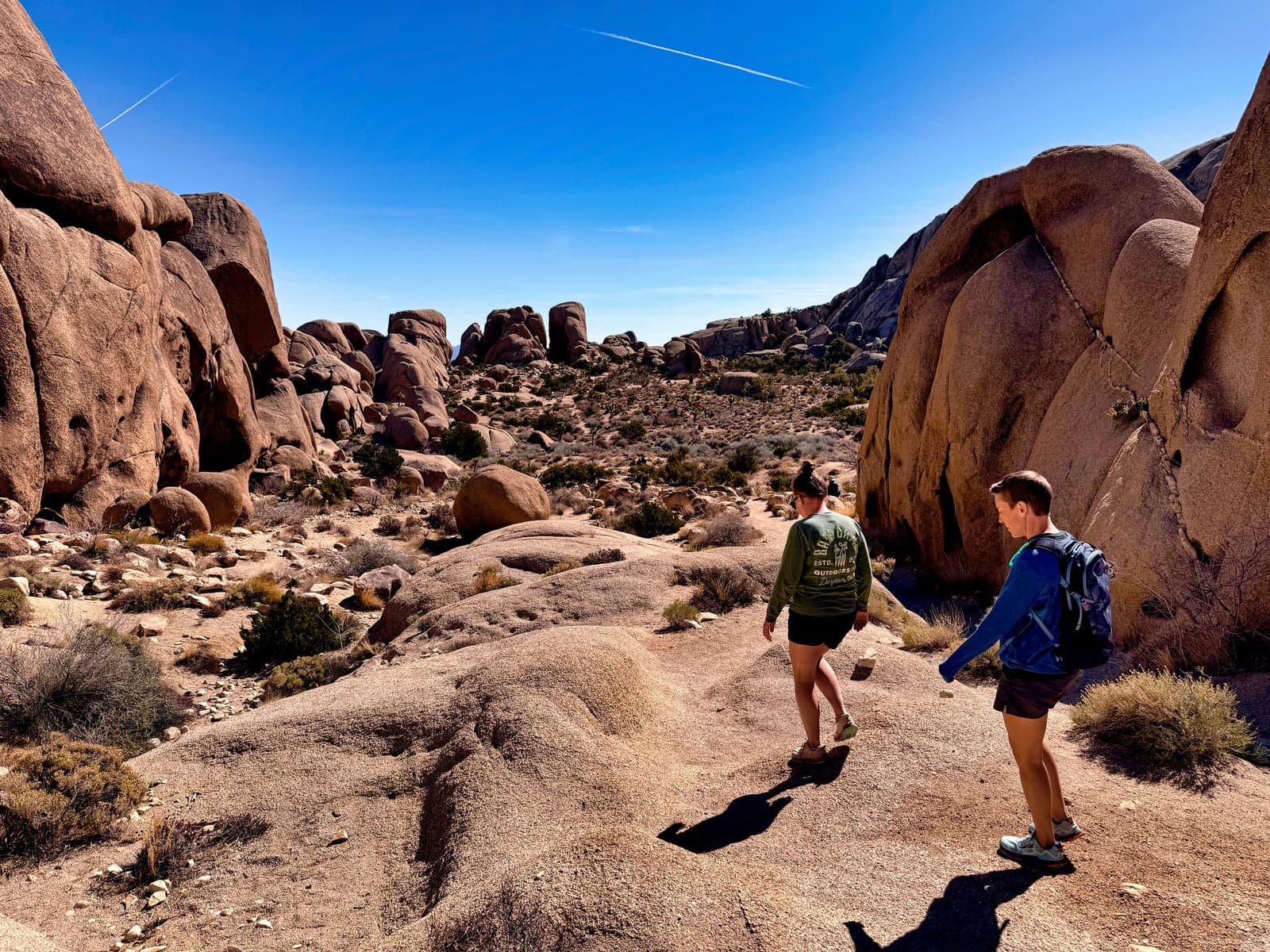
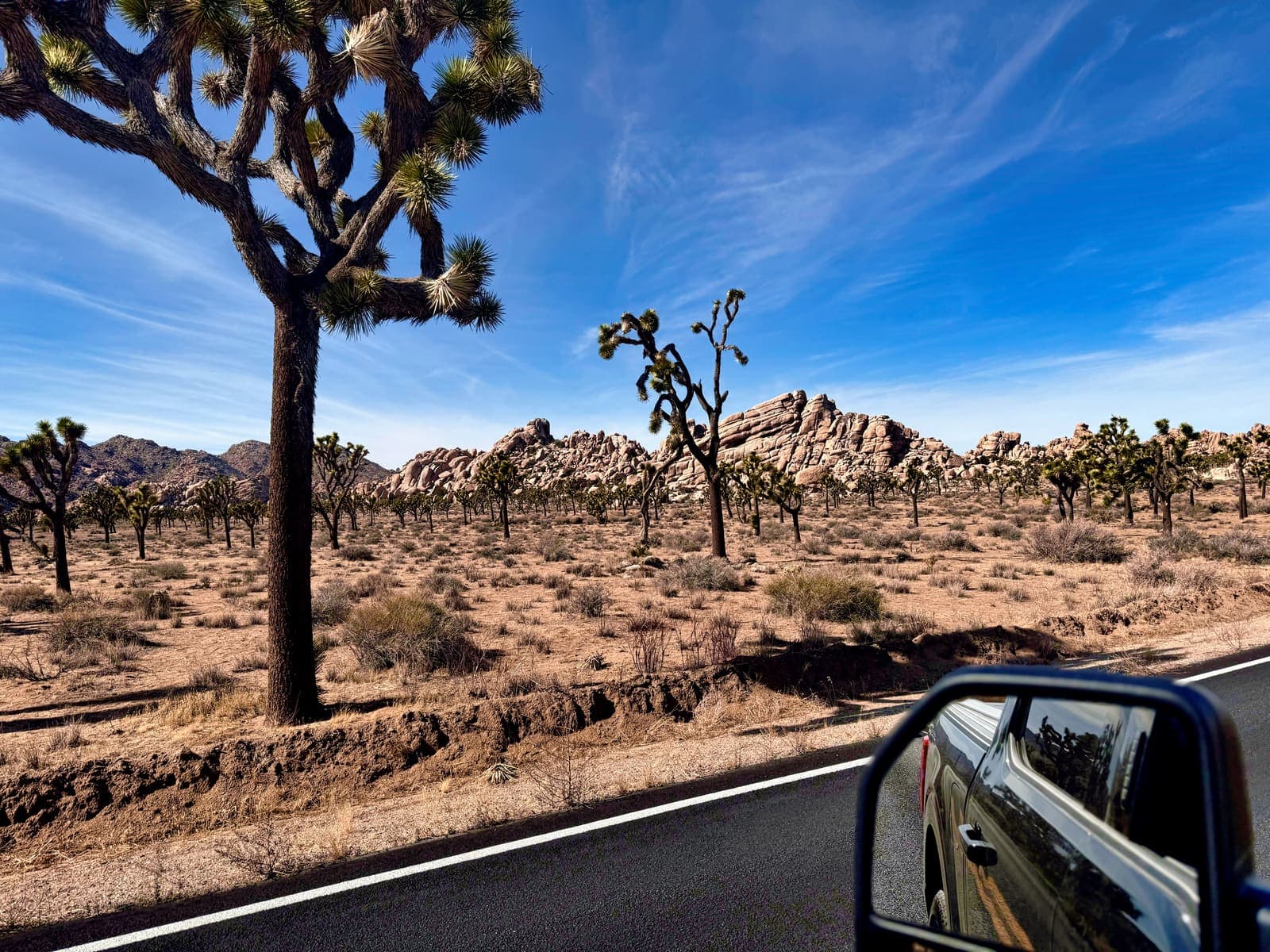
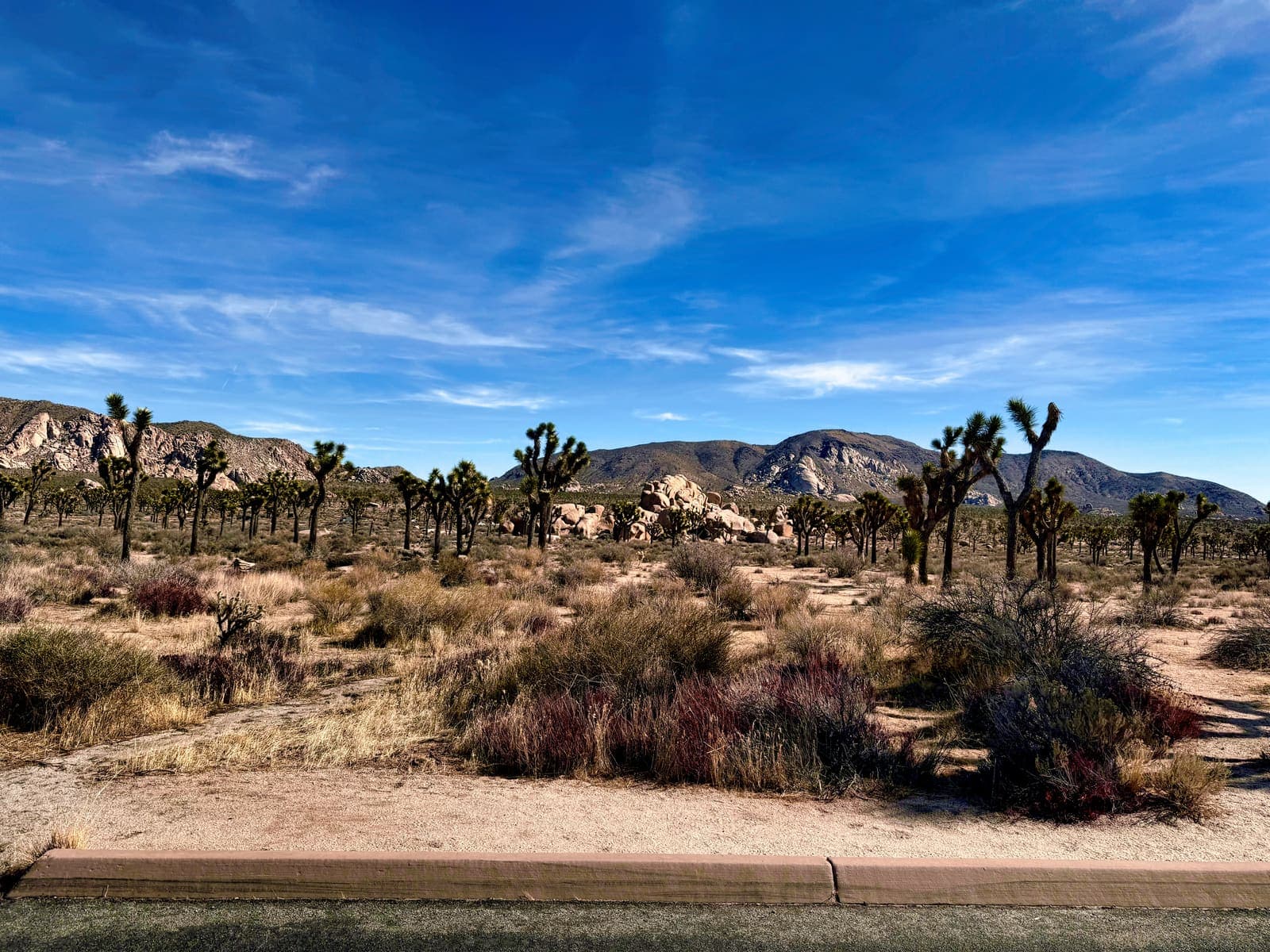
I pulled off the highway at Hidden Valley and walked into a landscape that looked like somebody made it up.
Boulders the size of buildings. Piled up in ways that should not structurally be possible.
And everywhere around them...
Trees that were not really trees.
Joshua trees.
Bent.
Twisted.
Asymmetrical. Branches splitting in every direction like they couldn't agree on where to grow.
Spines that looked fragile.
Trunks that leaned.
Shapes that violated every rule you ever learned about what a plant should look like.
If you dropped a Joshua tree into any forest anywhere else on earth, it would look broken.
Out of place.
Wrong.
Something to be fixed.
Here... it is the entire signature of the landscape.
People travel across the world to see these not-quite-trees.
The park is named after them for a reason.
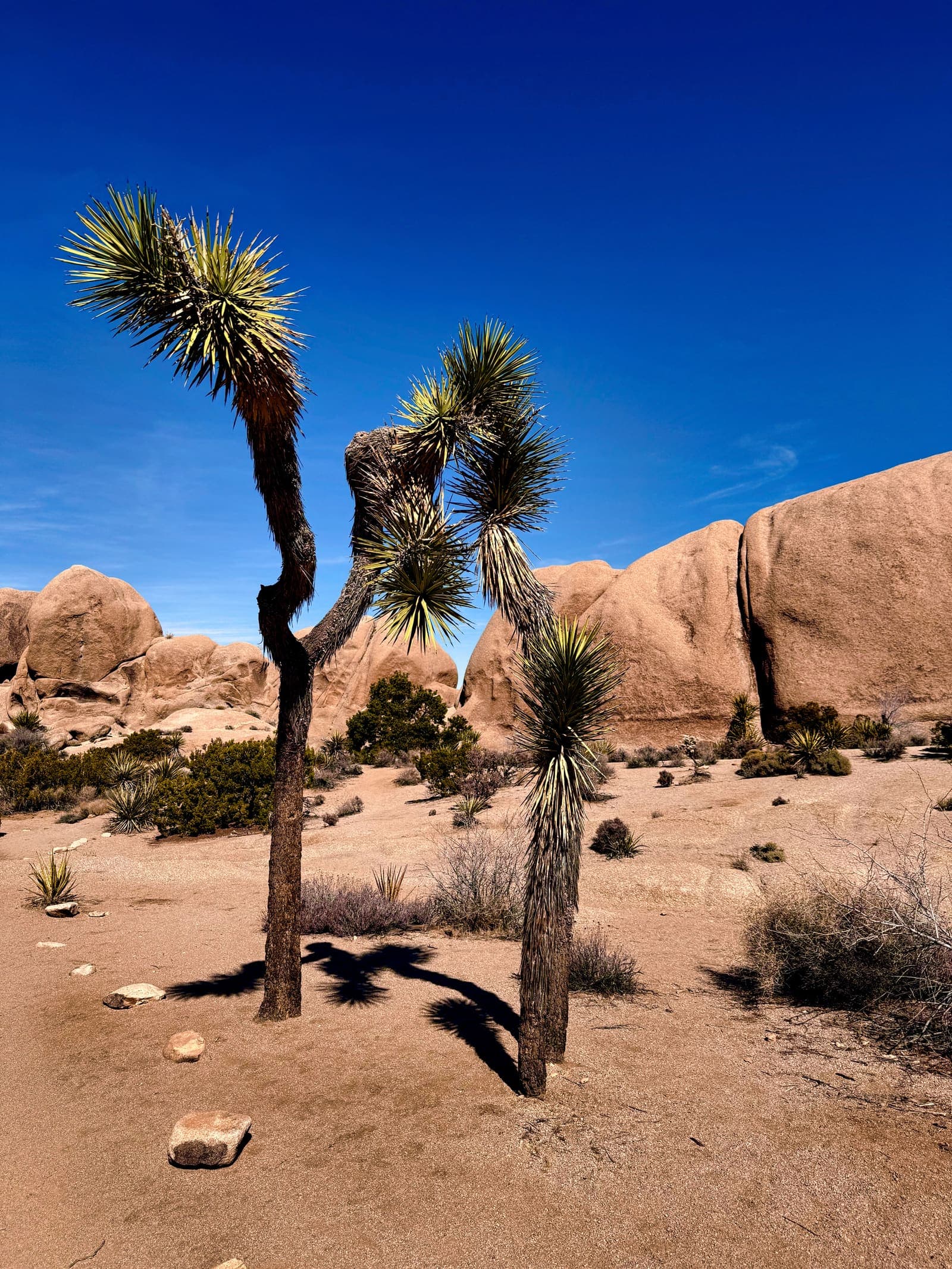
I walked further into the valley and stood in front of one that was pushing two decades older than I am.
Branches going in five directions.
Not one of them symmetrical.
Every one of them alive.
I had one of those thoughts I wasn't ready for.
If I had this tree on my team, I would have spent three years trying to make it grow straight.
Trying to prune the weird branches. Trying to correct the lean. Trying to get it to match the shape of the trees I already knew how to lead.
And if I had, I would have killed the one thing about it that actually made it powerful.
The desert doesn't ask a Joshua tree to fit a mold.
The desert lets it be what it is.
And the tree repays that with a century of surviving conditions nothing else would.
The Joshua tree was never supposed to thrive here. It did anyway, because it stopped trying to grow like everything else.
Sound familiar?
You've watched your most unconventional team member hit a wall that wasn't theirs.
You've watched them try to flatten their edges so they could get through a review cycle. Watched them get quieter in meetings where their best ideas used to come out sideways.
You've given feedback that sounded like coaching and landed like pruning.
You've rewritten someone's work in your tone and called it polish.
You've rewarded the person who communicates the way you communicate and quietly overlooked the one who doesn't.
You've had the promotion conversation where you passed on somebody who was doing the more interesting work... because they didn't perform the readiness the way the mold required.
You've walked out of a 1:1 with someone who thinks in circles and told yourself they needed to be more linear.
You've done all of that while telling your team you value difference.
You meant it.
But the mold was still running underneath the words.
1. The People Who Don't Fit the Mold Are the Ones Who Change Everything
Here's the uncomfortable truth.
The people who eventually reshape your team are almost never the ones who fit the mold cleanly.
The ones who fit cleanly do great work. They move the quarter. They keep things running.
But they don't change anything.
The people who change things usually arrive a little bent.
Wired different. Wrong shape. Awkward angle. Ideas that don't land in the first meeting because the room doesn't have the language yet.
Joshua trees look like they shouldn't survive.
Thin bark. Awkward branches. Roots that spread wide instead of going deep. Spines that look fragile.
In any forest anywhere else, they wouldn't make it.
In a place where the environment rewards difference, they define the whole landscape.
Your team works the same way.
The person on your team who challenges assumptions isn't being difficult.
They're seeing a blind spot you don't yet have words for.
The one who moves slowly at first isn't underperforming.
They're gathering context at a depth your mold doesn't measure.
The quiet one who doesn't speak in meetings isn't disengaged.
They're processing more of what's happening in the room than anyone else.
I've been the leader who interpreted a Joshua-tree employee as broken.
I tried to smooth the branches. Tried to straighten the lean.
I'm still apologizing in my head to a few of them.
Who on your team is currently bending to fit a mold you didn't mean to enforce?
2. The Old Model Fixes What's Different. The New Model Builds Around It.
Here's what the Joshua tree kept showing me.
Every branch was allowed to go where it needed to go.
Nobody pruned it back into symmetry.
Nobody told it to grow faster, straighter, cleaner.
It grew the way it needed to grow to survive that valley... and the desert built an ecosystem around its weirdness.
The old model of leadership does the opposite.
It identifies the difference and tries to fix it.
Feedback cycles that smooth the edges. Performance rubrics that reward predictability. Promotion criteria that measure fit before they measure impact.
The mold wins. The difference loses.
The new model does what the desert does.
It notices the difference, names the strength underneath it, and builds the environment around what that person actually brings.
Your right hand, the one who carries it when you're not in the room, isn't interchangeable.
They carry it the way they do because of the exact combination of strengths you would have edited out if they'd arrived on your team six months later with you in a hurry.
The one everyone goes to before they come to you isn't your backup. They're a center of gravity your mold would not have predicted.
Your newest person, three months in, is currently deciding whether to bring their whole wiring to the team or just the version of it that won't get pruned.
They're watching what you rewarded in the last review cycle.
They're watching who got the promotion.
They're watching who got quoted in the all-hands.
I've caught myself building my team around the mold and telling my team I wasn't.
The mold was doing the selecting for me. I just got to claim the language of difference.
What strength on your team is being quietly pruned into something more familiar... and what are you losing as it grows straighter?
3. Strengths That Look Like Weakness Under the Old Model Become Superpowers Under the New One
Here's the hard one.
Some of the things you've been coaching your people to fix are the things that would make them extraordinary if you built the right environment around them.
The overthinker you keep pushing toward faster decisions is the one who would see the bet everyone else missed.
The one who goes deep before going wide is the one who would build the system your team needs.
The one who feels things harder than the rest of you is the one who would notice the morale shift before the resignation.
The old model labels all of that as weakness.
Too slow. Too intense. Too much. Not scalable.
Fix it. Smooth it. Get it inside the mold.
Joshua Tree does not agree.
The same traits that would kill a Joshua tree in another ecosystem are what make it dominant in this one.
Wide roots instead of deep roots catch every bit of rain that hits the desert floor.
Thin bark lets it regulate temperature through freezing nights and 110 degree days.
Twisted branches shed wind that would snap anything symmetrical.
What looks like weakness in one environment is the whole engine of survival in another.
Leaders who understand this stop asking how to fix their people.
They start asking what environment would let this person's weirdness become a superpower.
The person who hedges now in rooms where they used to have clear opinions isn't losing confidence.
They're calibrating to a mold that punished their clearest opinions the last two times they tried.
The one who used to bring ideas to every meeting and now just executes isn't out of ideas.
They gave you three. You smoothed them into something more palatable. They got the message.
I've watched myself do that and then wonder where the fire went.
The fire didn't go anywhere. I sanded it off to make the team easier to manage.
What strength on your team is waiting for you to stop calling it a weakness?
What It Costs You to Keep Leading by the Mold
Your most unconventional talent starts looking for a team where they won't have to explain themselves.
Your strongest outlier goes quiet and you read the quiet as alignment.
Your newest person shows up and shrinks into the shape that gets rewarded here.
Your culture looks clean on paper and loses the thing that made it sharp.
Your team starts producing work that looks like everyone else's work.
And you end up leading a forest of very straight trees... that nobody travels across the world to see.
But when you lead by what's actually there instead of what the mold wants?
Your weirdest people stay. Your quiet strengths come back online. Your culture develops an actual shape. And the work your team produces stops looking like everybody else's.
Why This Matters
You didn't get into leadership to run a factory that smooths people into the same shape.
You got into leadership because somewhere along the way, you saw potential in somebody that no mold was going to catch. And you wanted to be the leader who could see that in other people too.
Somewhere along the way, the mold took over.
Review cycles. Promotion criteria. Performance rubrics. Standard expectations.
All of it well-meaning. All of it quietly pruning the very thing that would make your team extraordinary.
This is your Joshua Tree moment.
The shift from fixing what's different to building around it.
From running a mold to reading a landscape.
The desert doesn't ask the Joshua tree to grow straight.
It lets the tree grow weird and then builds the whole ecosystem around it.
Your team is asking you to do the same thing.
Your Joshua Tree Challenge This Week
Pick one person on your team who doesn't quite fit the mold.
The one whose shape has been getting quietly pruned in your feedback for months.
Answer this in writing:
What is the one strength in them that I have been calling a weakness? What would it look like if I built their role around that strength instead of against it?
Then have one conversation this week where you name the strength out loud.
Not as coaching. As recognition.
Watch what happens.
The Joshua tree did not grow straight.
It grew the way it needed to.
Weird.
Bent.
And the whole desert is named after it now.
You got the position.Nobody gave you the playbook.
If this note read like your team, High Impact Teams is where you install the playbook they can run when you're not in the room.
See High Impact Teams

Founder, Lead Differently
The Lead Differently movement. For leaders who got the position without the playbook. Built around how you're actually wired.