Lead Steady When You Feel Alone:Big Bend's Edge
The loneliest moments in leadership have nothing to do with being alone.
They happen in rooms full of people.
In meetings where every eye lands on you for the answer.
In conversations where you carry the weight no one else can see.
Ask a leader who's carrying everything why, and the reasons sound like this:
If I don't carry it, who will?
My team already has enough on their plate.
It's faster if I just handle it myself.
So you push harder. Carry more. Say less.
You become the one everyone leans on.
And the isolation gets heavier.
Not because you're weak.
Because carrying everything feels like strength. It feels like care. And that's exactly why you can't see what it's doing to you.
The culture of leadership told you to carry it. Figure it out. Don't let them see you struggle.
So you stopped talking about the hard stuff.
Started filtering everything through "I've got this" even when you didn't.
And the gap between who you are and who you're performing as grows wider every month.
The Desert That Doesn't Let You Hide
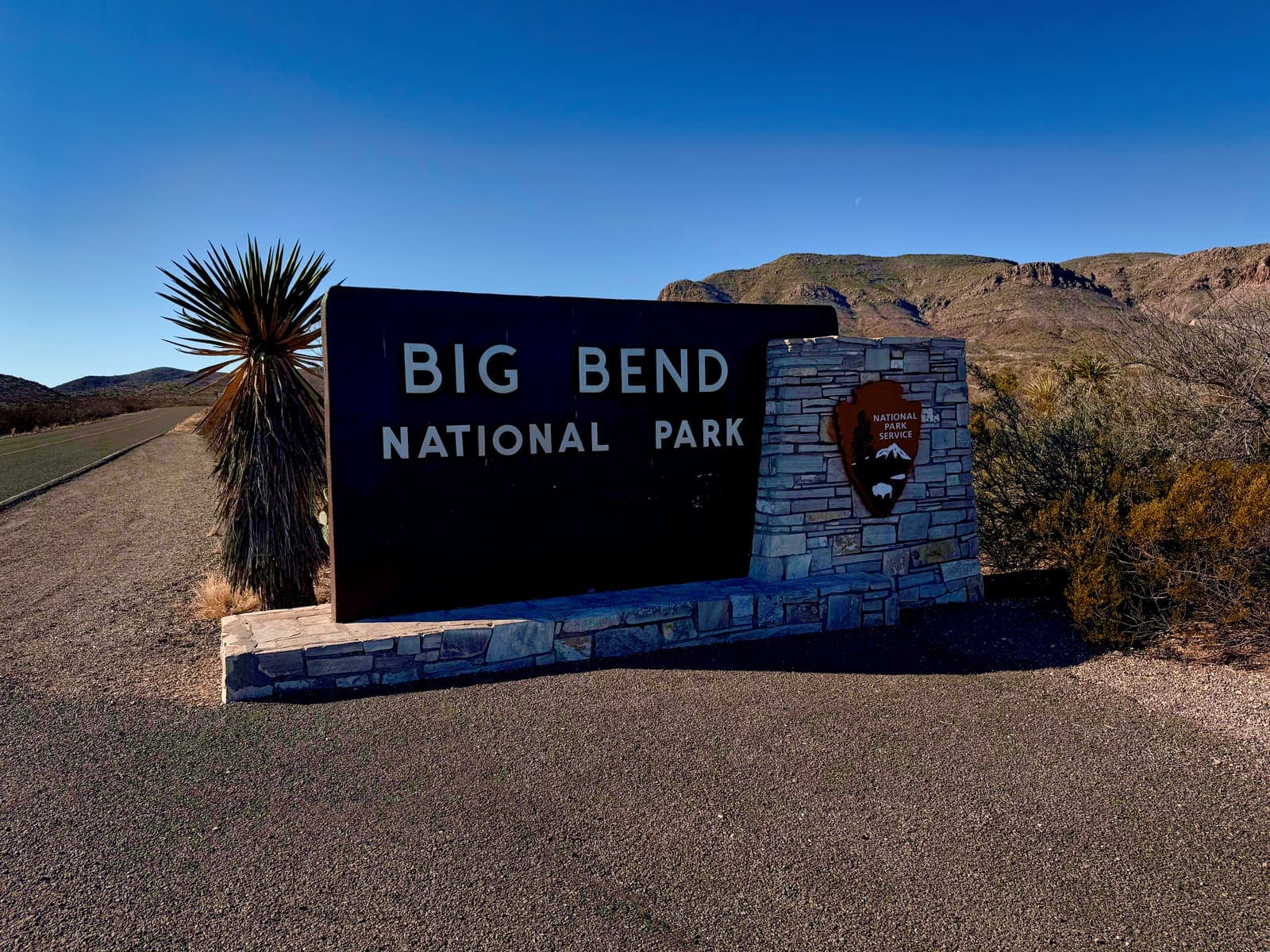
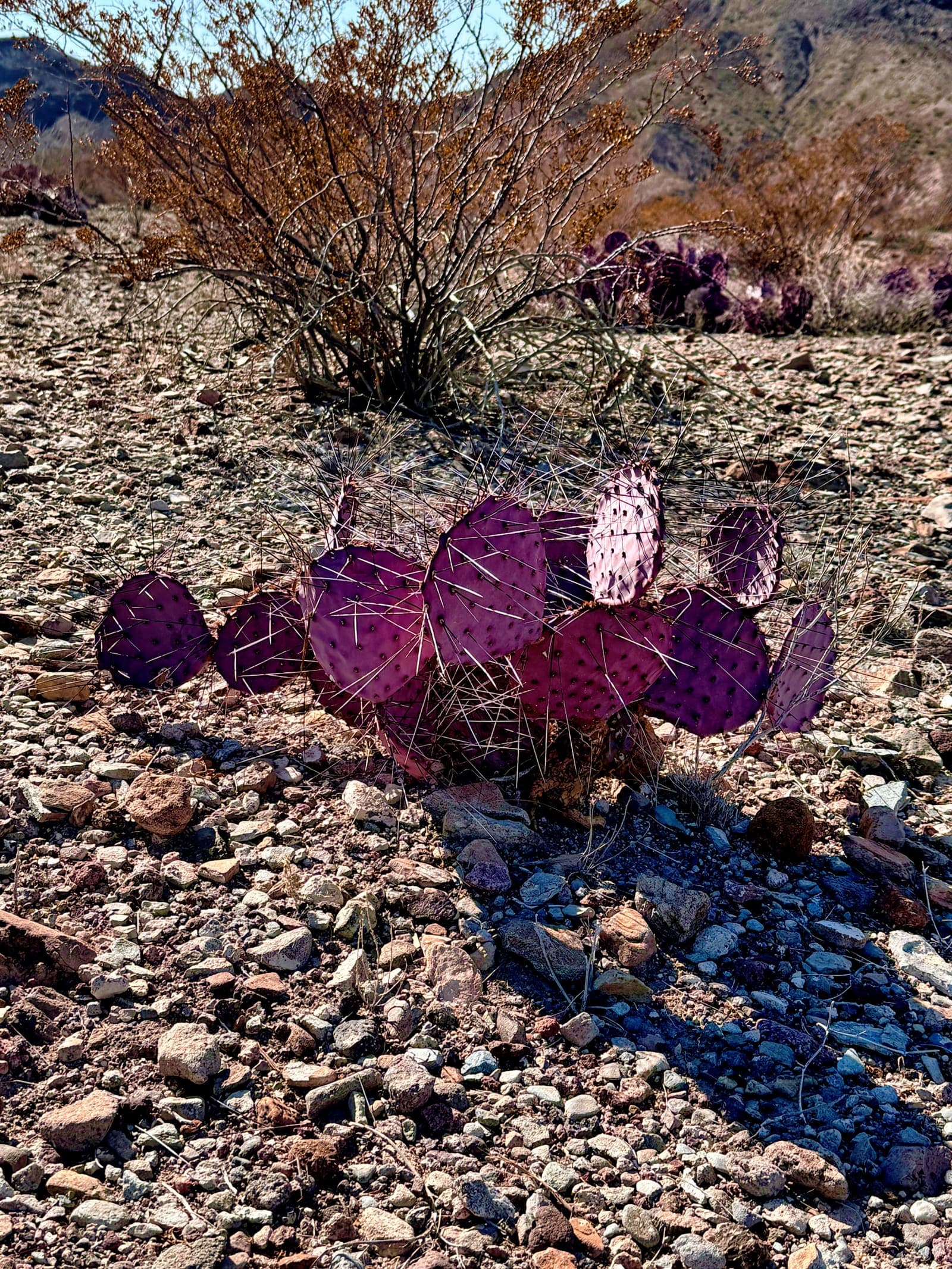
Big Bend sits at the literal edge of the map.
Massive desert. Canyons carved by the Rio Grande.
Mountains that rise out of nowhere.
Miles of silence.
Miles of sky.
Miles of distance between you and everything familiar.
It's beautiful.
It's disorienting.
It's the kind of place that strips away every distraction you've been hiding behind.
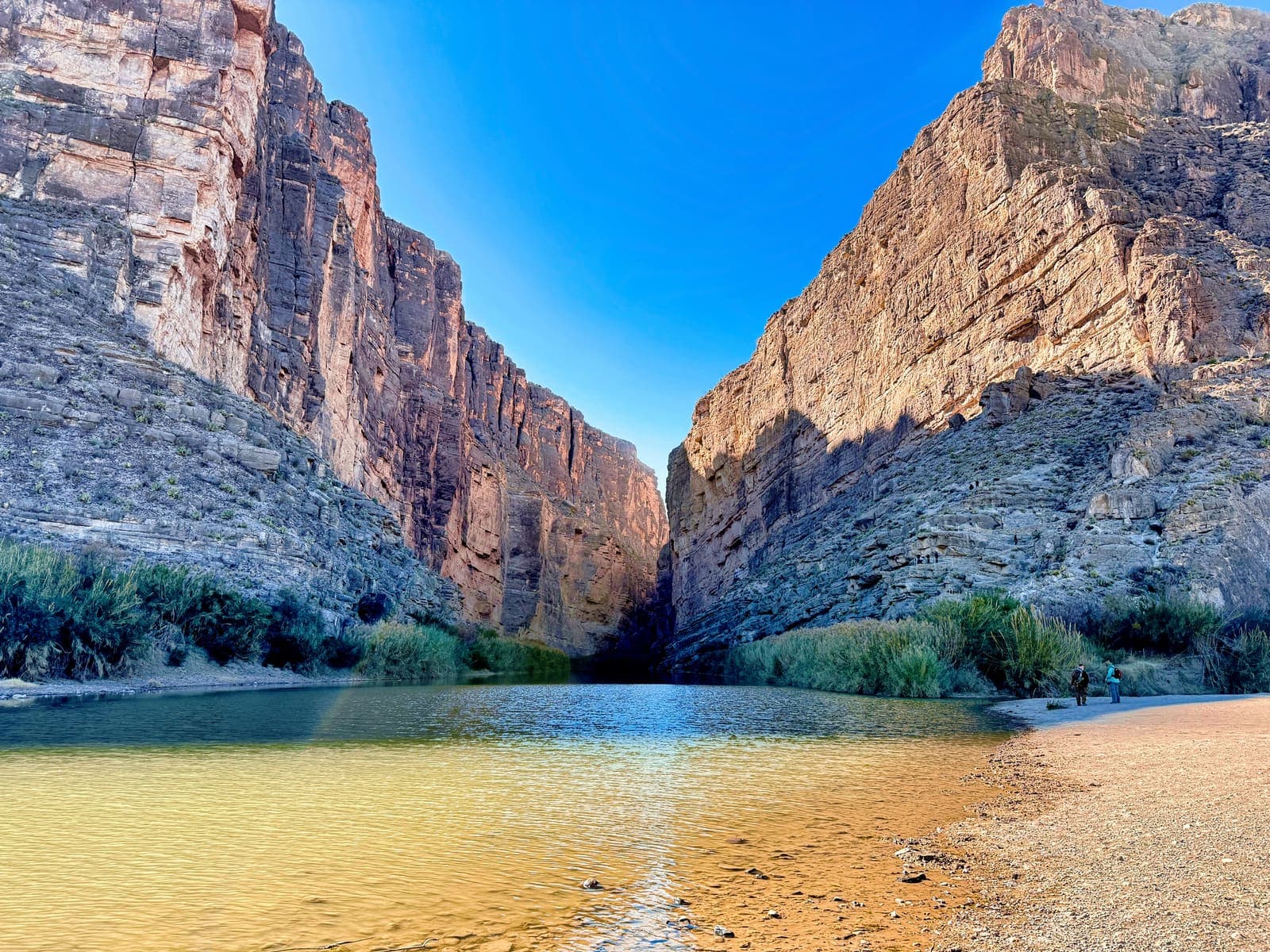
I remember standing on a ridge overlooking Santa Elena Canyon.
The river had carved a clean line between two towering walls.
Mexico on one side. The U.S. on the other.
A border that follows the river.
And I just stood there.
Not because it was beautiful. It was.
But because it was honest.
There's a specific kind of silence in Big Bend.
Not empty. Not eerie.
Just... real.
The kind of quiet that doesn't let you run from the thing you've been avoiding.
The heat pressed against my skin.
The wind came in slow, dry gusts that carried nothing but dust and distance.
And standing there, between two worlds, carrying the tension of both... I felt it.
The same thing I'd been feeling in my leadership for months.
Standing in a place where I could see more than the people around me.
Feeling more weight than I could share.
Not fully belonging to either side of the canyon.
Big Bend doesn't sugarcoat it.
It amplifies it.
It takes the loneliness you've been managing in conference rooms and board meetings and spreads it across a desert so wide you can't pretend it isn't there.
Out here, it gets hard to pretend that carrying it all is the same thing as being strong.
You've done this. I know you have.
Smiled in the team meeting and spiraled in the car on the way home.
Made the hard call and had no one to process it with afterward.
Held space for your team's emotions while your own went completely unmanaged.
You've been the person everyone leans on.
And you've had no one to lean on yourself.
You've sat in a room full of people and felt more alone than you do in an empty house.
You've carried a decision for weeks because you had no one safe to talk it through with.
And every time someone asks how you're doing, you say "Good. Busy. But good."
Because the real answer is too heavy for a hallway conversation.
Big Bend stretches 800,000 acres in every direction.
Nowhere to hide.
And the silence won't let you pretend the weight isn't there.
1. Isolation Isn't the Price of Leadership
We treat leadership loneliness like a badge of honor.
Like it proves we're serious.
Like the weight means we're doing it right.
It doesn't.
Leaders don't fall apart from pressure.
You can handle pressure. You've done it for years.
Leaders fall apart from isolation.
When pressure meets isolation... that's when you start doubting your instincts.
Overthinking every decision.
Carrying too much.
Saying too little.
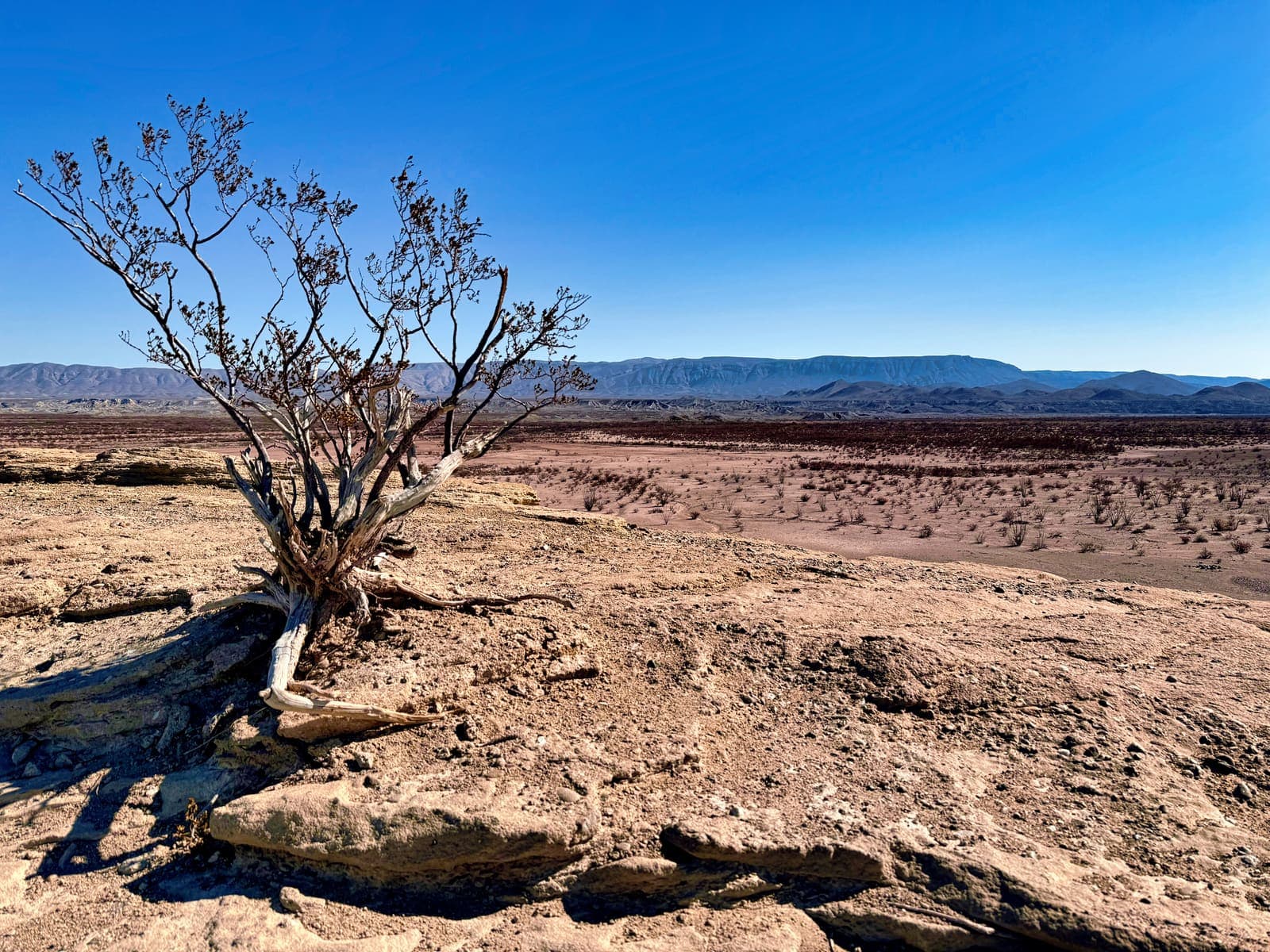
Big Bend's desert doesn't pretend to be hospitable.
Even the Rio Grande has trouble out here on its own.
Upstream of Big Bend, so much of its water gets taken out that the riverbed between El Paso and Presidio is often dry.
But leaders? Leaders try to be the exception.
The one river that keeps running on nothing but itself.
It doesn't work. It never has.
Maybe you've had a season like this.
You carried everything alone. Every decision. Every tension. Every hard conversation nobody else wanted to have.
You told yourself it was the job. You told yourself strong leaders handle it.
What actually happened was your thinking got smaller.
Your reactions got sharper.
Your confidence got quieter.
Not because the work got harder. Because you'd made yourself the only one holding it.
The cost of leading alone isn't burnout. It's becoming someone you don't recognize.
2. Carrying It All Feels Like Strength. That's the Trap.
Here's what's hard to see from the inside.
Carrying everything feels like care.
It feels like protecting your team.
It feels like the job.
That's exactly why it's a trap.
Every weight you take off someone's plate is a weight they never learn to carry.
Every decision you keep to yourself is one your team never learns to make.
And the more you hold, the more you're the only one who can.
As Eric Schmidt said: the one thing people are never good at is seeing themselves as others see them.
The people on your team see you every day.
Most of them can already see the weight you're carrying.
You just haven't let them do anything with it.
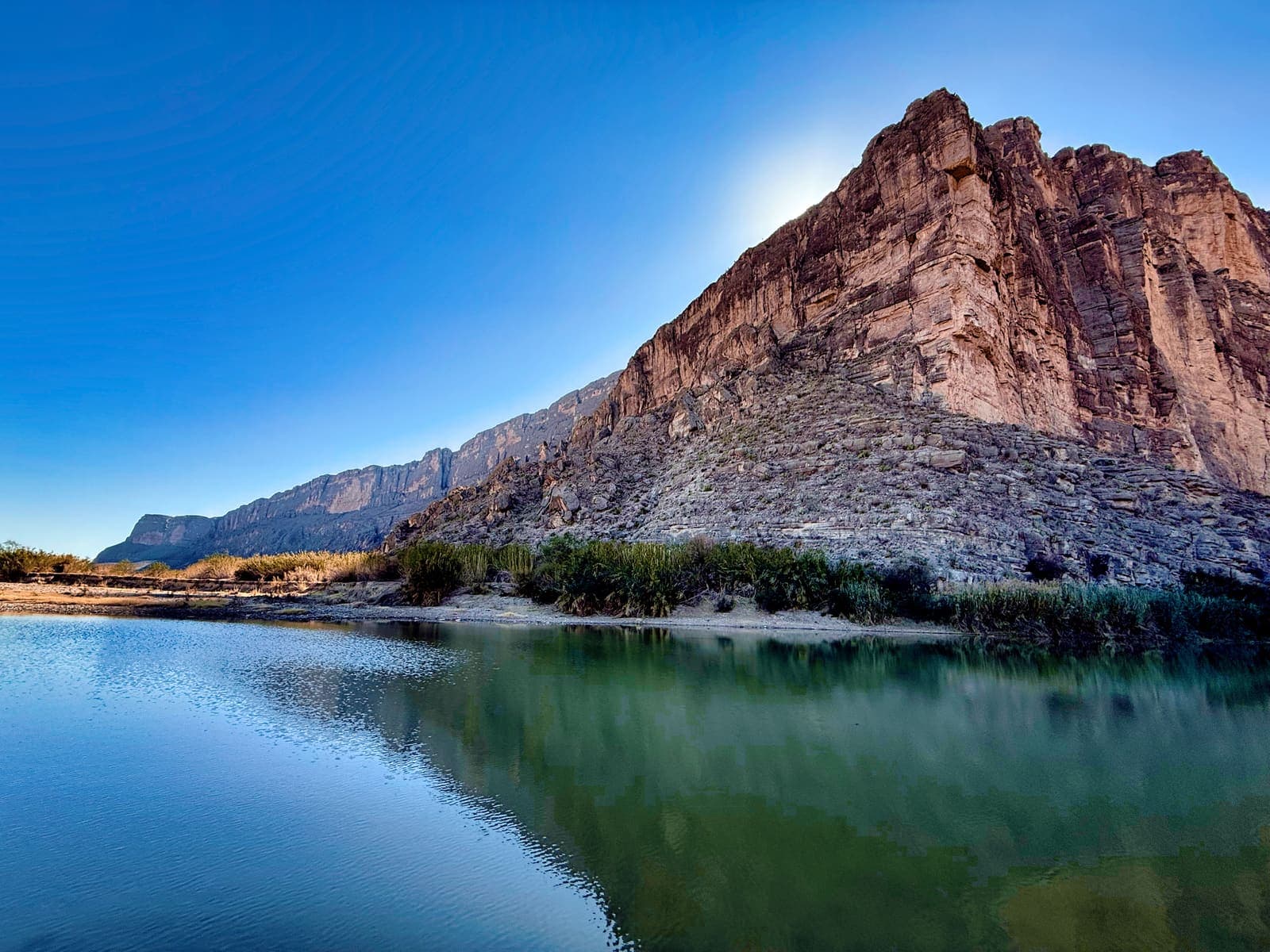
Santa Elena Canyon wasn't carved by a single rainstorm.
The Rio Grande carved it over millions of years. Slowly. Steadily.
Water shapes rock.
Not by being stronger than rock. By being persistent. By flowing. By not stopping.
A team gets built the same way.
Not by one heroic push from you. By what keeps flowing in from everyone else, week after week.
A canyon gets carved by what keeps flowing. A team gets built by everyone who keeps carrying.
3. Steadiness Grows When the Weight Is Shared
You don't need your team to solve your problems for you.
You need to stop being the only one inside them.
That's the part most leaders won't admit.
Not out loud.
Not to anyone.
Not that the work is hard. You knew that going in.
But that carrying it alone... changes you.
It makes the pressure heavier than it needs to be.
Makes decisions feel riskier than they are.
Makes you second-guess things you used to know cold.
I stood at the edge of Santa Elena Canyon and looked down at the river.
From up on the ridge, it looked still. Calm. Almost lazy.
But down at water level? Relentless.
Carrying sediment. Shaping walls. Feeding ecosystems on both sides.
Here's the part you can't see from the ridge.
By the time the Rio Grande reaches Big Bend, most of its water isn't its own.
Below Presidio, 69 to 86 percent of it comes from the Río Conchos, a river that starts in Mexico's Sierra Madre.
The Rio Grande gets the credit for the canyon. A lot of the water doing the work came from the other side of the border.
The river is steady because it's fed by more than itself.
Your leadership works the same way.
Steadiness isn't something you produce alone.
It comes from the people around you carrying real weight. Real decisions. Real ownership.
Steadiness isn't something you white-knuckle.
It's something you build.
And you build it by letting your team carry some of the water.
Good. Busy. But Good.
Your decisions get slower because you have no one to think out loud with.
Your confidence gets quieter because everything bounces around inside your own head.
Your team feels the distance even when you don't say a word.
Your patience disappears and you blame the workload instead of the isolation.
Your presence shrinks from grounded leader to exhausted manager.
And the gap between who you are and who you're performing as... grows wider every month you don't address it.
But when you stop pretending and let your team carry some of it?
The weight doesn't disappear. It distributes.
You think clearer. Move faster.
Lead from grounded presence instead of emotional noise.
The steadiness comes back.
Not because things got easier. Because you stopped carrying them alone.
The Edge of the Map
You got into leadership because you wanted to make a difference.
Not maintain the status quo.
Somewhere along the way, the isolation crept in.
Not dramatically. Not all at once.
Just slowly enough that you didn't notice until you were standing in a desert of your own making.
Wondering when leadership started feeling this heavy.
It doesn't have to.
The edge of the map is where honesty wins and pretending dies.
Big Bend didn't make me stronger. It made me honest.
And honest was better.
Hand Off One Weight
Think about one thing you've been carrying alone in your leadership.
One decision. One tension. One weight you haven't spoken out loud.
Now ask yourself:
Who on my team is already close enough to this to carry part of it?
Not to dump it on them.
To let them in on it.
Write it down. Then bring it to that person this week, and hand them a real piece of it.
Because the shift doesn't start with a program or a book.
It starts with one weight you stop carrying alone.
You may lead on the edge of the map sometimes.
But you don't have to lose yourself there.
You don't need a new personality.You need to see the pattern.
If this note named the weight behind your 'Good. Busy. But good.', Clarity First is where you stop pretending and see what carrying it alone has been doing to you.
See Clarity First

Founder, Lead Differently
The Lead Differently movement. For leaders who got the position without the playbook. Built around how you're actually wired.