Grow Tall by Rooting Deep Together:Sequoia's Giants
A team that looks strong on the surface can still be rootless underneath. And rootless teams don't survive a real storm.
You can push harder.
It won't help.
Here's the lie most leaders keep running on:
"If I just push my people harder, the growth will come."
"If I just raise the bar, the team will rise to meet it."
"If I just keep the pressure on, they'll figure it out."
You tell yourself it's their output that needs attention.
Their effort.
Their urgency.
Their drive.
So you push.
And the results get bigger and more brittle at the same time.
The Cathedral That Grows From Below
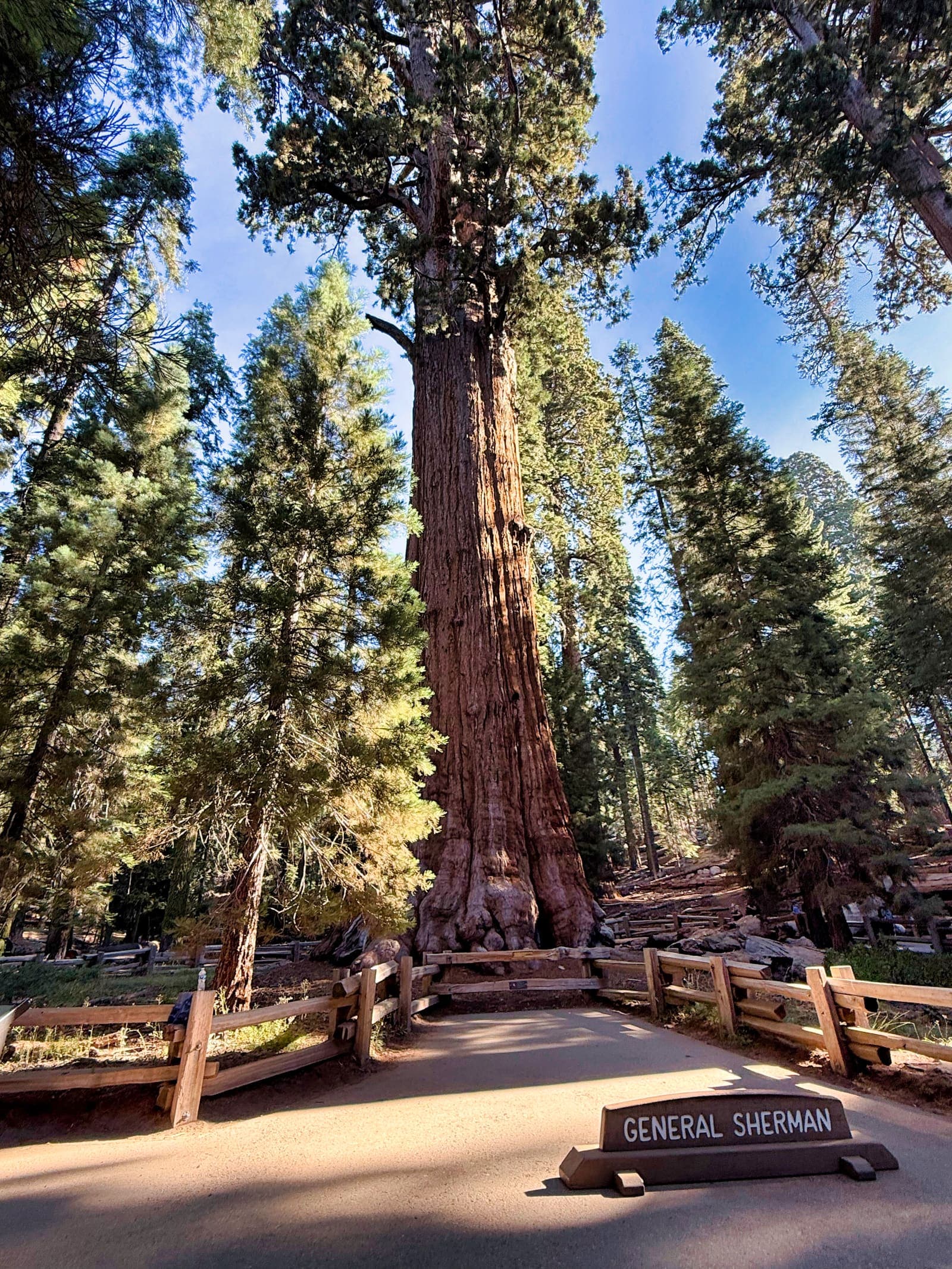
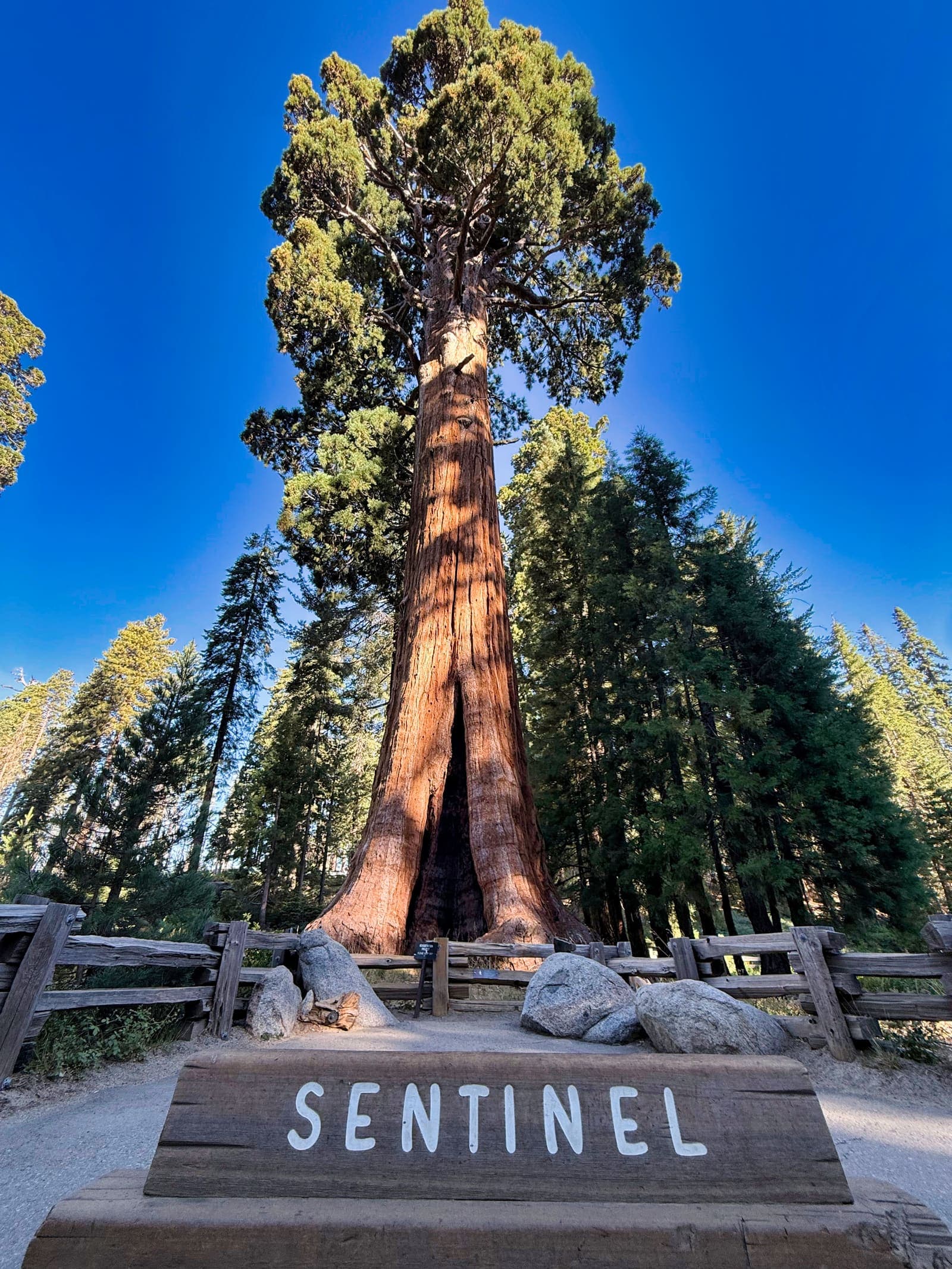
I walked into a sequoia grove on a cool morning and stopped inside the first cluster of trees.
Quiet.
Massive.
The kind of quiet that has weight to it.
The trunks were wider than my Airstream.
The branches up high were thicker than most full-grown oaks.
The crowns rose so far overhead that my eyes couldn't fully track them.
I tilted my head back and still didn't feel like I was seeing it all.
I reached out and put my hand on the bark of one of them.
Fibrous. Warm. Layered.
Older than most of the countries in the world.
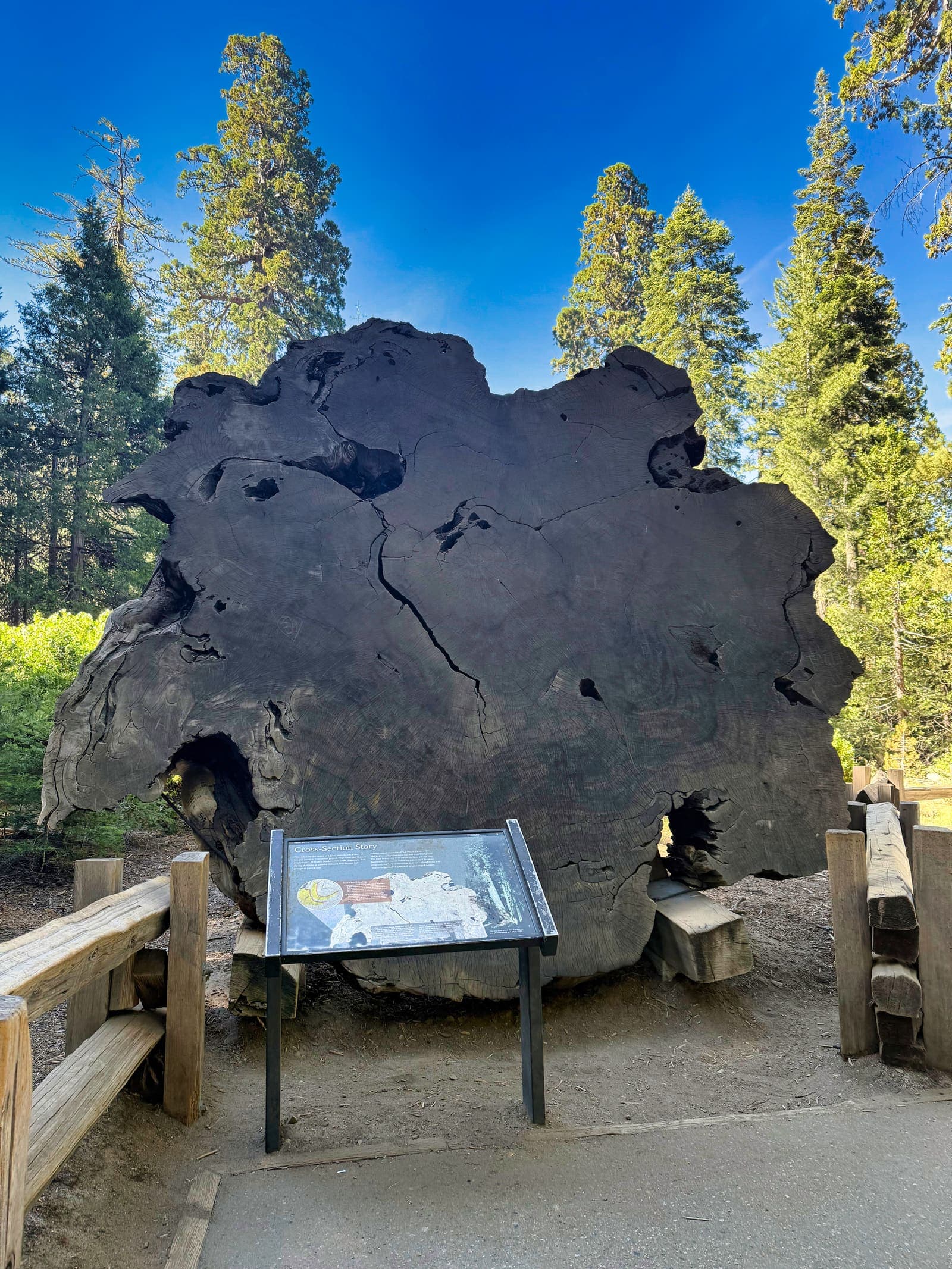
And I had this thought I didn't want to have...
What if the strength I'm trying to build in my team lives somewhere I'm not even looking?
Here's the part that surprised me when I learned it.
Sequoia roots are shallow.
Not deep like oak. Not deep like pine.
Six to twelve feet underground. That's it.
For trees that tower hundreds of feet into the sky.
The thing that keeps them standing isn't depth.
It's connection.
Their roots spread wide, not down.
And they interlock with the roots of every sequoia nearby.
The trees aren't standing on their own.
They're standing on each other.
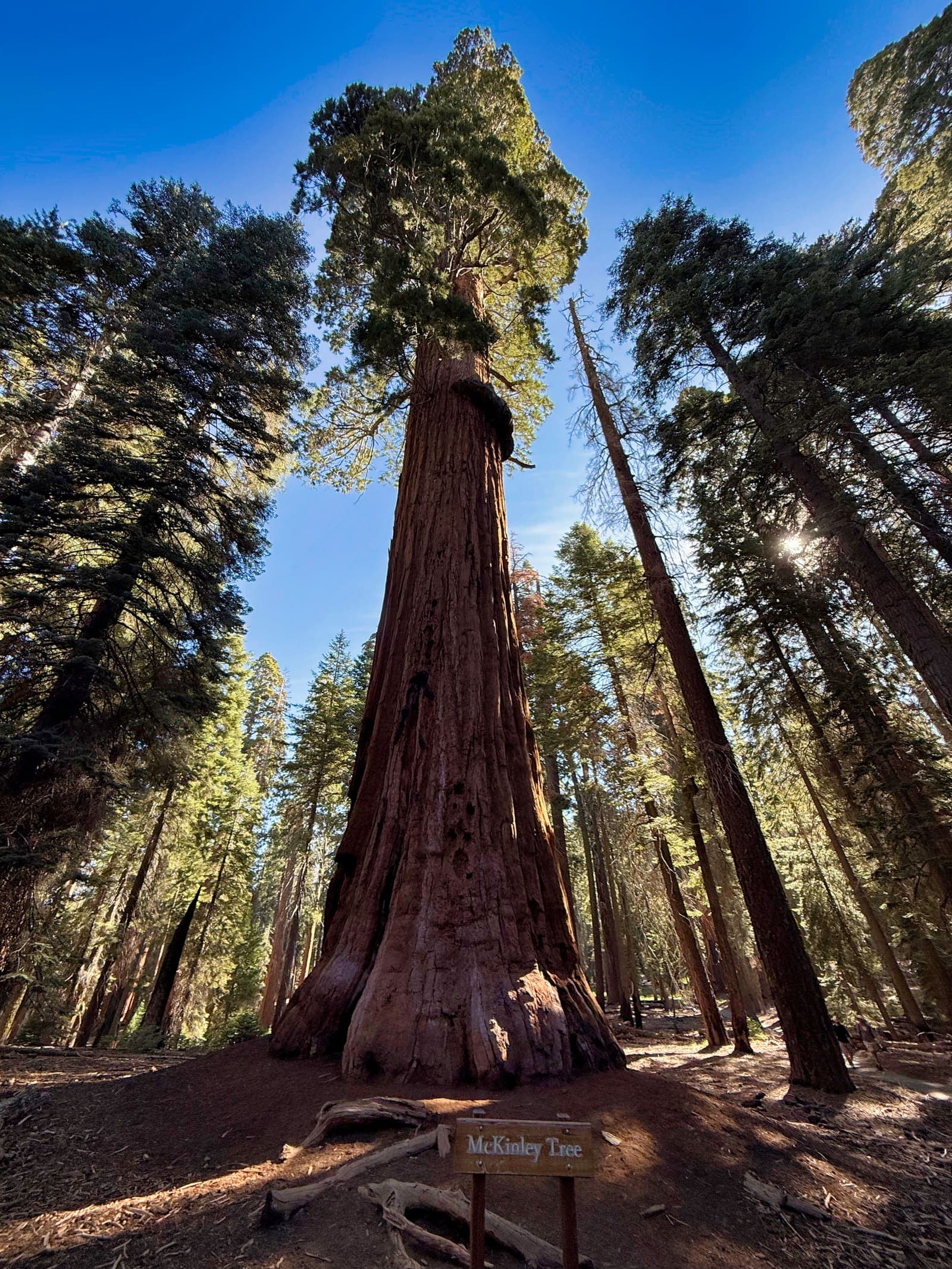
Sequoias don't grow tall because of individual strength. They grow tall because their root systems are intertwined with every tree around them.
Sound familiar?
You've done the opposite of this.
Built the quarterly scorecard that rewards individual numbers and quietly makes teammates into competitors.
Promoted the person who outshone everyone else in the room and wondered why the room got quieter after.
Told yourself your team is just full of strong individual contributors... while watching the handoffs between them break every single week.
Coached the same person back to baseline three times in a row, alone in a 1:1, instead of building the connective work that would have caught the drift months earlier.
Walked out of a Monday all-hands feeling like you'd said the right words... and realized by Wednesday nobody was operating from the same script.
That isn't a performance problem.
That's a root system problem.
1. You Don't Grow a Team by Pushing Harder. You Grow Them by Rooting Deeper.
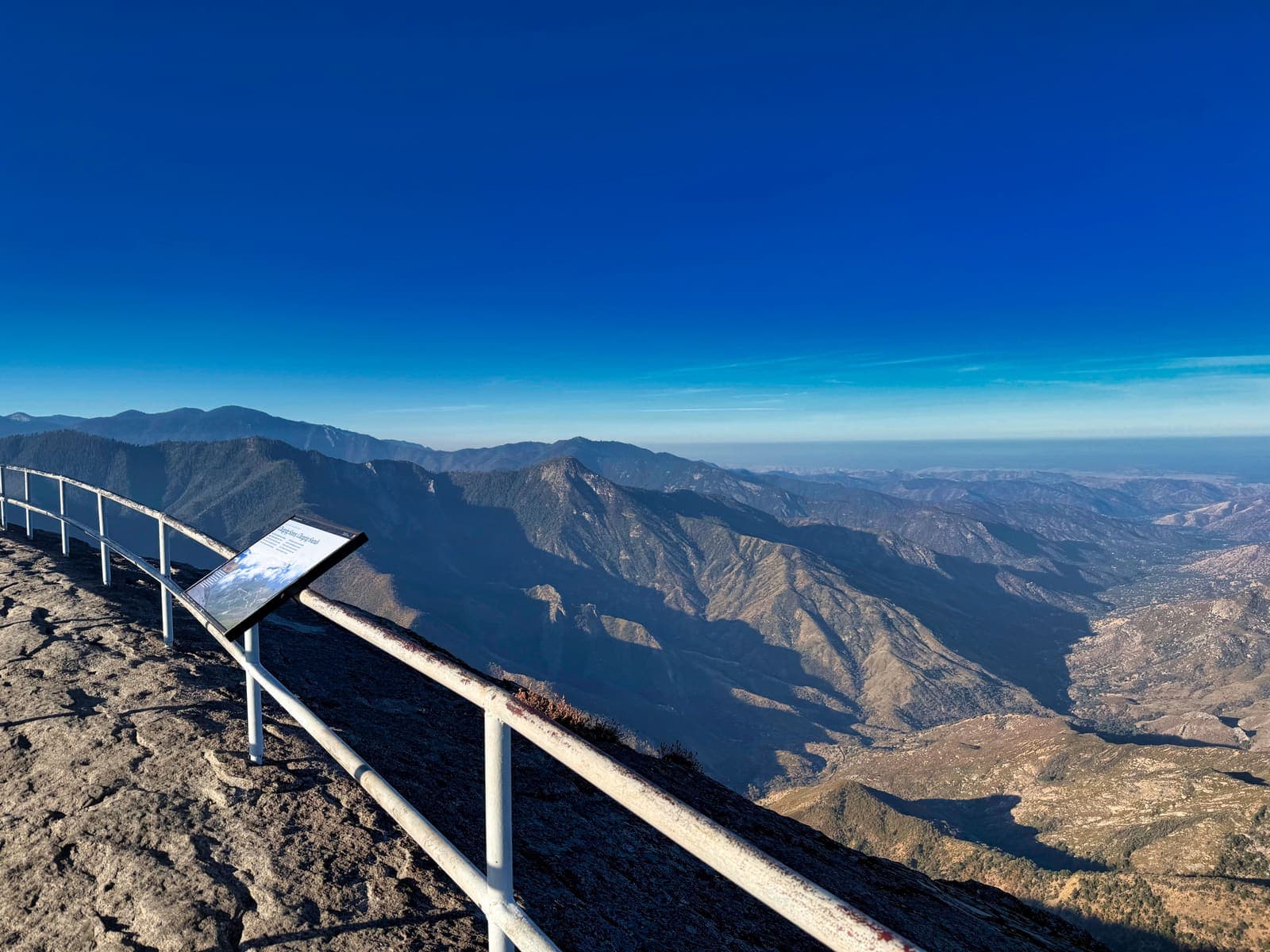
A sequoia doesn't grow taller because somebody pushed it.
It grows taller because what's happening underneath is working.
That's the part most leaders miss.
You can't make a team grow by demanding more from the branches.
You grow them by doing the underground work most leaders skip.
The clarity work.
The connection work.
The trust work.
The playbook work.
The stuff nobody claps for because nobody sees it.
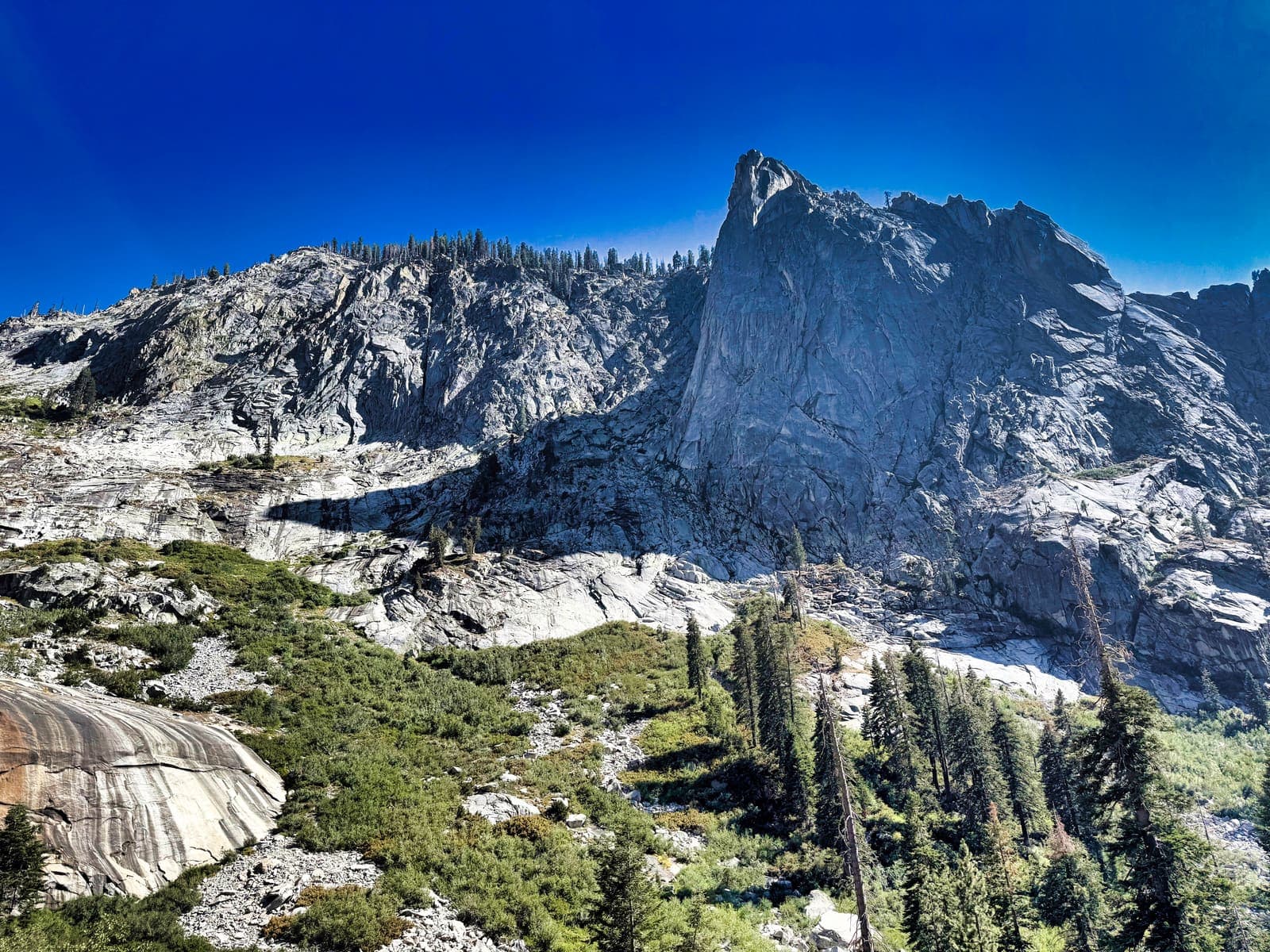
I've caught myself pushing instead of rooting more times than I'm proud of.
Pushing is faster in the moment.
Pushing feels like leadership.
Pushing also produces teams that collapse the second the wind changes.
Your team member who keeps missing the mark on cross-functional projects?
Not lazy. Not incapable.
Operating without the root system that would let them succeed. Handoffs unclear. Priorities shifting. Expectations assumed but never stated.
The person who used to energize the room and now just delivers?
They aren't burned out on the work.
They're burned out on carrying it alone because nobody built the connective tissue around them.
When did you last spend a week working on the system underneath your team instead of the output on top of it?
If you can't remember, that's the tell.
You've been pushing branches up in a sequoia grove that needed its roots tended.
2. The Strongest Teams Share a Root System You Can't See
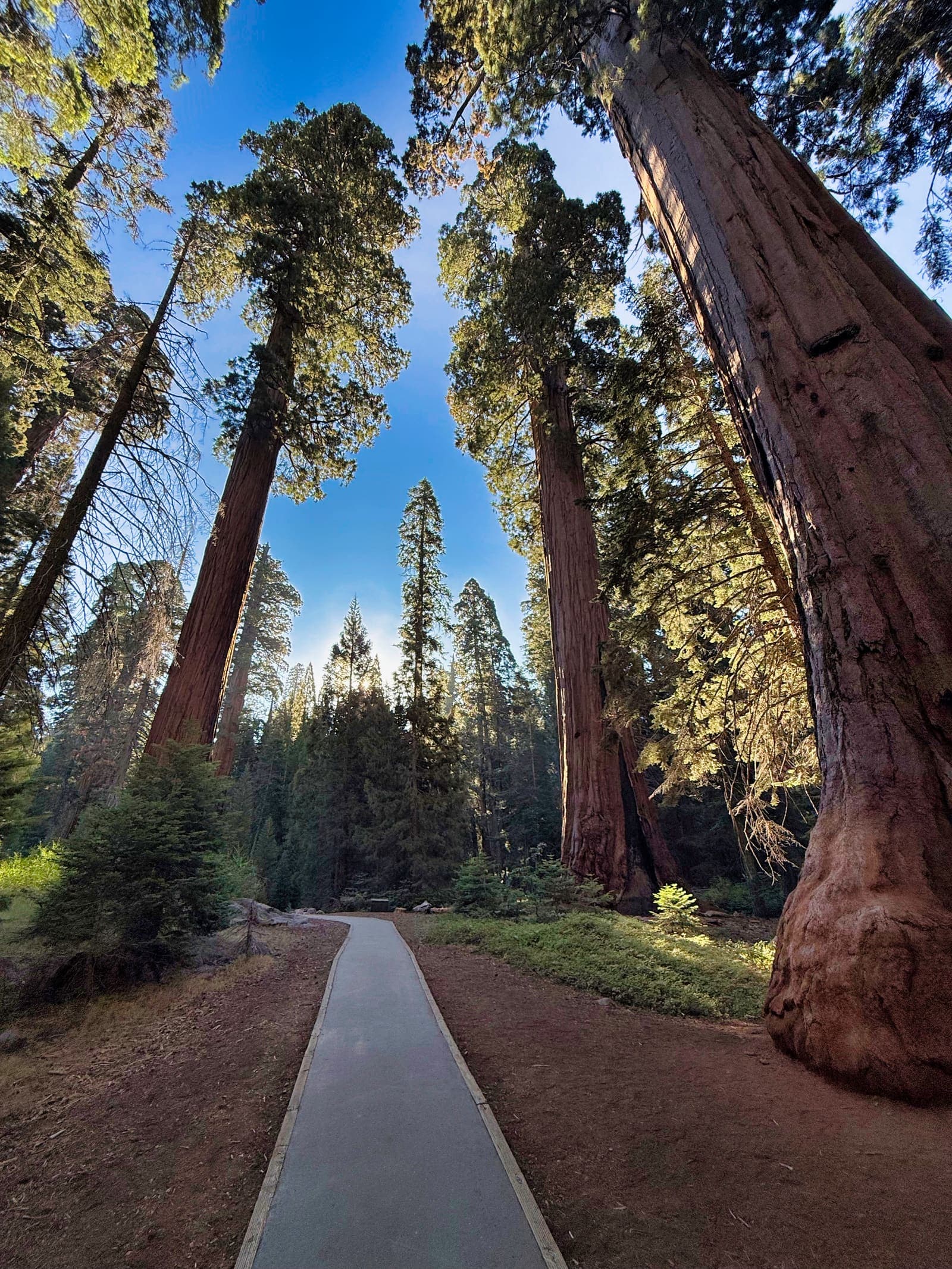
Walk into a sequoia grove and what you see is a cluster of giant trees.
Walk through the soil underneath and you'd see something very different.
A single web.
Roots interlocked so tightly that pulling up one tree would disturb everything around it.
The forest above is just the visible proof of the connection below.
That's what a healthy team actually looks like.
Not a roster of individual stars.
A shared root system.
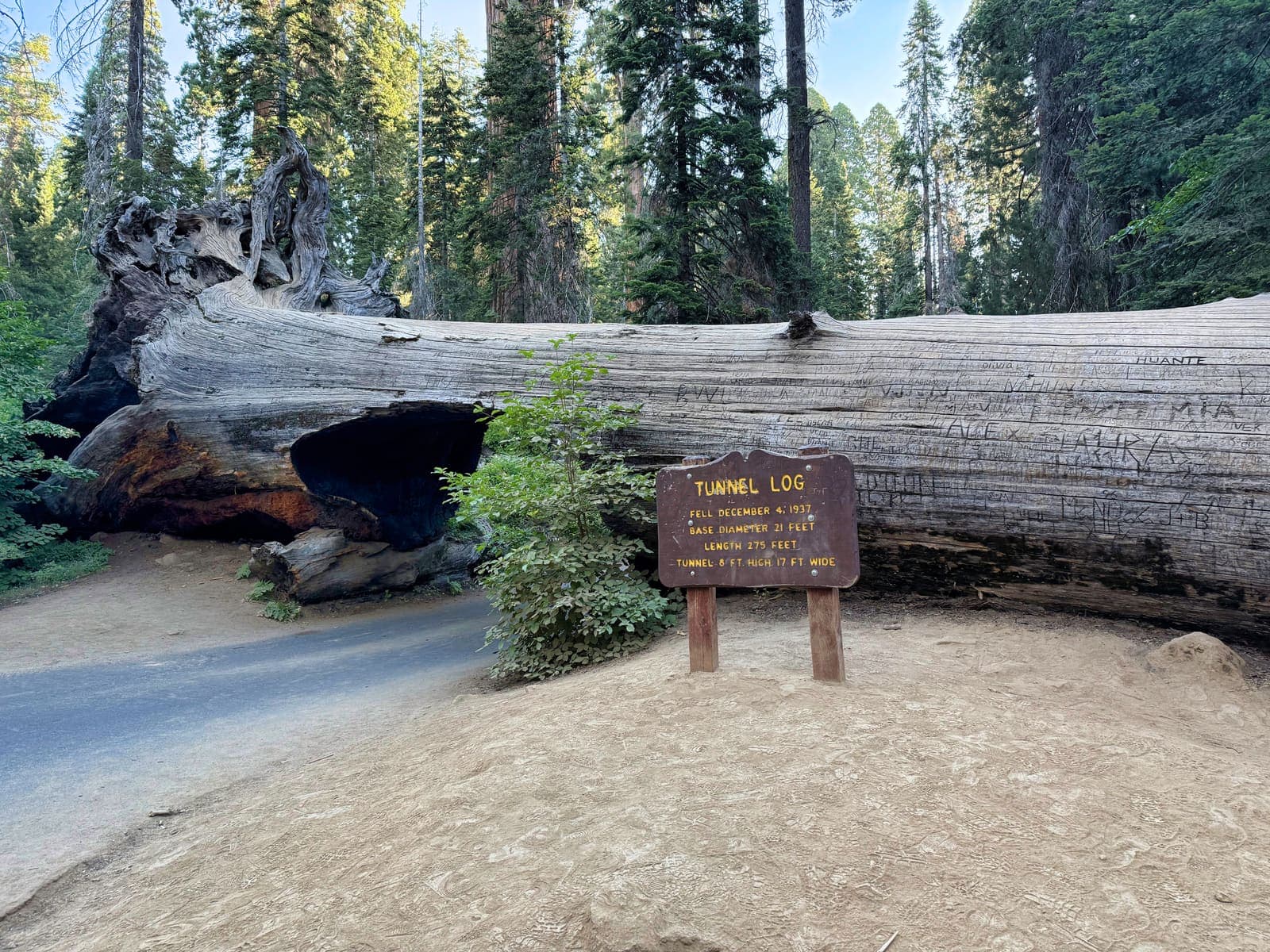
Shared expectations. Shared language. Shared priorities. Shared trust. Shared accountability for outcomes that belong to all of them, not just the one whose name is attached to it.
Most leaders don't build this.
They build a team and assume the roots will grow on their own.
They won't.
I've been the leader who thought a great hire would just slot in.
That smart people with good intentions would naturally connect.
That clarity would emerge through the work itself.
It doesn't.
Clarity gets designed. Trust gets architected. Root systems get built.
Your strongest performer who keeps asking for more one-on-one time with you?
She's not looking for more praise.
She's looking for the roots nobody else on your team has offered her.
The person who joined full of ideas and went quiet around month three?
His roots never connected to anyone.
You hired the tree and forgot to plant him in the grove.
If your team looks strong but feels fragile, the problem isn't the trees.
It's what you never built underneath them.
3. Your Team's Ceiling Is Your Depth as a Leader
Here's the part I didn't want to accept.
A sequoia grove doesn't rise higher than its root system supports.
The height above the ground is a direct reflection of the connection below it.
The same is true for your team.
Your people's ceiling is your capacity to go deep.
Not deep as in hard work.
Deep as in the quiet, unglamorous foundation work most leaders delegate or skip.
The depth of the expectations you set.
The depth of the trust you've built person-to-person with each member of your team.
The depth of the playbook they're operating from when you're not in the room.
The depth of the clarity you've built into how decisions get made and who owns what.
If those are shallow, your team stays shallow.
Not because they can't grow.
Because nothing below them is holding up the growth they're trying to produce.
I've learned this one the painful way.
Every time I've hit a ceiling with a team, I've eventually traced it back to something I didn't build deep enough.
A role I clarified in my head but never wrote down.
A standard I raised verbally but never turned into a rhythm.
A trust I extended without doing the underground work to make it actually hold.
The branches can only reach as high as the roots can support.
That isn't a limitation of your people.
It's the honesty of the system.
And here's the thing about sequoia groves that gives me hope.
The depth is always within reach.
You don't need a new forest.
You need to tend the roots of the one you already have.
What It Costs You to Skip the Roots
Your best people start looking for groves that feel connected.
Your handoffs break in the same places every month because nothing is holding them together underground.
Your culture stays fragile because it was never rooted, just performed.
Your fast hires leave faster than you can replace them.
Your team pushes through strong seasons and snaps in hard ones.
And you end each year asking why the growth you pushed for didn't stick.
But when you build the root system?
Your team absorbs pressure instead of fracturing under it. Growth compounds instead of resetting every quarter. People stay longer and rise higher because the ground underneath them is finally built to hold.
Why This Matters
You got into leadership because you wanted to build something that lasted.
Not something impressive for a quarter. Something that outlived the moment you showed up.
You wanted the kind of team that would still be standing if a storm rolled through.
Somewhere along the way, the pressure to produce took over.
You stopped thinking in forests.
You started thinking in trees.
Not because you stopped caring about the whole.
Because nobody ever showed you how to actually build the underground work.
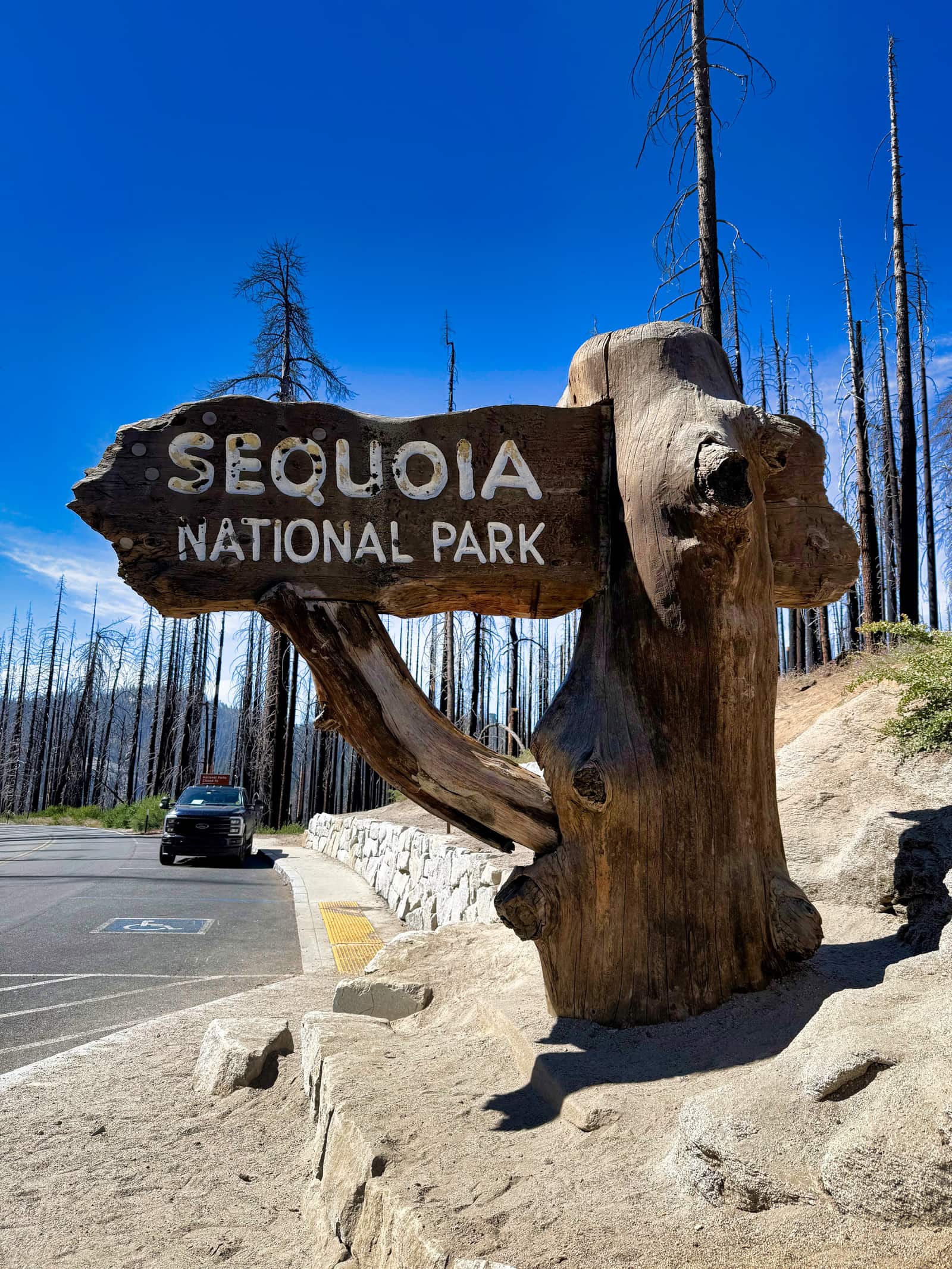
This is your Sequoia moment.
The moment you stop pushing trees up and start tending roots down.
The grove doesn't get built by force.
It gets built by what you're willing to do where nobody sees.
Your Sequoia Challenge This Week
Pick one person on your team.
Not your strongest. Not your struggling one.
Someone in the middle.
Now ask yourself one question:
What root system am I assuming is there... that I've never actually built with them?
Write it down.
Then schedule the conversation that builds it.
Not the performance review.
The connective one.
The tallest trees on earth don't stand because they're strong.
They stand because they're rooted to each other.
Your team was built for the same thing.
You got the position.Nobody gave you the playbook.
If this note read like your team, High Impact Teams is where you install the playbook they can run when you're not in the room.
See High Impact Teams

Founder, Lead Differently
The Lead Differently movement. For leaders who got the position without the playbook. Built around how you're actually wired.