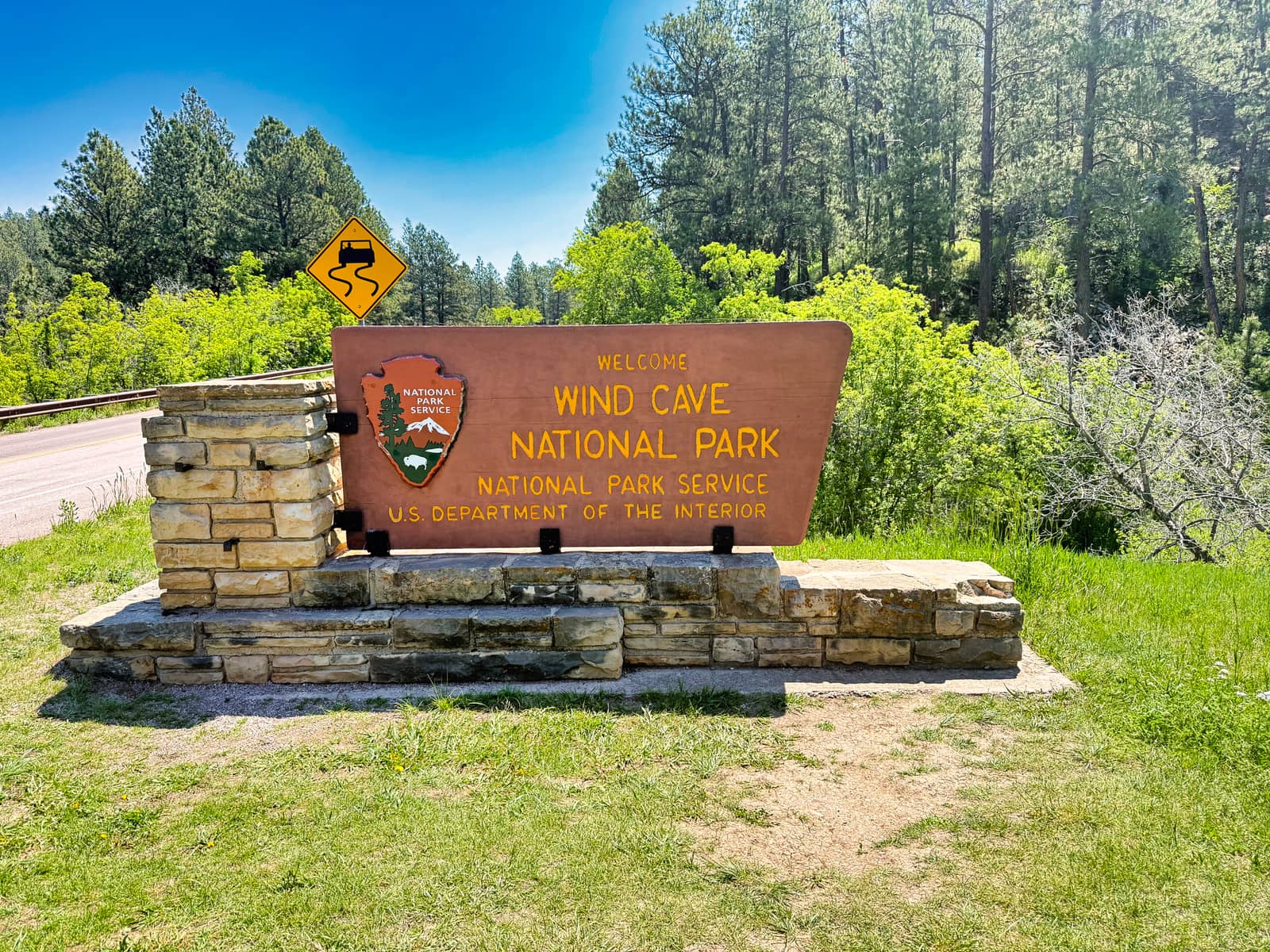
Find the Strengths You Don't See:Wind Cave
Your greatest asset is the one you haven't looked at yet.
Most leaders see their team the way most people see Wind Cave.
From above ground.
A small hole.
Some grass.
Nothing that hints at what's actually there.
So you manage what you can see.
You deploy your VP to every crisis.
You ask your extroverted staff member to lead the meeting.
You lean on the director who's always in your ear.
And you miss everything beneath the surface.
The quiet engineer with an eye for systems nobody else sees.
The calm person in the room who could stabilize a spinning narrative.
The team member with a way of asking questions that unlocks the best thinking.
You have no idea they have these things in them. Because you never went looking.
That's the leadership tax of invisible strengths.
And it costs you everything.
The Entrance That Breathes
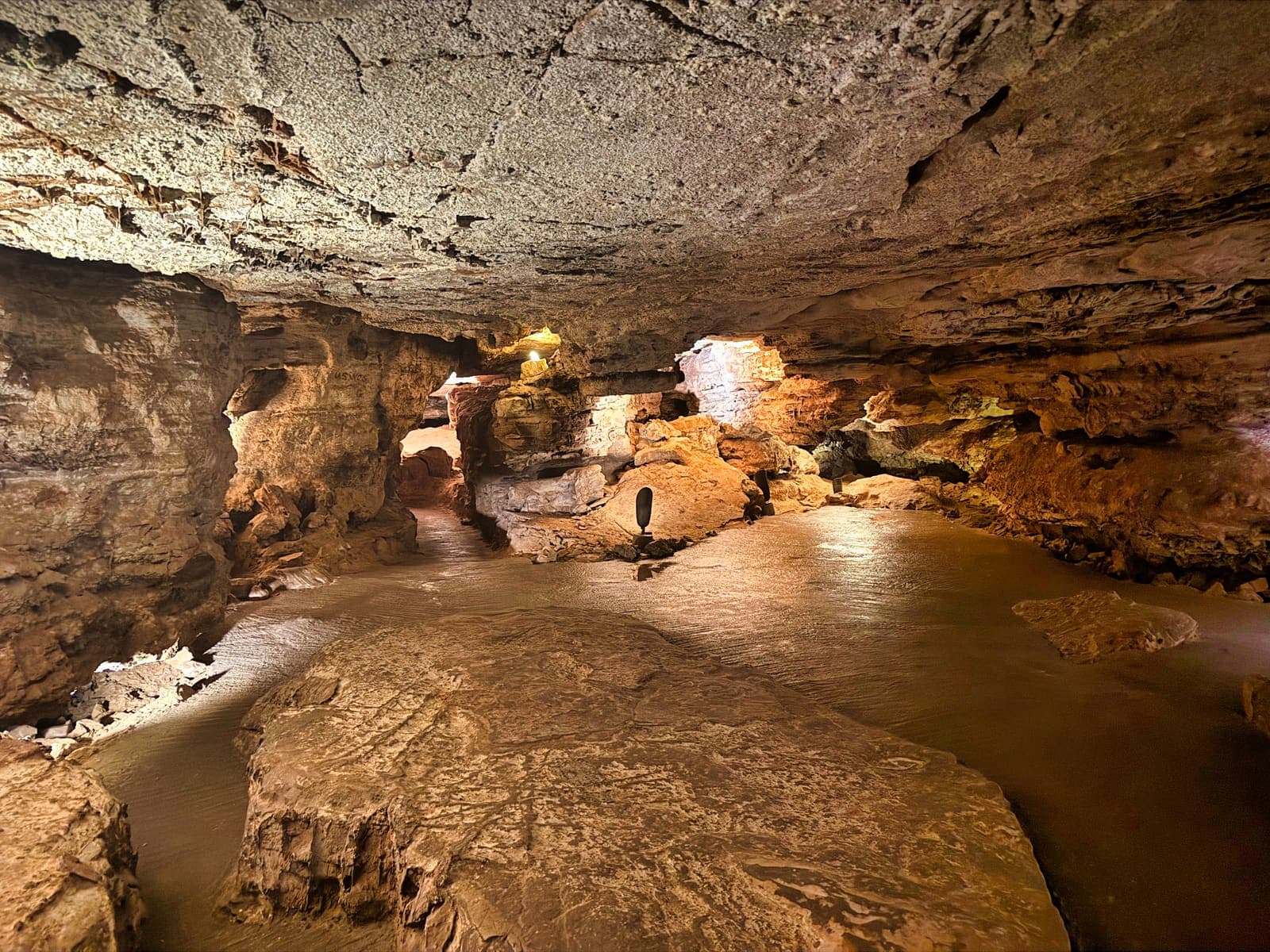
Wind Cave isn't what you expect when you first arrive.
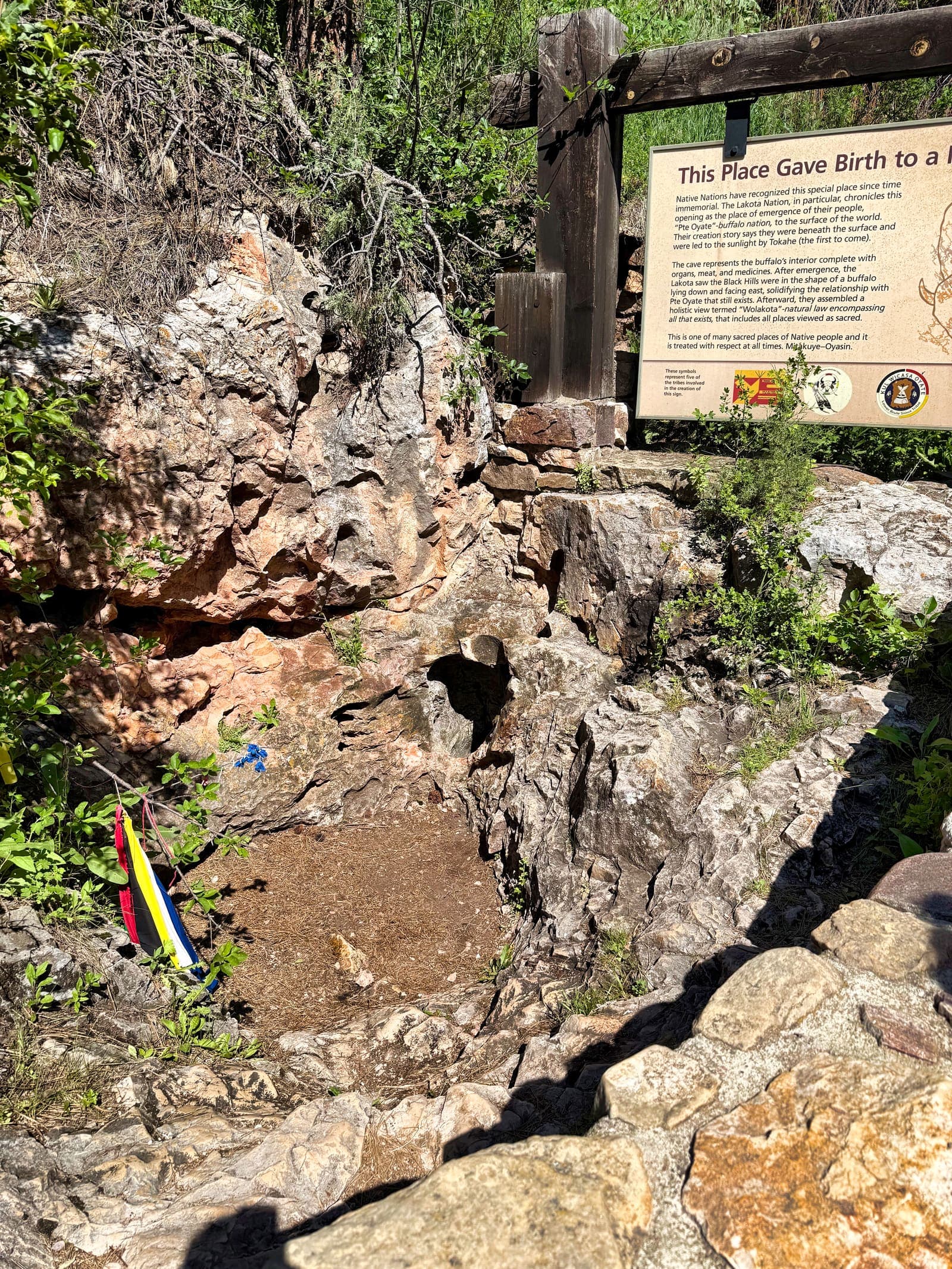
From above ground, it's unremarkable. Rolling prairie. Grassland that stretches to the horizon. Bison grazing in the distance. The wide open sky.
Clean. Simple. Visible.
The entrance itself is just a hole. Small enough that you could almost miss it if you weren't looking.
But if you stand close and feel the air... it breathes.
Cool air moving through that little hole. A wind you can feel on your skin.
It breathes with the weather. When the air pressure outside drops, the cave pushes air out. When it rises, the cave pulls air back in.
And I remember thinking... something is moving underneath.
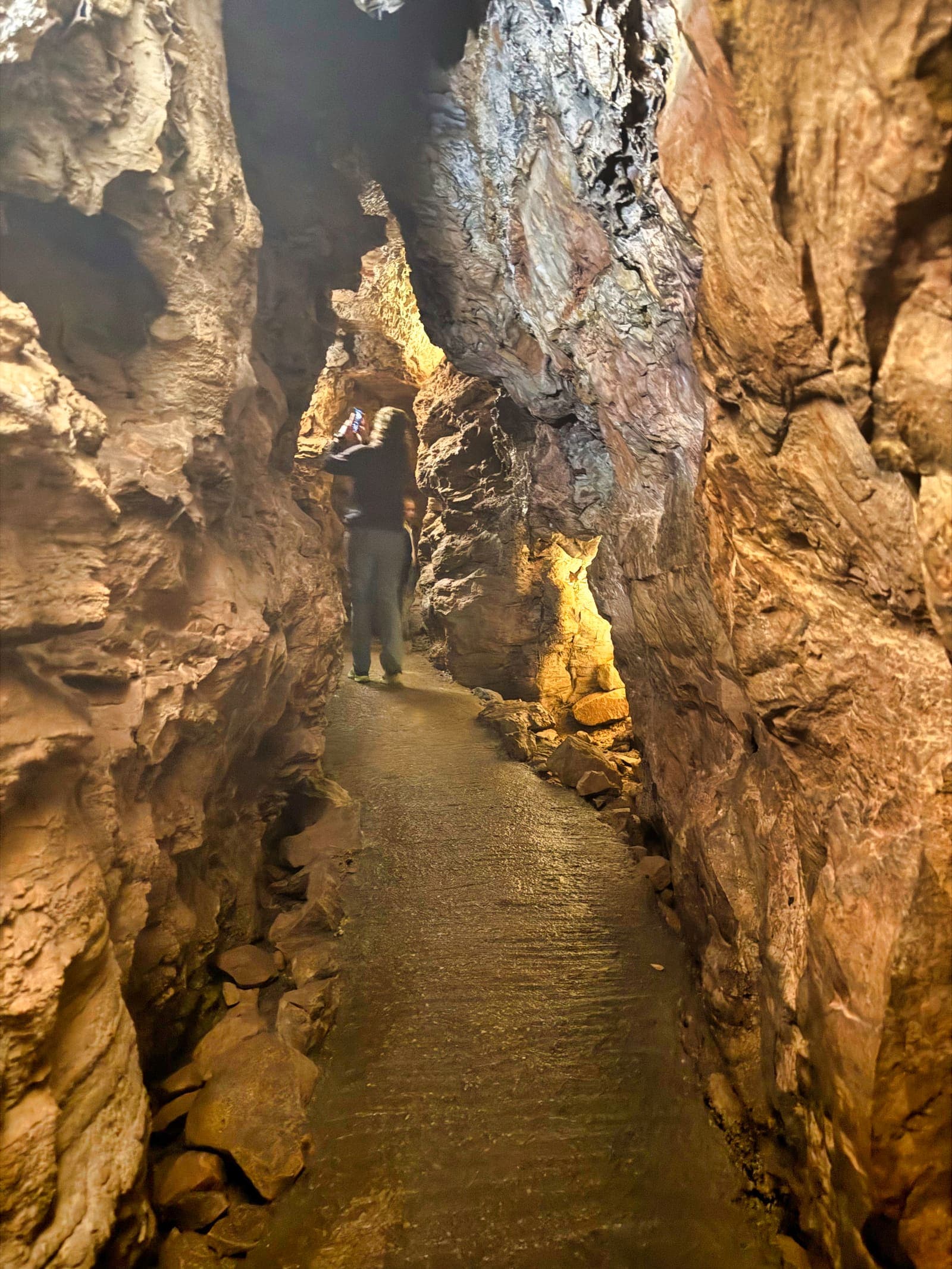
I descended into darkness that was nothing like the prairie above.
The air changed immediately. Cooler. Stiller. More intentional somehow.
My eyes took time to adjust to the shadows.
And then I saw the walls.
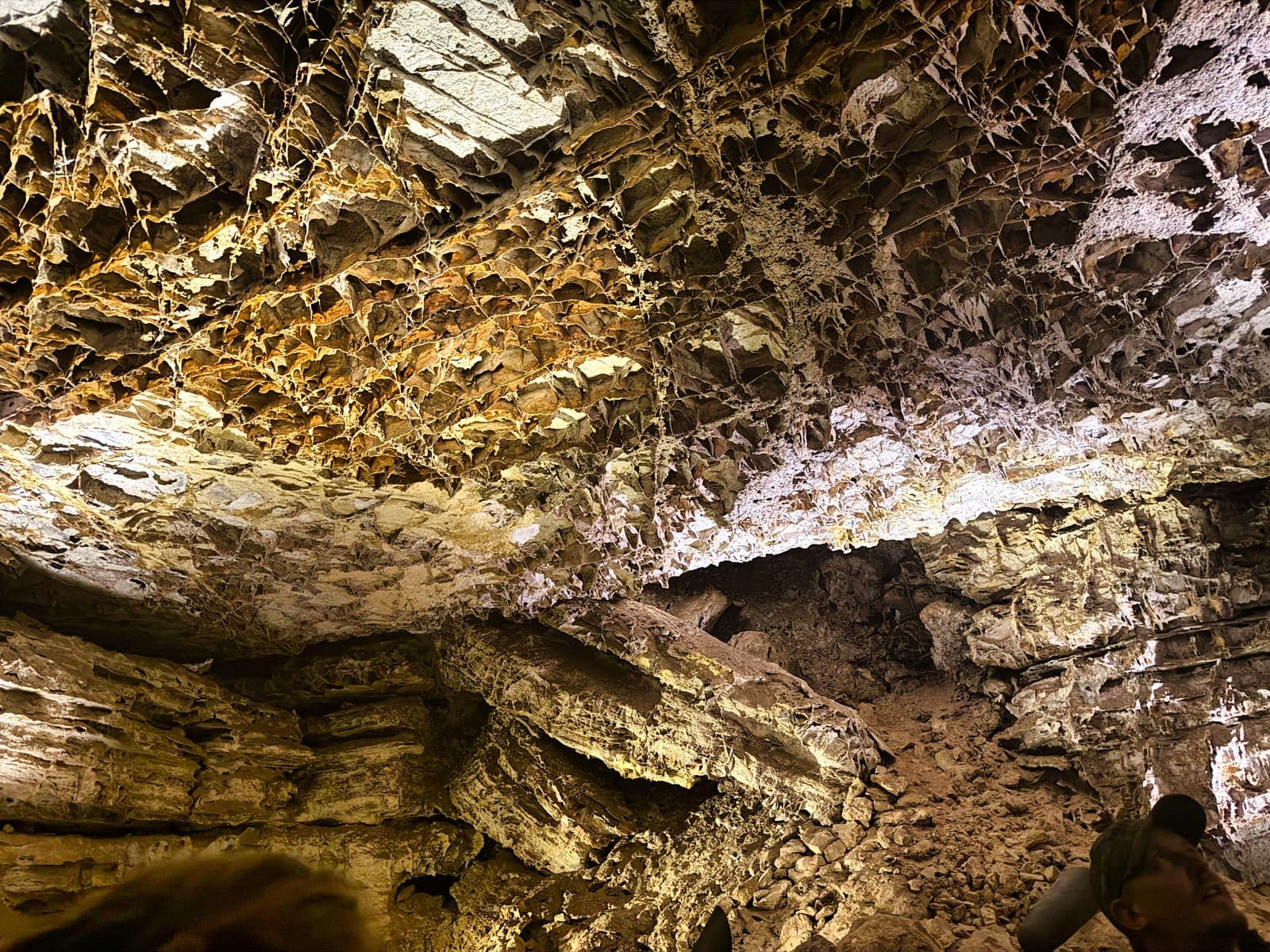
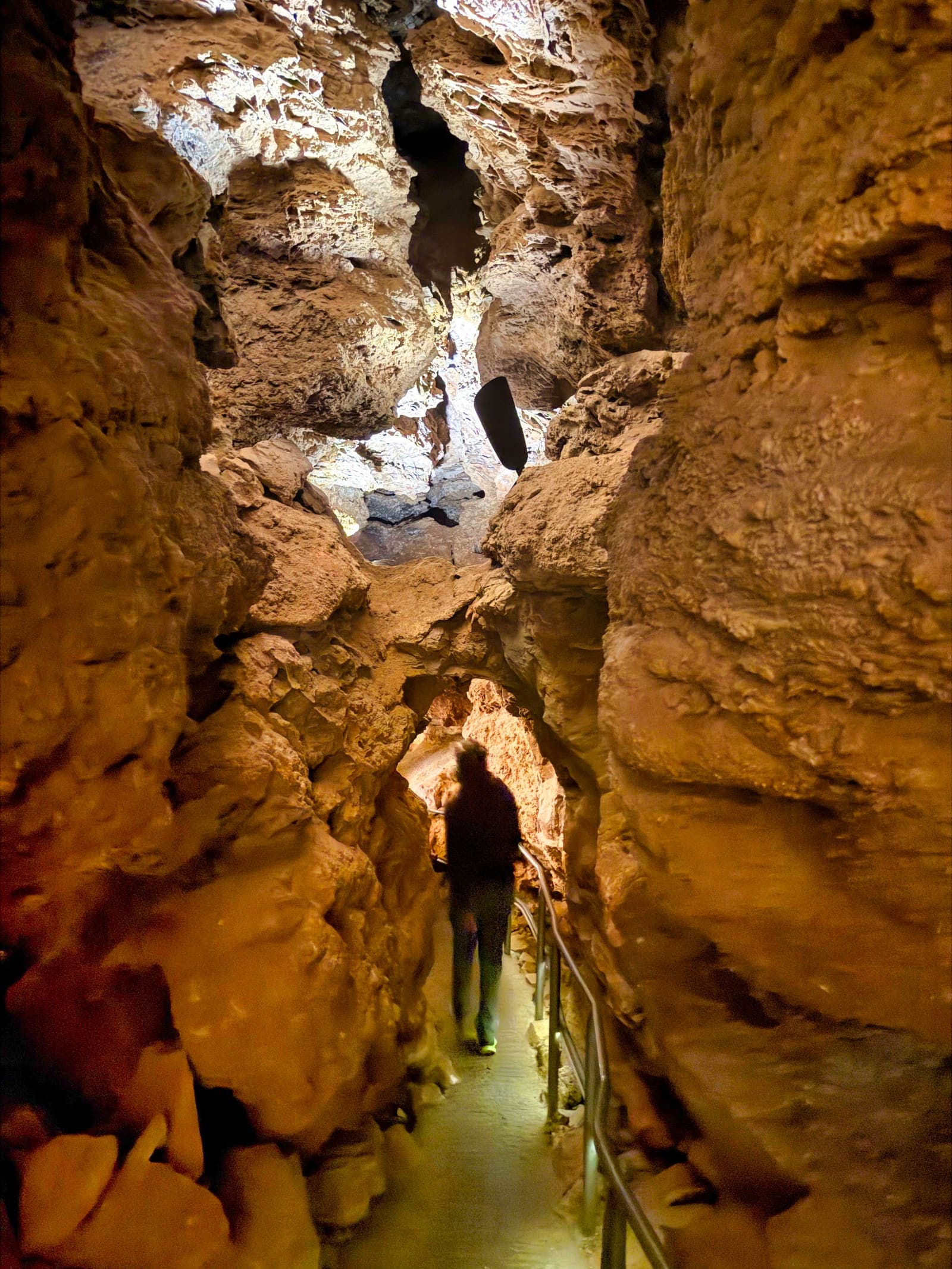
Boxwork formations. Thin blades of calcite in a honeycomb pattern, standing out from the walls and ceilings. So delicate. So intricate. So utterly hidden from anyone standing on the prairie above.
These formations are found almost nowhere else on Earth.
And they weren't carved. The calcite filled cracks in the rock, and over time the rock around it dissolved away.
The fins were there all along. What wore away was everything around them.
They exist in Wind Cave like a secret that took millions of years to reveal.
And I stood there looking at those walls and I thought something that hit different:
How many people have I underestimated, because I only saw surface?
How many strengths were right there that I didn't recognize?
How many of my people are extraordinary underneath?
And I've never gone looking.
The most extraordinary thing about Wind Cave is that the surface gives you no indication of what's underneath. Your strengths work the same way.
You've been there.
The team meeting where someone you've never really noticed finally spoke up.
And what came out was brilliant.
You'd walked past their cubicle a hundred times.
Asked them to grab coffee.
Never realized they had something in them you didn't see.
The project where your quietest team member surprised you by solving a problem everyone else had missed.
And you realized... I've been managing around this strength for months. Without even knowing it was there.
The conversation with your procurement lead where she mentioned a certification that would have changed everything... if you'd ever asked about it.
This is the tension between what something looks like and what it actually is.
The prairie tells you nothing about the cave.
Your surface tells you nothing about your playbook.
And the strengths you can't see are the ones costing you the most.
1. Your Greatest Asset Is the One You Haven't Looked At
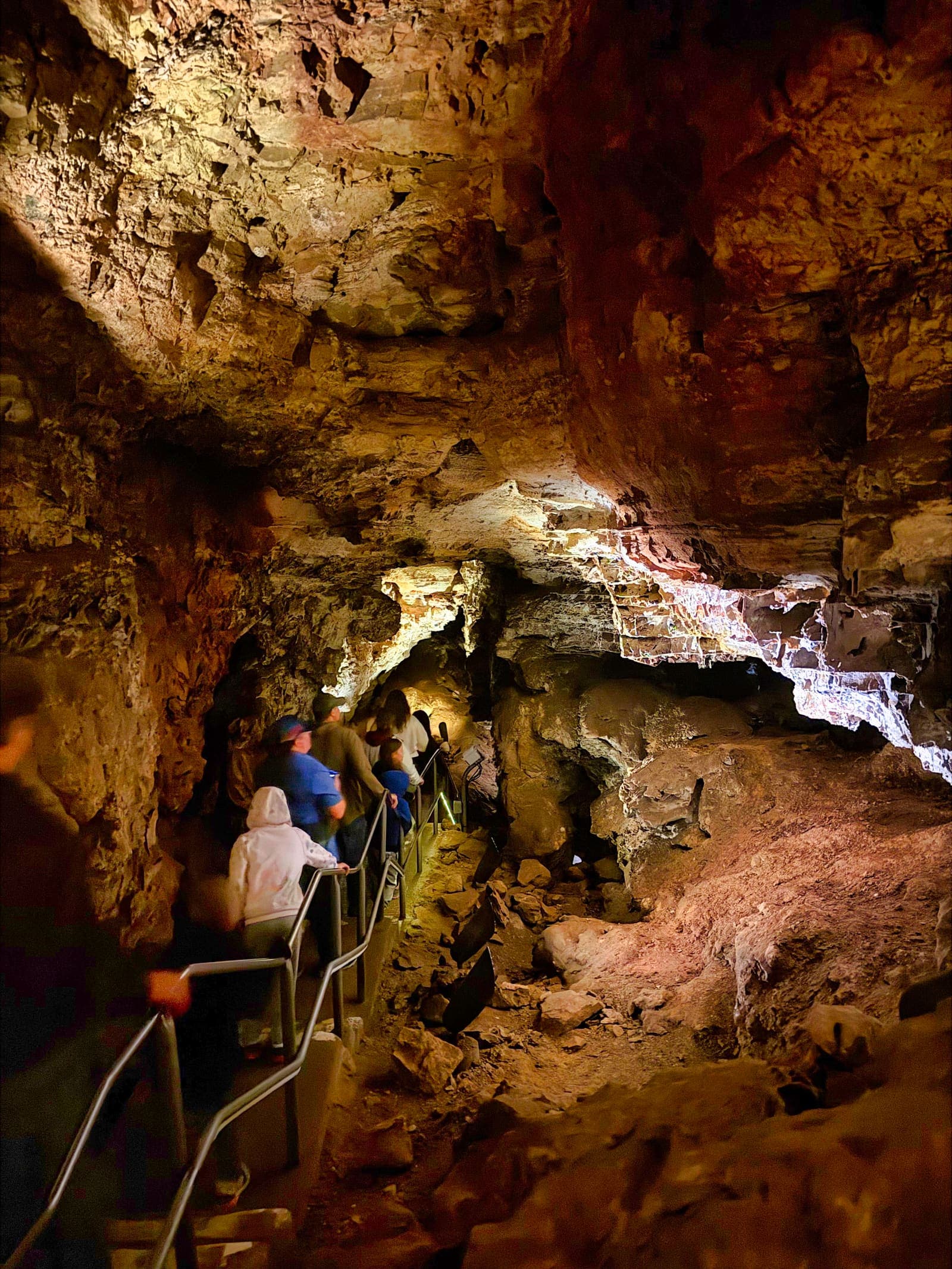
Visibility bias.
That's what most leaders operate on.
You manage what you can see.
You develop what you can measure.
You trust what shows up on the surface.
So your loud team member gets more air in the room.
Your extroverted performer seems like the natural leader.
Your visible strengths get deployed over and over until they're exhausted.
But Wind Cave didn't become extraordinary because of the hole at the top.
It became extraordinary because of what's underneath... that nobody sees unless they go looking.
The same is true about your people.
Think about the architect on your engineering team. The one who never speaks in all-hands meetings. The one who sits in the corner of the Zoom. The one you've probably labeled as... quiet.
And you're managing her like quiet is her ceiling.
But what if quiet isn't a weakness?
What if it's the entrance?
What if that quiet person is extraordinary underneath... in ways you can't see because you never descended into the cave?
A lot of leaders manage surface. They assume vocal means capable. They let visibility bias shape their whole picture of who can do what.
Until they realize... they've been building a team based on a prairie when it was actually a cave.
Your greatest asset isn't the one you see every day.
It's the one you've been managing around without ever going looking.
Who on your team is a Wind Cave that you've been treating like prairie?
2. Strengths Don't Just Happen. You Have to Intentionally Invest in Them
Wind Cave didn't become extraordinary by accident.
For millions of years, water moved through limestone. Dissolved it. Left the hard calcite standing. Uncovered those delicate boxwork formations that exist almost nowhere else.
It required time. Pressure. The right conditions working together. Intention at a geological scale.
And most leaders treat their people's strengths like they're prairie. Like they just... happen.
You hire someone. You throw them in. You hope they figure out where their strengths are.
Then you're shocked when your team member doesn't know what they're good at.
Here's what you're missing: the people who know their strengths didn't figure it out alone.
Someone asked them the right question.
Someone put them in a situation where a hidden strength had to come out.
Someone noticed something they couldn't see in themselves.
Someone invested in developing what they didn't know was there.
That's not luck.
That's a playbook.
Picture an operations manager who's thriving now. Somewhere back there, a mentor might have said... I see something in you that you don't see in yourself yet. And then helped her find the playbook to develop it.
It's easy to go whole seasons managing people and missing the excavation part completely. You show up. You delegate. You expect them to figure out their own cave.
But that's not leadership. That's just hope.
Leadership is the intentional work of helping someone discover and develop strengths they don't see in themselves.
It takes the same thing Wind Cave required... millions of years of patient, purposeful pressure.
Okay, not literally millions of years. But it takes time. Curiosity. The kind of intentionality most leaders aren't bringing.
What would it look like to stop hoping your people find their playbook... and start building one with them?
3. The Playbook You Need Is Already Inside You
This is the part where most leaders get lost.
They realize they've been missing strengths in their people.
So they go looking for the right framework. The right assessment. The right expert to come in and tell them what their team should be doing.
They buy the assessment tool. They read the book. They hire the consultant.
And the strength they uncover... still doesn't match the person.
Because they're using someone else's playbook to excavate someone else's cave.
But the playbook that actually works is the one that matches the person. The one built around how they're actually wired. The one that fits the actual architecture of their cave.
Wind Cave's boxwork is extraordinary because nowhere else on Earth has so much of it. You can't import it. You can't copy it. It exists because of the specific conditions, the specific geology, the specific history of that one cave.
Your people are the same way.
The principal engineer has a playbook inside for how to influence without being loud. It looks nothing like your extroverted head of sales. But if you're trying to make her louder... you'll miss her actual power.
The head of HR has a playbook for how to move people through crisis. It looks nothing like your rapid-fire COO. But if you're trying to make her faster... you'll destroy what makes her powerful.
Plenty of leaders spend years forcing people into playbooks that aren't theirs. Reading what great leaders do... and transplanting it onto people who are wired completely differently.
Until it clicks... the playbook you need is already inside you.
It's not waiting to be imported from some framework.
It's not hidden in the next book you'll read.
It's underneath. In the cave. Waiting for someone to go looking.
Your job isn't to build someone's playbook for them.
Your job is to help them find the one that's already there... and develop it at scale.
What strength is already in your people that you haven't gone looking for yet?
Buried Under the Prairie
You deploy the same three people over and over until they burn out.
You miss the extraordinary capabilities hiding in plain sight on your team.
Your quiet people stop offering ideas because they learned you don't ask for theirs.
Your best performer stays at 70% of what she could actually do... because you've never gone looking.
The playbooks your people need go undiscovered... and so does their best work.
And the leader you could become... the one who sees what others miss... stays buried under the prairie.
But when you stop managing surface?
When you go looking?
Your team starts moving like a cave system that's been flowing for millions of years.
Extraordinary. Intricate. Built for the landscape it actually is.
Go Looking
You didn't hire your people because of what they look like on the surface.
You hired them because you sensed something underneath. Some kind of potential. Some kind of capability you thought... if I could unlock this... it would change everything.
And somewhere along the way, you stopped looking.
The prairie got easier to manage than the cave.
Visible became easier than invisible.
The strength you could see became more important than the one you couldn't.
The entrance is small. The hole is simple. From the surface, it looks like nothing is happening.
But if you descend... if you go looking... if you bring light to the darkness... you'll find something extraordinary.
Your team is waiting for you to go looking.
Map One Cave
Pick one person on your team.
Not the director you lean on daily. Not the person in every meeting. Not the one making the most noise.
Pick the one you've been managing on the surface. The one you might have labeled as quiet. Or slow. Or not quite ready.
Now ask yourself:
What am I not seeing about this person? What strength is underneath that I haven't gone looking for?
What would change if I helped them discover the playbook that's already inside them?
Then... go look. Ask the questions. Listen to what they tell you.
Start mapping the cave.
Write down one strength you discover. One question you ask. One way you'll help them find their playbook.
This week.
Wind Cave's entrance is a small hole that breathes.
Underneath is one of the longest cave systems in the world.
What's underneath your people?
You got the position.Nobody gave you the playbook.
If this note read like your team, High Impact Teams is where you install the playbook they can run when you're not in the room.
See High Impact Teams

Founder, Lead Differently
The Lead Differently movement. For leaders who got the position without the playbook. Built around how you're actually wired.