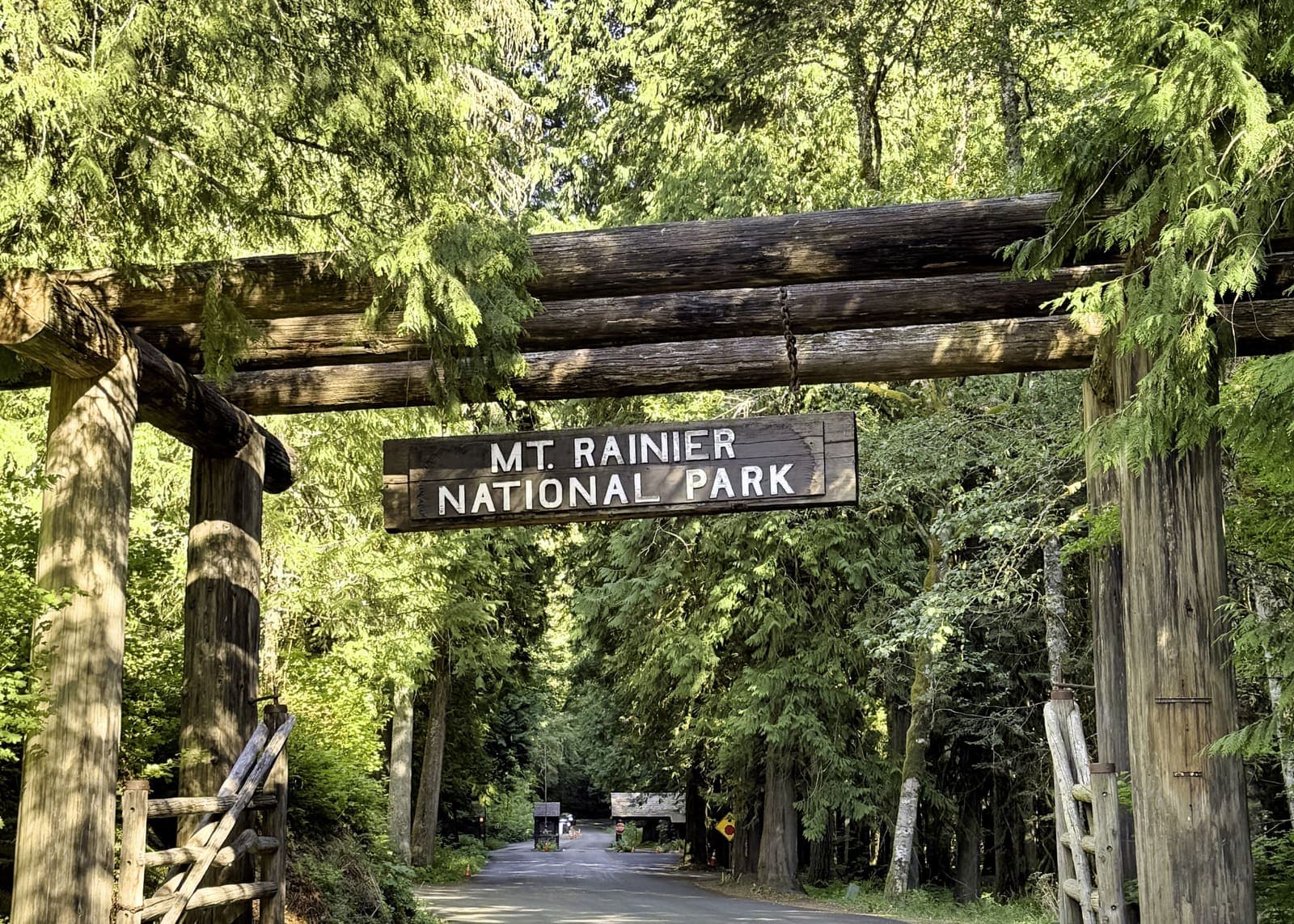
Carry the Weight of Being the Anchor:Mount Rainier
Your team isn't struggling because they can't figure it out.
They're struggling because you never showed them what 'figured out' looks like.
Ask most leaders why the team isn't stepping up, and you'll hear this:
My team should just step up.
They should take ownership.
They should be motivated enough to figure it out on their own.
And when they don't?
You carry it.
You absorb it.
You become the person who holds every answer, every decision, every next step.
Because if you don't... who will?
That's the trap.
It feels like leadership. It feels noble. It feels necessary.
But it's not.
It's carrying.
And carrying without a playbook isn't strength... it's a slow collapse disguised as commitment.
The Mountain That Didn't Need to Announce Itself
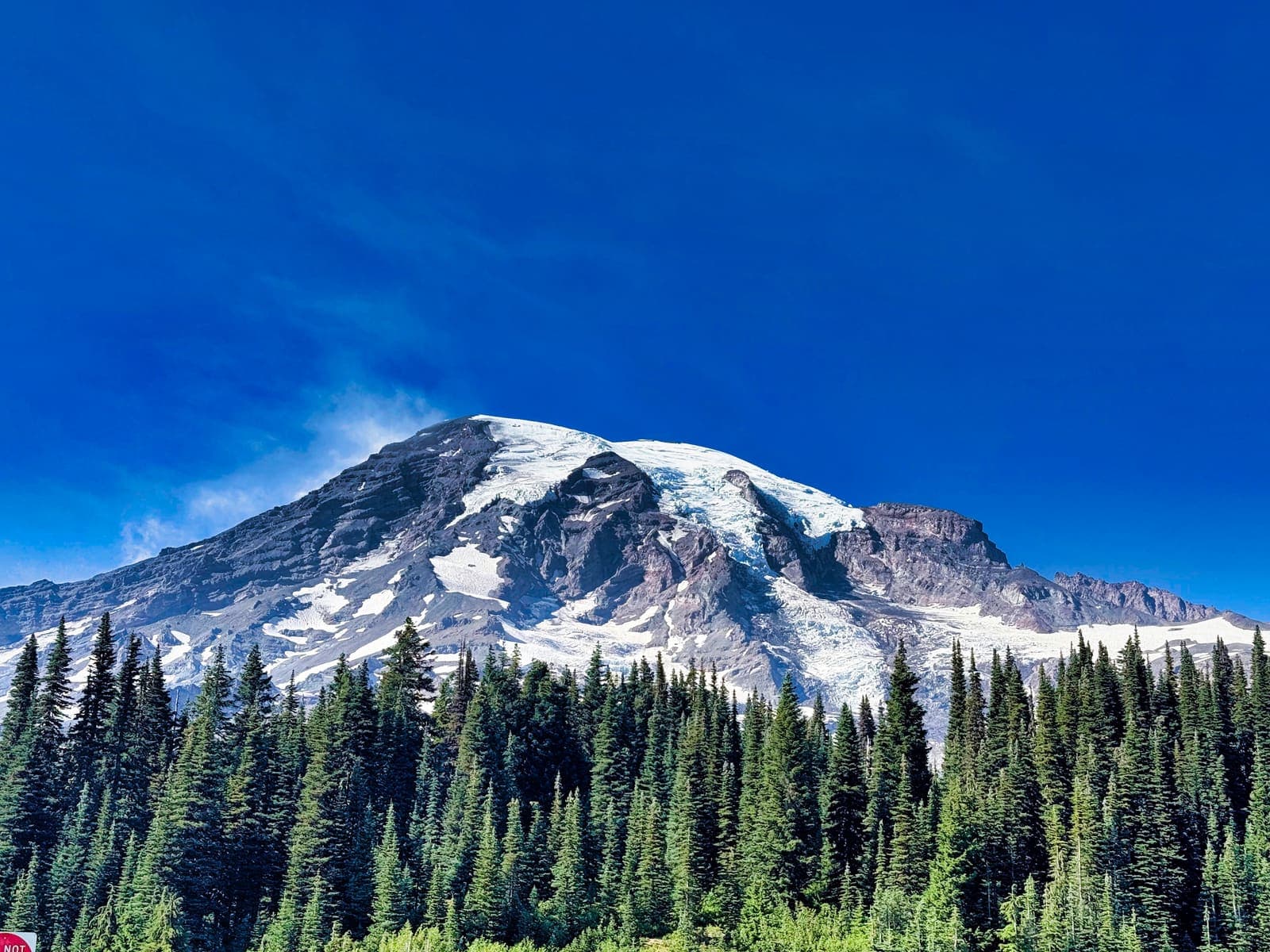
I saw Mount Rainier before I was anywhere close to it.
Sixty miles out. Maybe more.
Just this massive snow-covered peak rising above the treeline like it had always been there.
Because it had.
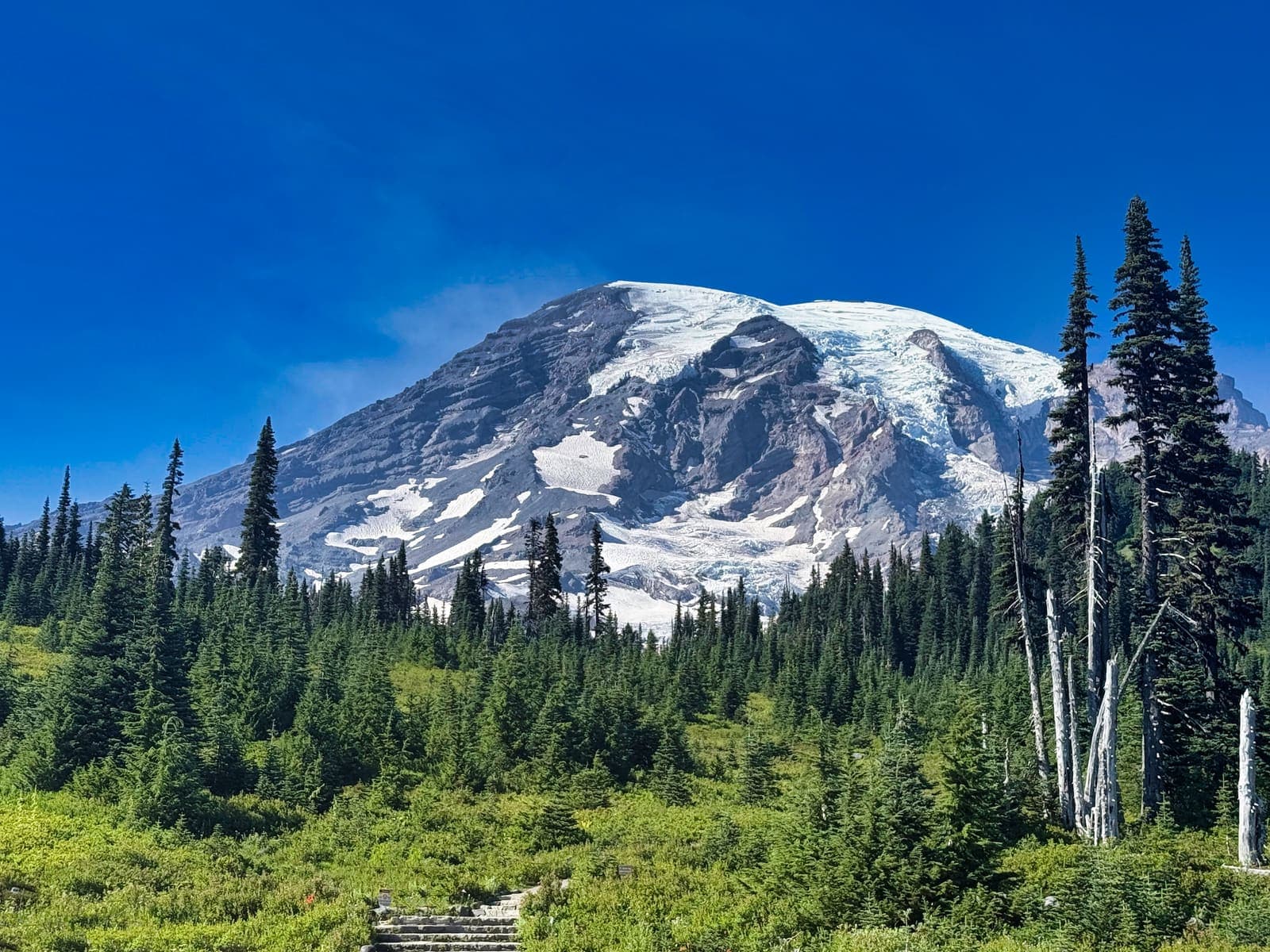
Rainier doesn't announce itself.
It doesn't compete with the skyline.
It doesn't shift or adjust depending on who's looking.
It just... exists.
With enough presence that everything else organizes around it.
Rivers flow away from it.
Forests grow up its sides.
Weather patterns break against it.
People use it to orient themselves... to figure out direction, to understand where they are.
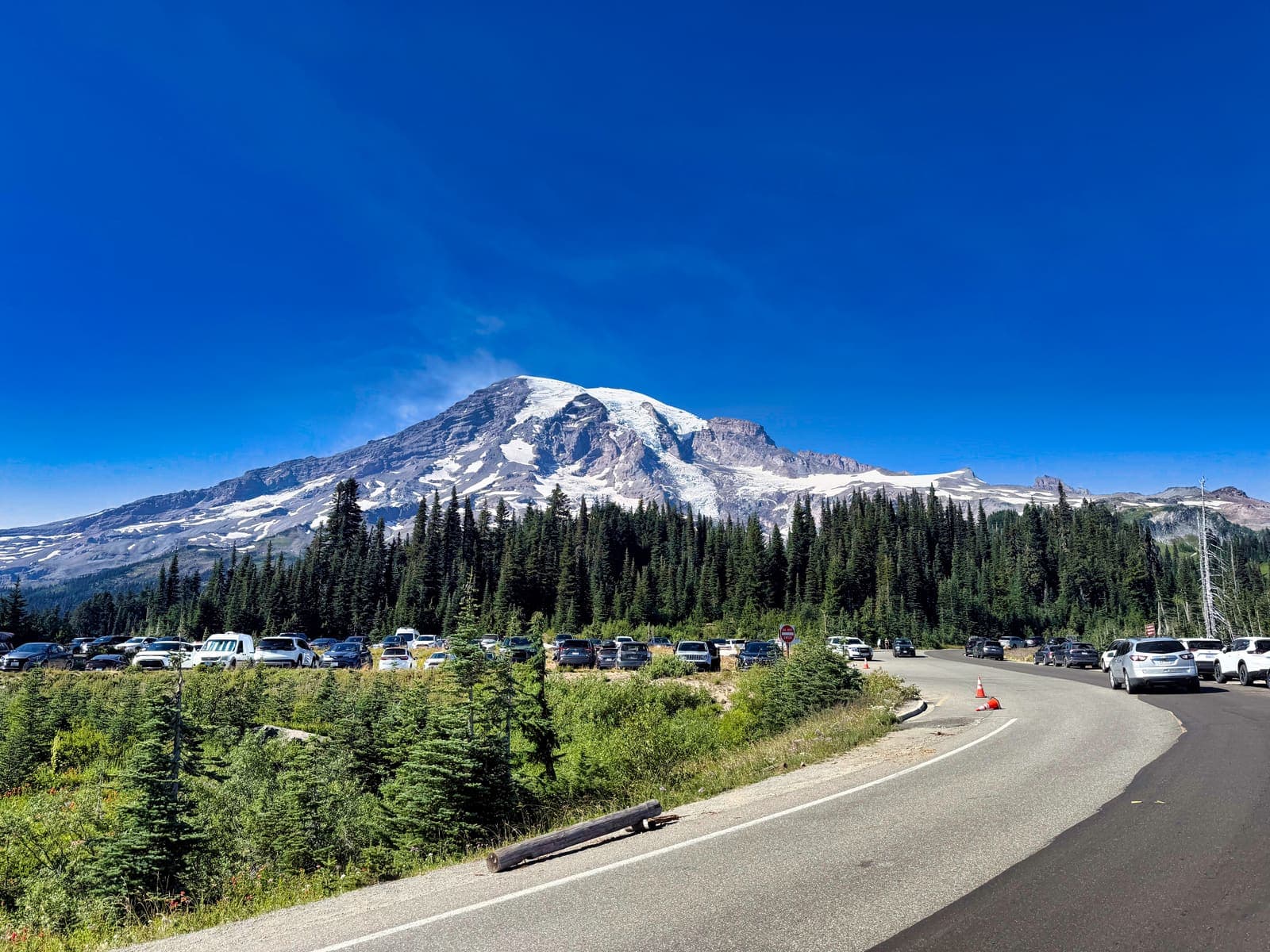
And I stood there staring at it thinking...
That's what every team is looking for.
Not a perfect leader.
Not someone with all the answers.
Just a steady presence. An anchor. Something solid enough to organize around.
But here's the part that hit me hardest.
Rainier isn't steady because it carries the landscape.
Its glaciers feed the rivers. Then it lets them run. It doesn't steer them. It doesn't manage the forests. It doesn't micromanage the ecosystem.
The landscape keeps going even when clouds hide the peak entirely.
I thought about that for a long time.
Because a lot of leaders think steady means carrying everything.
They confuse being the anchor with being the one doing all the work.
They wear the weight like a badge... and call the exhaustion leadership.
Rainier isn't steady because it carries the landscape. It's steady because the bedrock underneath it carries the weight without being asked.
You've done this.
Answered the question before your team even finished asking it.
Jumped into the project because waiting for someone else to own it felt like a risk you couldn't afford.
Sat in a meeting where everyone looked at you... and you gave direction even when you weren't sure. Because the silence felt worse.
Rewrote someone's work at 10 PM because it was faster than coaching them through it.
Took the call. Made the decision. Solved the problem. Again.
And then sat alone with all of it.
Every time.
The weight of being the one everyone orients around.
The one who holds the vision.
The one who absorbs the stress so the team can function.
Not because you wanted to carry it.
Because nobody ever gave you a playbook for how to build something that carries itself.
1. You Handed Them the Puzzle With No Picture on the Box
Here's something most leaders learn the hard way.
You have the vision. Clear as day. You can see exactly where things need to go.
But you're keeping it all in your head.
You get frustrated when your team doesn't move fast enough.
When they come back with something that misses the mark.
When they need you to explain it... again.
And you think: why can't they just figure it out?
But here's the truth.
If you hand someone a puzzle with no picture on the box... you can't blame them for being slow.
That's what's happening.
You're handing your team pieces. Expecting them to build something you can see but they can't.
Rainier doesn't hide the peak. It tops out at 14,410 feet and says: here's where we're going. Orient around this.
Rivers don't guess which way to flow. The landscape doesn't wonder where the center is.
Everything moves because the picture is clear.
Your quiet employee who keeps asking you to explain it again?
She's not slow. She doesn't have the picture.
Your team member who used to speak up in meetings and doesn't anymore?
He stopped because every time he tried, it didn't match what was in your head.
So he learned to wait. To be dependent. To let you carry it.
That's not a motivation problem.
That's a picture problem.
And the picture is your job. Not theirs.
When did you stop painting the picture... and start wondering why nobody could see it?
2. Your Team Learned to Be Dependent Because You Taught Them
This one stings. I know.
Because you didn't mean to do it.
You meant to help. To be available. To make sure things went right.
But every time you jumped in and solved the problem for them...
Every time you took back the task because it was faster...
Every time you gave the answer instead of coaching them toward their own...
You taught them something.
You taught them to wait.
To check with you first.
To bring problems instead of solutions.
To let you carry the weight... because you always would.
Maybe that's you right now.
Doing everyone's job plus your own. Telling yourself it's temporary. Telling yourself they'll eventually step up.
They won't.
Not while you keep doing it for them.
Rainier feeds the rivers. It doesn't steer them.
It doesn't push the forests up its sides.
It doesn't manage which way the wind blows or where the elk graze.
The ecosystem around Rainier thrives because the mountain feeds it and then lets it run. Not because the mountain does the work for everything around it.
Your strongest performer... the one who keeps delivering?
She's about to burn out. Because she's doing her job and half of the work you should've delegated months ago.
The person who always agrees in meetings?
He's not aligned. He's given up trying to own anything because the playbook keeps changing.
You didn't create a team that can't step up.
You created conditions where stepping up wasn't possible.
What would happen if you stopped carrying... and started building the conditions for them to carry themselves?
3. The Anchor's Job Isn't to Carry. It's to Create the Conditions
This is the shift.
The one that changes everything.
Being the anchor doesn't mean being the person who holds it all.
It means being the person who builds something strong enough that holding isn't necessary.
What holds Rainier up is underneath it. A foundation of rocks millions of years old, in the Park Service's words.
Not the snow on top. Not the glaciers. Not the peak itself.
The structure underneath. The foundation nobody sees.
That's it.
That's what a playbook is.
Clear expectations. Defined roles. A picture on the box that everyone can see.
Not you holding it together. The system holding it together.
Picture an Executive Director doing everyone's job.
Exhausted. Resentful. Convinced her team is the problem.
Then she builds a playbook with clear expectations and strengths-based roles...
And her team starts owning the work.
Not because they suddenly got motivated.
Because she finally gave them the picture on the box.
Amy Edmondson, who studies psychological safety, asks executives how many failures in their organizations are truly blameworthy. The answer is usually 2 to 5 percent.
Then she asks how many get treated as blameworthy. 70 to 90 percent.
Most of the time, the team isn't the problem.
Gallup calls knowing what's expected of you at work the most basic need an employee has. Only about half of employees strongly agree that they do.
Not pizza parties. Not bonuses. Not perks.
The picture on the box.
And that's a leadership problem. Not a team problem.
You've been the visible anchor.
Now it's time to build the invisible bedrock.
What if the strongest thing you could do... isn't hold tighter, but build deeper?
One Person Holding It All
Your best people start wondering if they'll ever get to own anything.
Your meetings stay stuck because nobody makes a move without checking with you first.
Your culture stays inconsistent because the playbook lives in your head and nowhere else.
Everything stays fragile because it all runs through one person... you.
Your energy stays drained because carrying isn't sustainable. It never was.
And every Friday, you're more tired than the Friday before.
But when you build the bedrock?
When you paint the picture and let your team orient around it?
They step up. Not because you forced it.
Because the conditions finally made it possible.
What the Anchor Makes Possible
You got into leadership because you cared about people.
Not about being the bottleneck.
Not about carrying every decision.
Not about being the only person who knows what's going on.
You wanted to build something. To develop people. To create something that lasts.
And somewhere along the way... carrying became the identity.
The weight became the proof that you mattered.
And the exhaustion became normal.
It doesn't have to be.
Standing in front of Rainier, it came down to this:
The anchor's power isn't in what it carries. It's in what it makes possible for everything around it.
Your team isn't the problem.
The absence of a playbook is.
And that's actually good news... because playbooks can be built.
Paint the Picture on the Box
Pick one thing you're currently carrying that someone else on your team could own.
Not the easy thing. The one you keep holding because you think it won't get done right without you.
Now ask yourself:
Have I given them the picture on the box? Do they know what success looks like?
If the answer is no... that's your starting point.
Paint the picture. Define what done looks like. Then let them build it.
Write it down. The task. The expectation. The handoff.
Don't just think about it. Document it.
Because if it only lives in your head... you're still the bottleneck.
Rainier doesn't carry the landscape.
It feeds it, and it anchors it.
Your turn.
You got the position.Nobody gave you the playbook.
If this note read like your team, High Impact Teams is where you install the playbook they can run when you're not in the room.
See High Impact Teams

Founder, Lead Differently
The Lead Differently movement. For leaders who got the position without the playbook. Built around how you're actually wired.