Build What Outlasts You:Mesa Verde's Ancient Walls
Most leaders are building something that won't survive the week they stop showing up.
Not because they don't care.
Not because they're not working hard enough.
Because they're managing instead of building.
The old model taught you this:
Leadership is about having authority. Staying in control. Knowing the answers. Being the strongest voice in the room.
Hold tighter. Push harder. Stay on top of every detail.
If you control it, it works. If you let go, it falls apart.
That model worked when the world moved slower.
When information lived at the top and obedience was the currency.
When nobody expected to be developed, just directed.
But that world is gone.
And the leaders still running that playbook are building something fragile.
Something that only holds when they're standing in the middle of it.
Something that disappears the moment they step away.
You know this. You've felt it.
You've gone on vacation and come back to chaos. You've delegated and watched it crumble. You've poured yourself into your team and wondered why nothing sticks when you're not there pushing it forward.
That's not a people problem. That's a building problem.
And the old model never taught you how to build differently.
The Ancient Walls That Outlasted Everything
I climbed down to Cliff Palace and wasn't ready for what I felt.
Not impressed. That came later.
Overwhelmed.
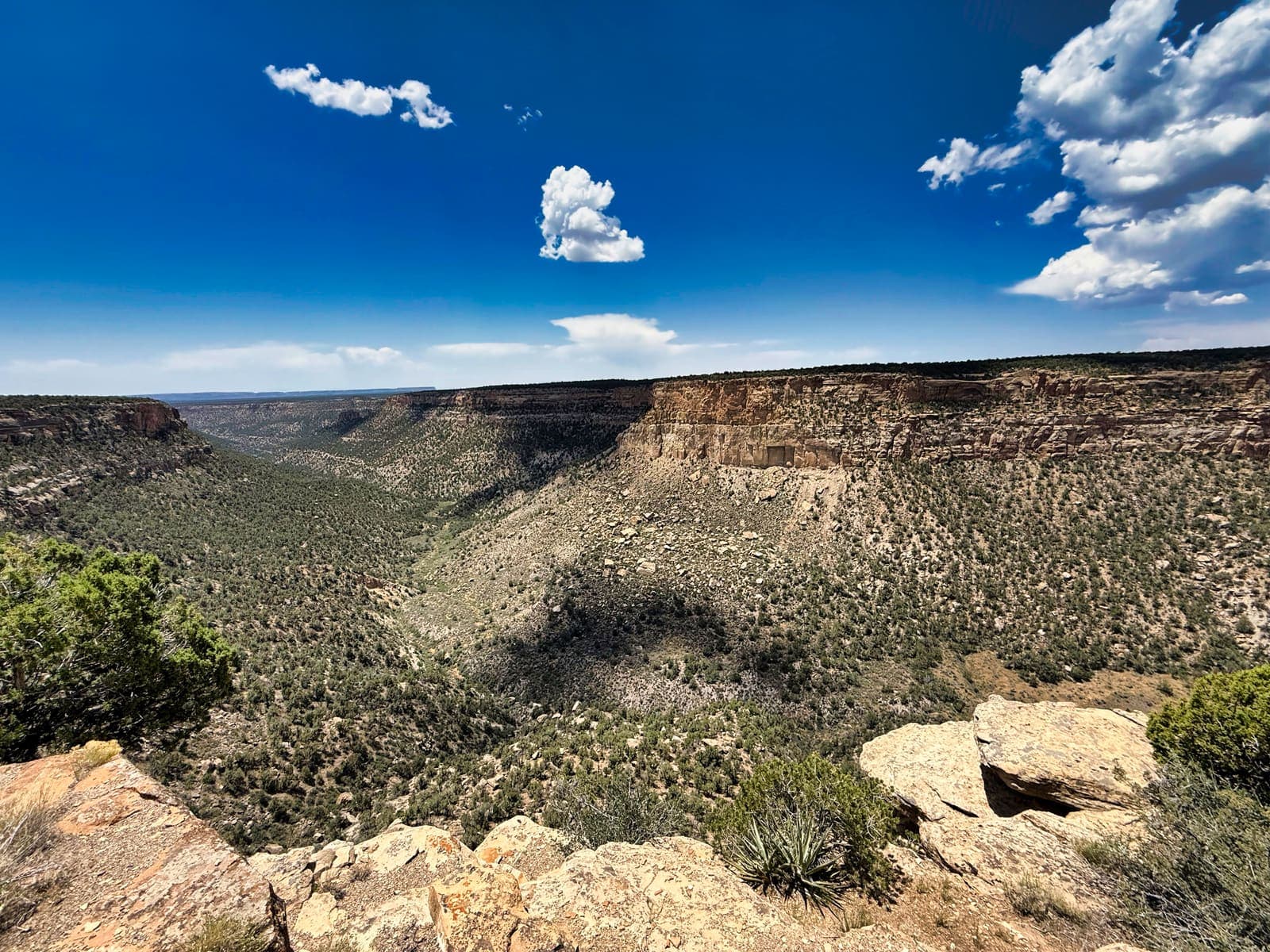
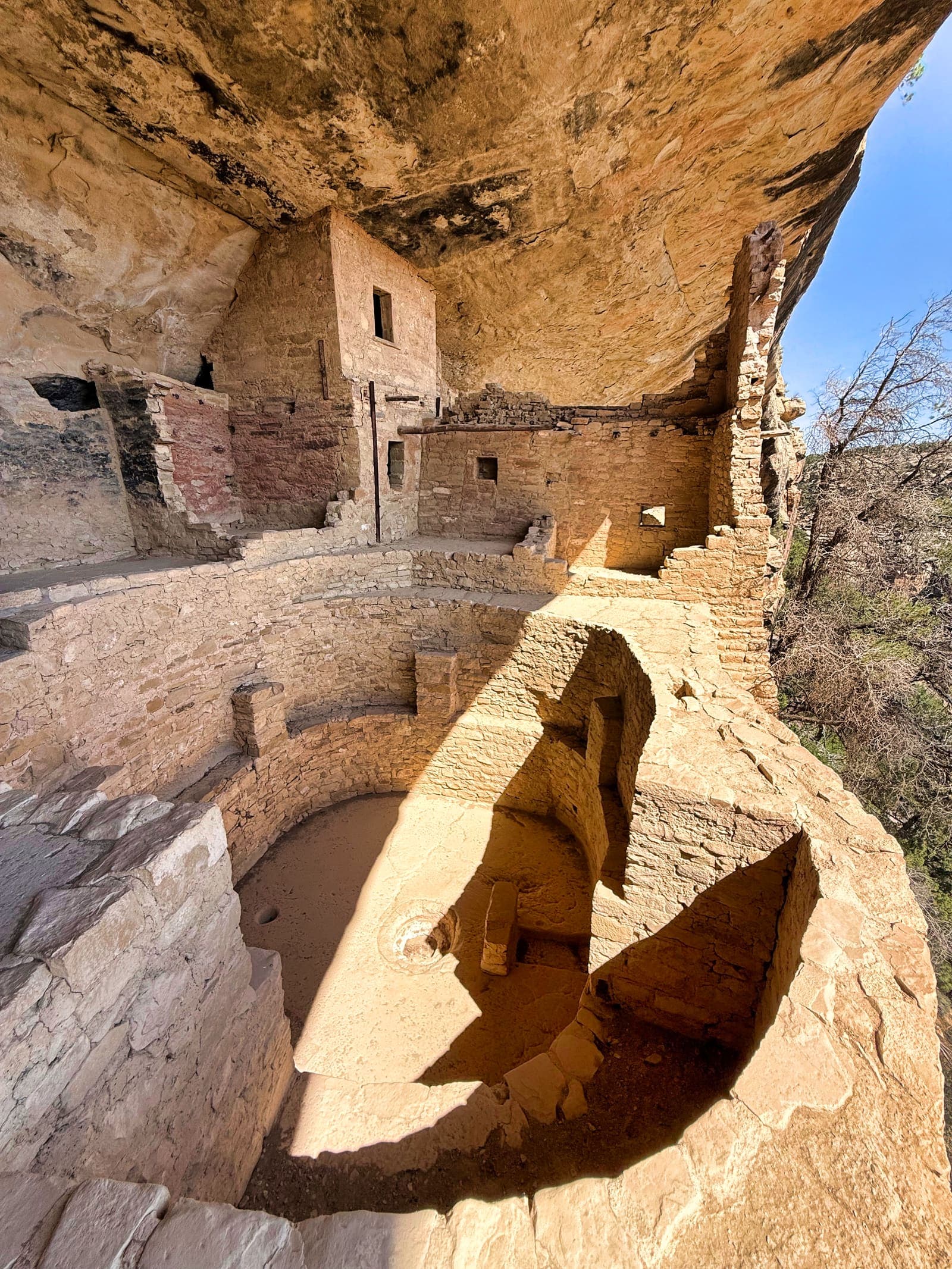
Stone shaped by hand. Timber hauled down from the mesa top. Rooms, kivas, passageways, walls. All of it built into the cliff's alcoves like the rock itself was supposed to hold it.
Nothing temporary.
Nothing rushed.
Nothing sloppy.
I looked into a room that someone built about 800 years ago... and the walls were still holding.
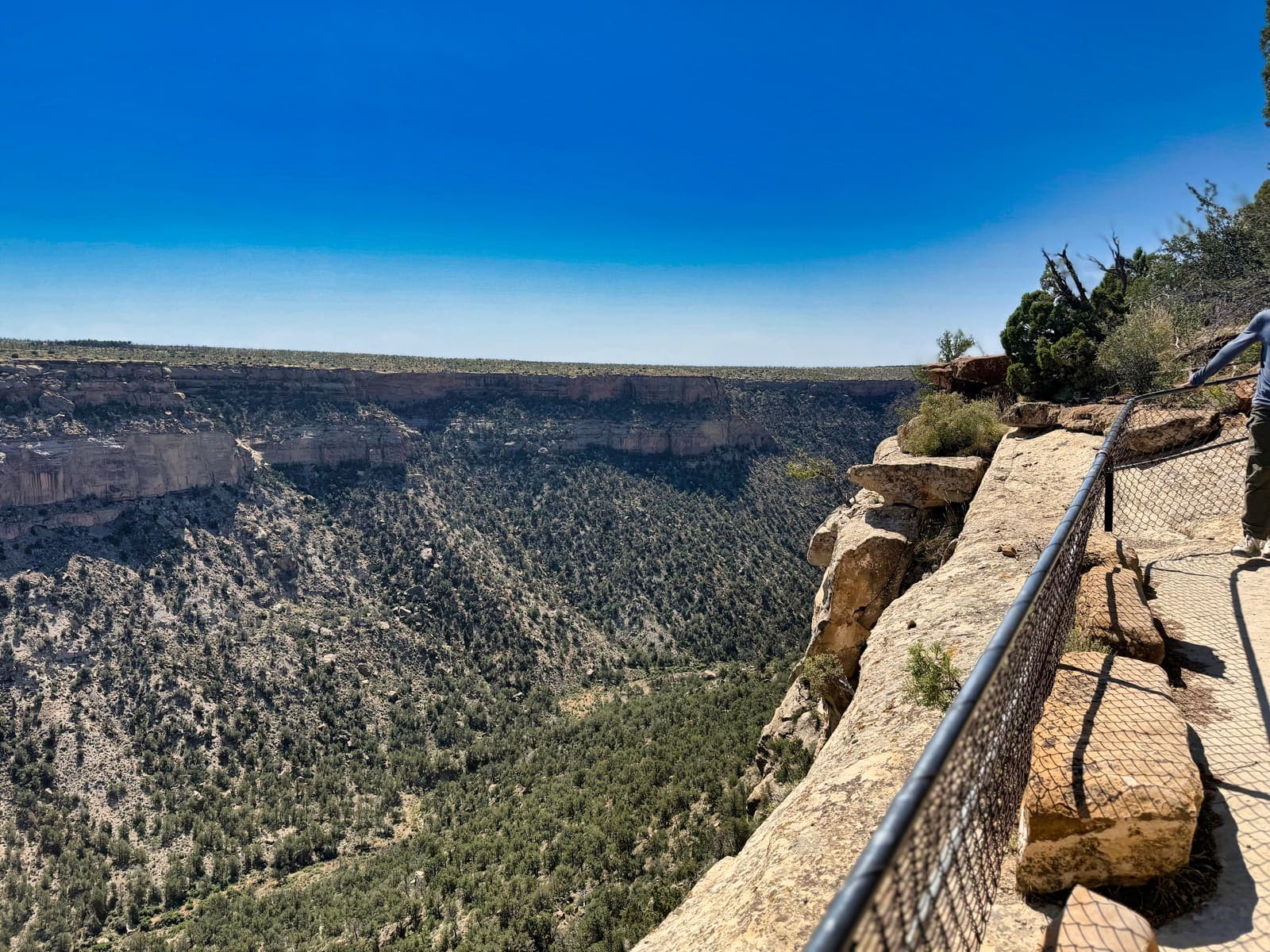
The ventilation still made sense. So did the layout. The shared walls between rooms still carried weight for the rooms on either side of them.
And I had this thought I didn't want to have:
When was the last time I built something in my leadership that would still be standing if I left tomorrow?
Not held together by my presence. Not dependent on my daily attention.
Designed to hold without me.
These builders didn't have modern tools. Didn't have project management software or team retreats or leadership podcasts.
They had intention.
They had craft.
They had a vision for something bigger than this season.
No one knows for sure why they moved down into the cliffs. Defense, shelter from the weather, faith: the Park Service names them all as possibilities.
What we know is how well they built once they did.
And what happened after. Once the dwellings were found, looters went at these walls with everything from pick and shovel to dynamite. In 1909, Cliff Palace was repaired and stabilized, and the park still checks on it every year.
Mesa Verde isn't standing because someone holds it together every day. It's standing because it was built well, and because people have looked after it for more than a century.
Looking after something isn't the same as holding it up.
You've built things that didn't last.
The onboarding system you designed that nobody follows anymore.
The team rhythm that worked for three weeks and then dissolved.
The expectations you set in January that nobody remembers in March.
You've watched a good hire lose their spark because the culture around them wasn't built to sustain it.
You've seen a strong quarter followed by a collapse because the systems underneath were held together by your willpower, not by design.
You've had the meeting where everyone nods and agrees... and then nothing changes.
You've built the strategic plan that lives in a drawer.
You've created the vision statement that nobody on your team can recite.
And every time something falls apart, you think the answer is to try harder. Hold tighter. Do more.
But the Ancestral Puebloans at Mesa Verde didn't build something that's lasted about 800 years by trying harder.
They built it by thinking differently about what they were building in the first place.
1. Managing Is Surviving. Building Is Leading.
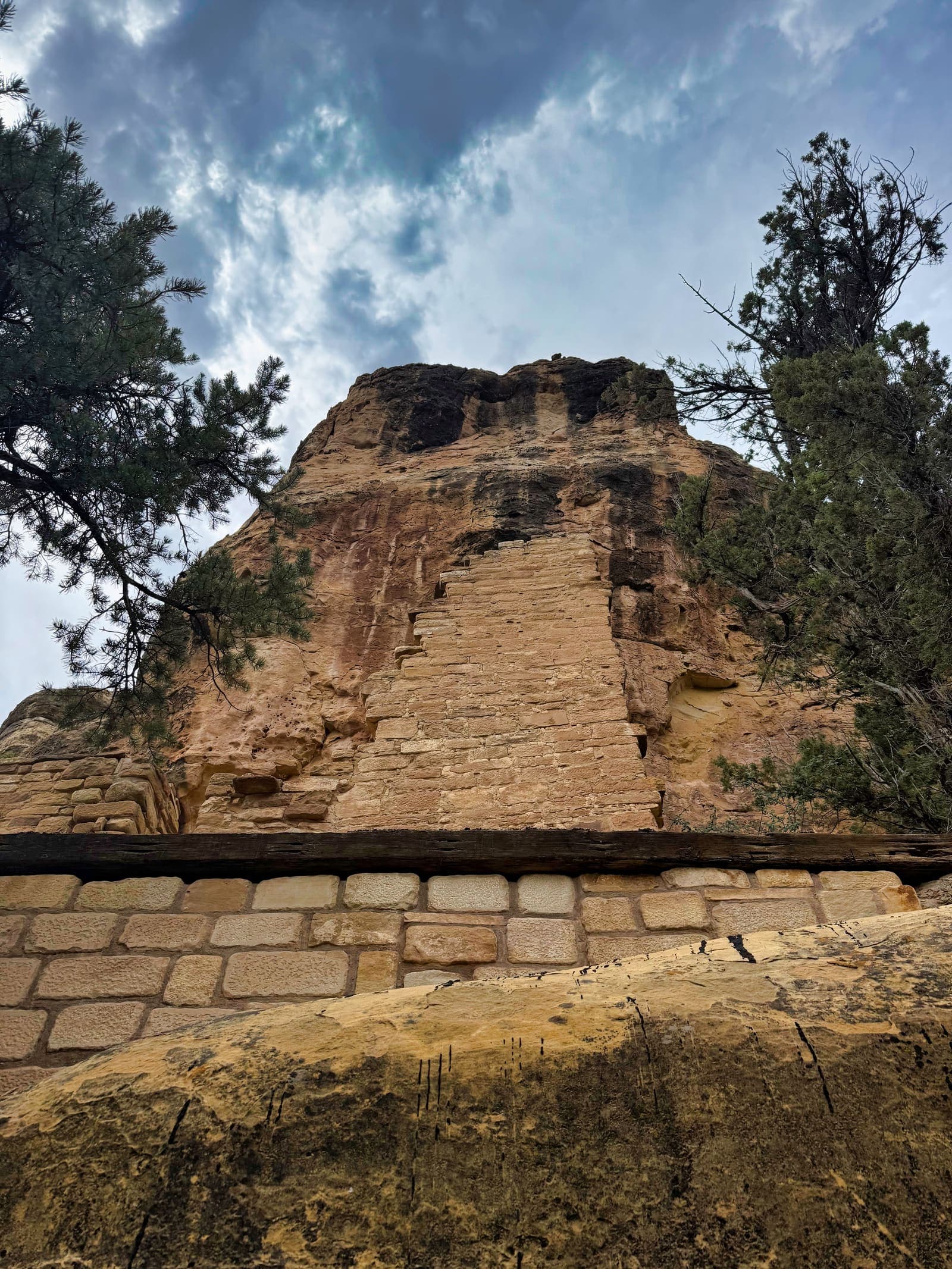
Most leaders spend most of their energy managing.
Putting out fires. Answering questions their team should be able to answer. Solving problems that keep coming back because the system that created them was never fixed.
That's not leading. That's surviving.
And survival has an expiration date.
The people who built Mesa Verde's cliff dwellings knew survival up close. The Park Service says they spent much of their time just getting food, even in the best years.
They lived in the cliff dwellings for less than a hundred years. By about 1300, after drought and failed crops, they had moved on. Some of today's Pueblo people are their descendants.
Less than a hundred years. And what they built is still standing, more than 700 years after they left.
They didn't wait for an easy season to build well. They built well in the middle of hard ones.
Now think about your week.
How much of it was building? And how much was managing things that should already be built?
The meeting you ran that could have been an email if your team had clear enough expectations to operate without the meeting.
The decision you made that someone three levels below you should have owned... but didn't, because you never built the system that empowered them to.
The fire you put out on Thursday that was the same fire from February, wearing a different hat.
You may know this one from the inside. Managing every detail because you told yourself nobody else would do it right. And you were right... because you'd never built anything that let them do it right without you.
That's the trap. You manage because you haven't built. And you haven't built because you're too busy managing.
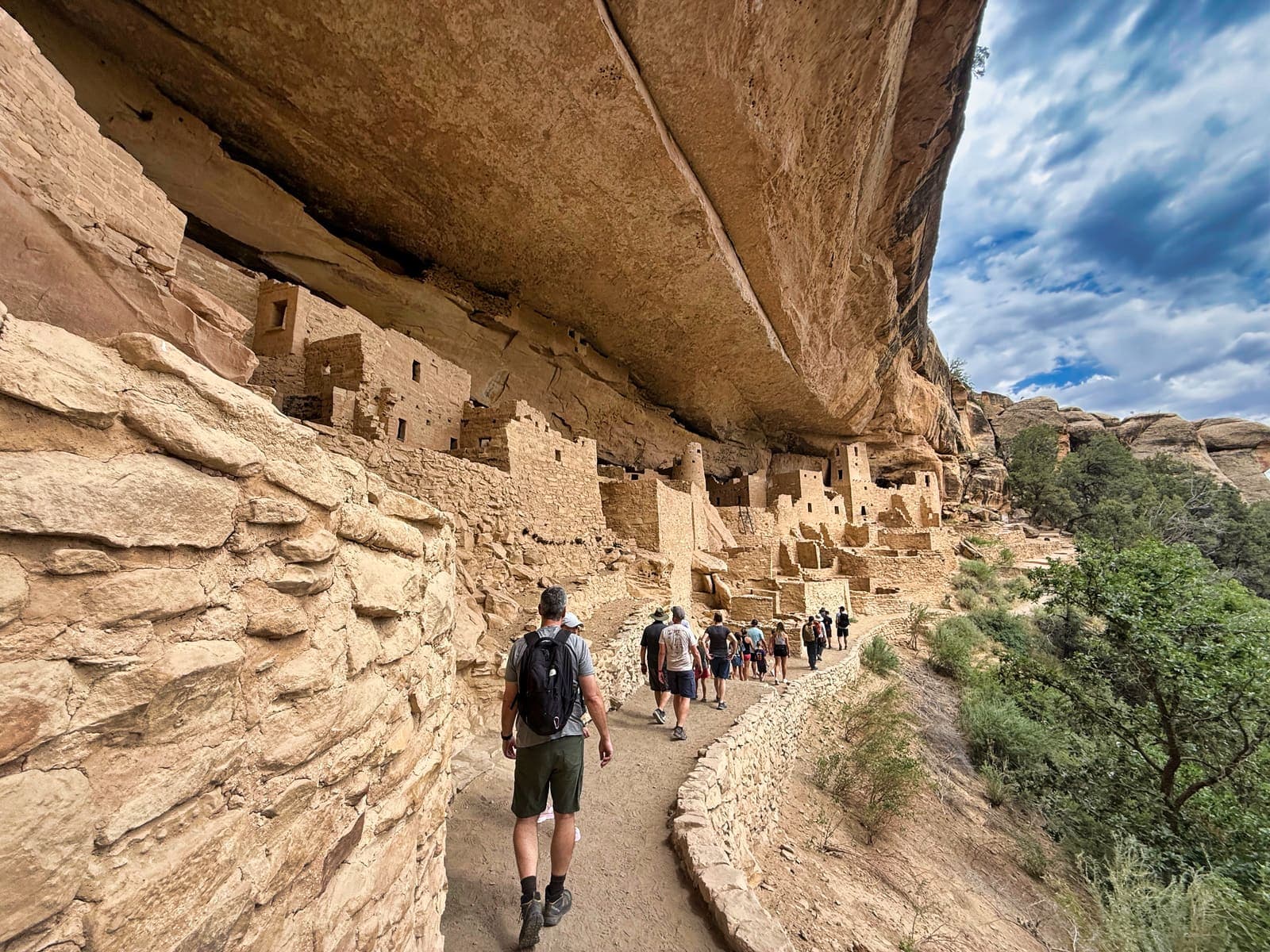
Mesa Verde breaks the cycle by showing you what it looks like when someone stops managing the cliff and starts building into it.
The cliff didn't get easier. The builders got more intentional.
2. Your Team Wants an Architect, Not a Boss.
Look at how the rooms at Cliff Palace connect.
Shared walls. Shared courtyards.
Every room leaned on the ones beside it.
Nobody built their room in isolation. Nobody said, "This is mine, figure out yours."
The whole community was architecturally interdependent.
That's what your team is waiting for.
Not someone who tells them what to do. Someone who designs a system where they can actually do it.
Your strongest performer isn't leaving because the work is hard. She's leaving because she's operating in a structure that doesn't support what she's capable of.
Your quiet team member isn't disengaged. He's waiting for someone to build a space where his contribution actually matters.
The person who keeps coming to you for approval on things they should own? That's not a confidence problem. That's an architecture problem.
Think about the best teacher or mentor you ever had. They didn't control you. They didn't hover. They didn't micromanage your every move.
They built a space where you could grow. Then they trusted the space.
Mesa Verde hasn't lasted 800 years because someone bossed it into existence.
It's lasted because it was built well, room against room, wall against wall, each one leaning on the ones around it, tucked under the cliff's overhang.
Nobody needed a boss when the building itself told you where you belonged.
What would it look like if your team operated that way?
If the structure you built was so clear and intentional that people knew where they fit, what they owned, and how their work connected to the person next to them... without you having to explain it every Monday?
That's building differently. And it's the shift most leaders never make because the old model told them leadership was about authority, not architecture.
3. Legacy Isn't Later. Legacy Is Every Tuesday.
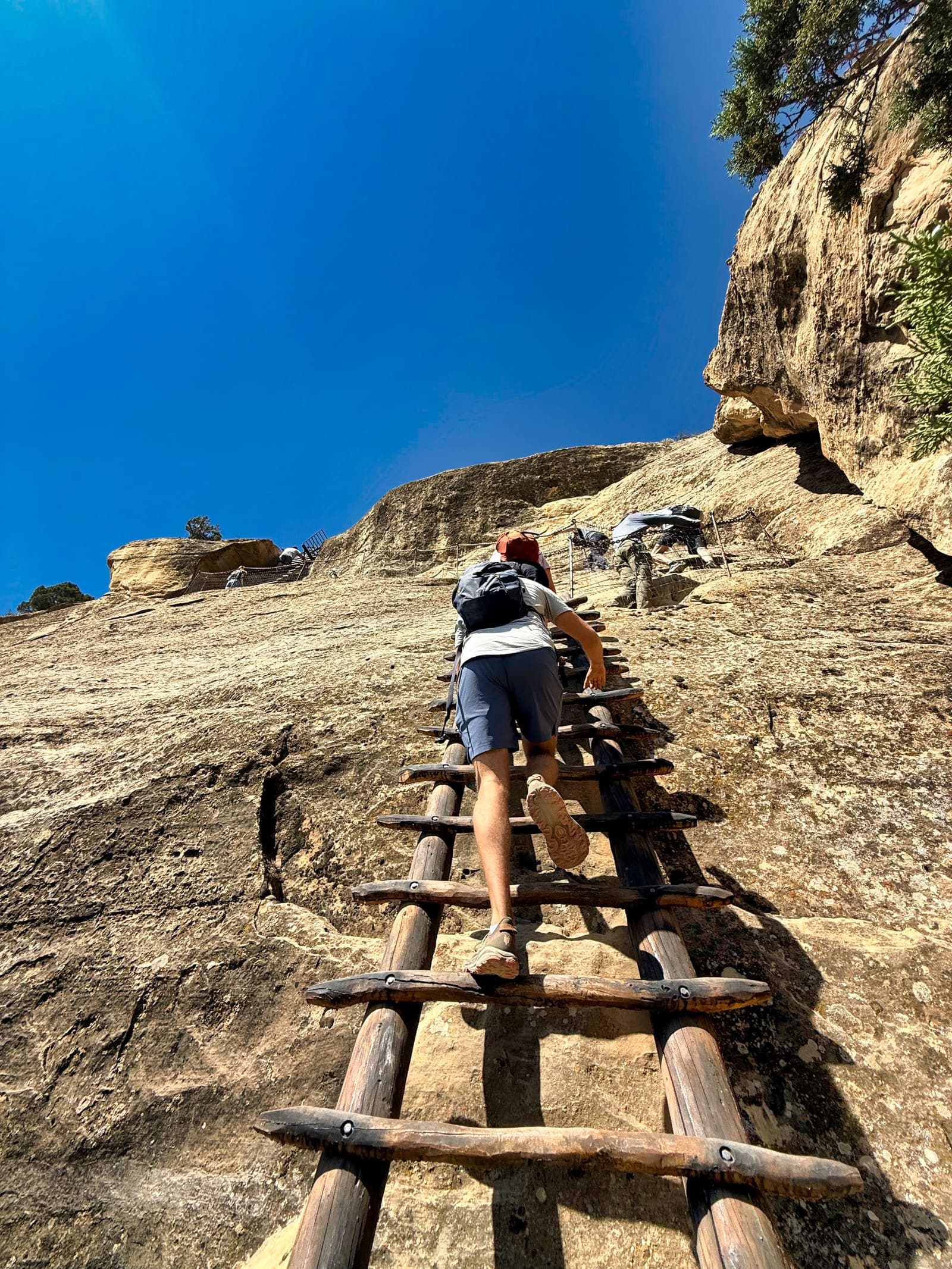
The builders at Mesa Verde didn't wait until they were done to call it a legacy.
They were building legacy every day they showed up with a stone in their hand.
Every wall they laid.
Every room they connected.
Every kiva they dug into the earth for the community to gather around.
Legacy wasn't a speech. It was craftsmanship. Repeated. Daily. Without an audience.
Leaders get this wrong all the time.
They think legacy is the farewell tour. The retirement speech. The thing they'll get to "someday" when they have more time, more resources, more room to breathe.
But legacy is built in the ordinary moments nobody is watching.
The Tuesday afternoon where you chose to coach instead of correct.
The Thursday 1:1 where you asked a question instead of giving a directive.
The Friday where your team handled a crisis without calling you... because you'd built them to handle it.
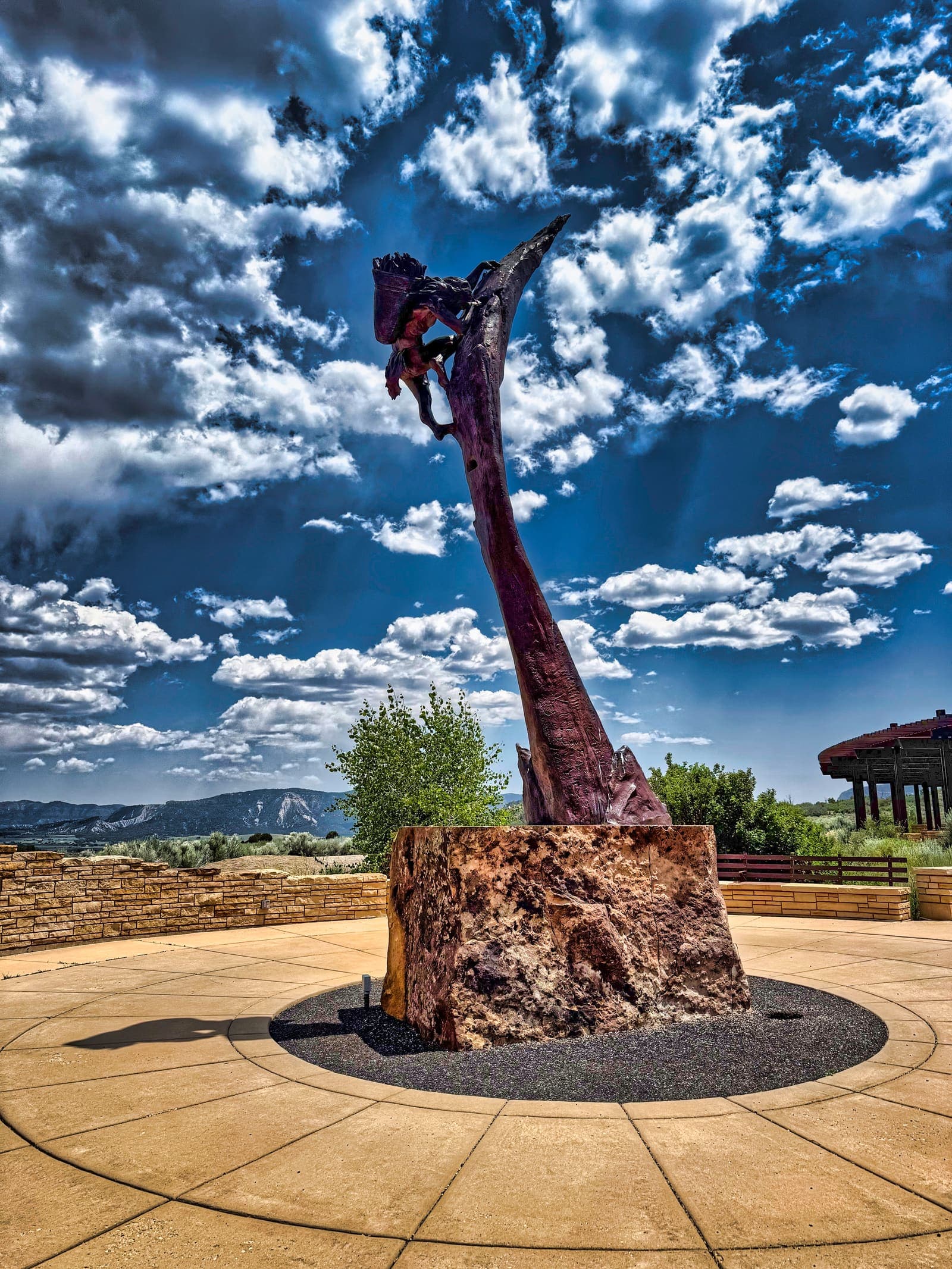
Think about the builders at Mesa Verde the next time you're doing the unglamorous work. The process documentation nobody reads. The team rhythm that feels repetitive. The expectation-setting conversation you've had five times already.
None of it feels like legacy.
All of it is.
You are shaping how people treat each other. You are modeling how conflict is handled. You are teaching what's tolerated. You are defining what "good" looks like.
You are building a legacy in real time whether you mean to or not.
The question isn't whether you're building one. The question is whether you're building it by design... or by default.
Mesa Verde's walls went up stone by stone, every one placed on purpose.
Your leadership works the same way.
Stone by stone. Tuesday by Tuesday. Decision by decision.
Fragile by Default
Your best people start looking for a leader who's actually building something.
Your culture stays inconsistent because it was never designed, just managed.
Your systems stay fragile because they depend on you instead of standing on their own.
Your team stays underdeveloped because they've never been trusted with real ownership.
Your stress stays high because you're carrying what the structure should carry.
And you end each week exhausted... with nothing lasting to show for it.
But when you stop managing and start building differently?
The weight shifts off your shoulders and onto the system. Your team starts owning things you used to carry. Your presence becomes optional, not required. And the thing you built keeps standing even when you step away.
From Crumbling to Lasting
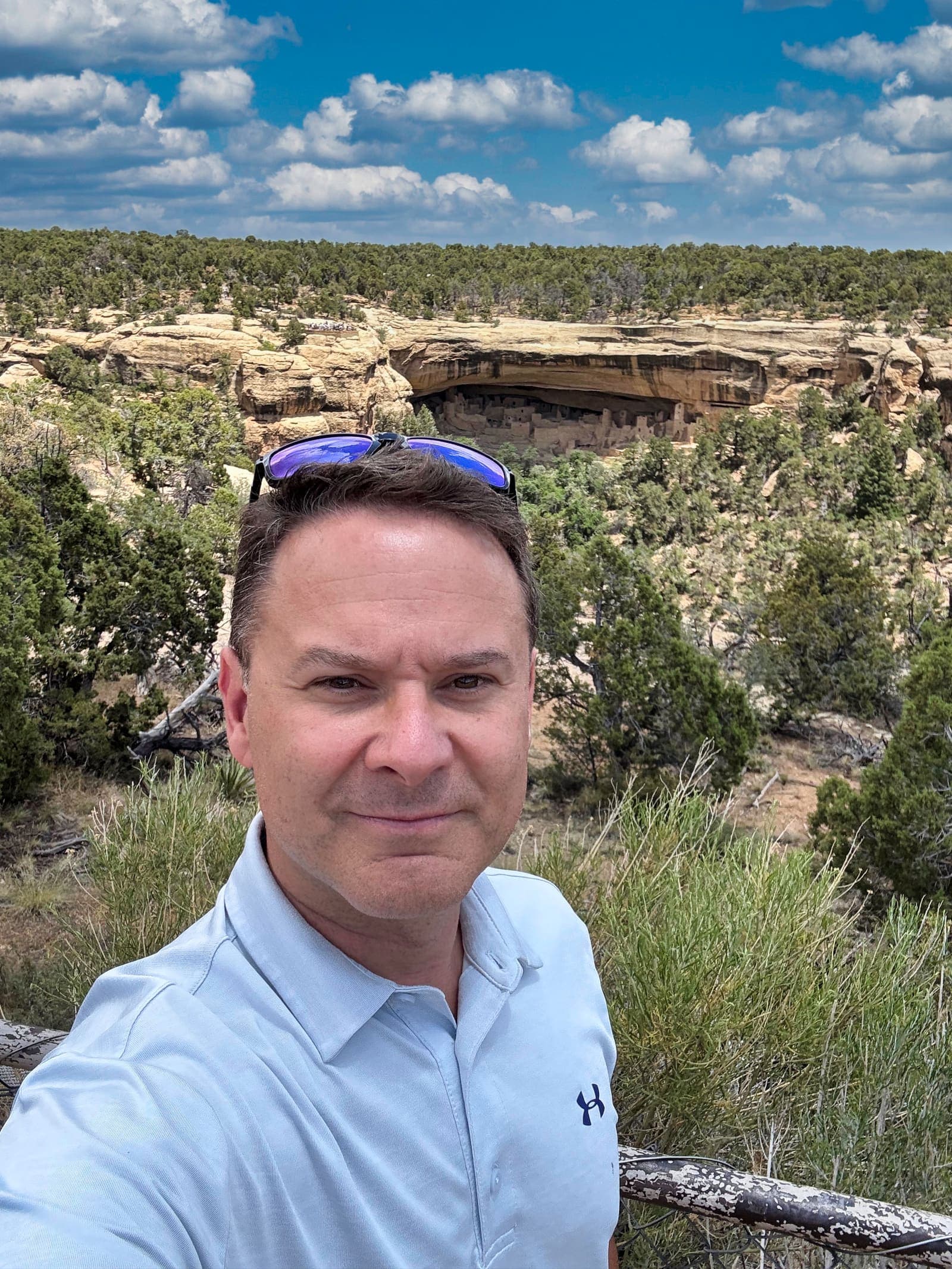
You got into leadership because you saw something that could be better... and you wanted to build it.
Somewhere along the way, the managing took over. The fires got louder. The inbox got heavier. The days got shorter. And the building stopped.
Not because you stopped caring. Because the old model never taught you how to build differently. It taught you how to hold things together by force. And force works... until you're too tired to keep forcing.
It's the shift from managing what's crumbling to building what lasts.
The Ancestral Puebloans didn't have better resources than you. They had a different approach. They built into the cliff, and they built it well.
You can make the same choice.
Build One Thing to Stand
Think about one area of your leadership where you've been managing instead of building.
One meeting. One process. One relationship. One system that only works when you're holding it together.
Now ask yourself:
What would it look like if I built this to stand on its own?
Not the quick fix. Not the workaround. Not the thing that gets you through this week.
The version that lasts.
Write it down. One shift. One area. This week.
Because leadership that endures is leadership built on purpose.
Mesa Verde is still standing.
About 800 years and counting.
What are you building?
You got the position.Nobody gave you the playbook.
If this note read like your team, High Impact Teams is where you install the playbook they can run when you're not in the room.
See High Impact Teams

Founder, Lead Differently
The Lead Differently movement. For leaders who got the position without the playbook. Built around how you're actually wired.